Health library
Diseases
Understand the most common and most serious conditions — from cardiovascular disease to infections, skin disorders, and cancers.
Recent articles
Dermatology
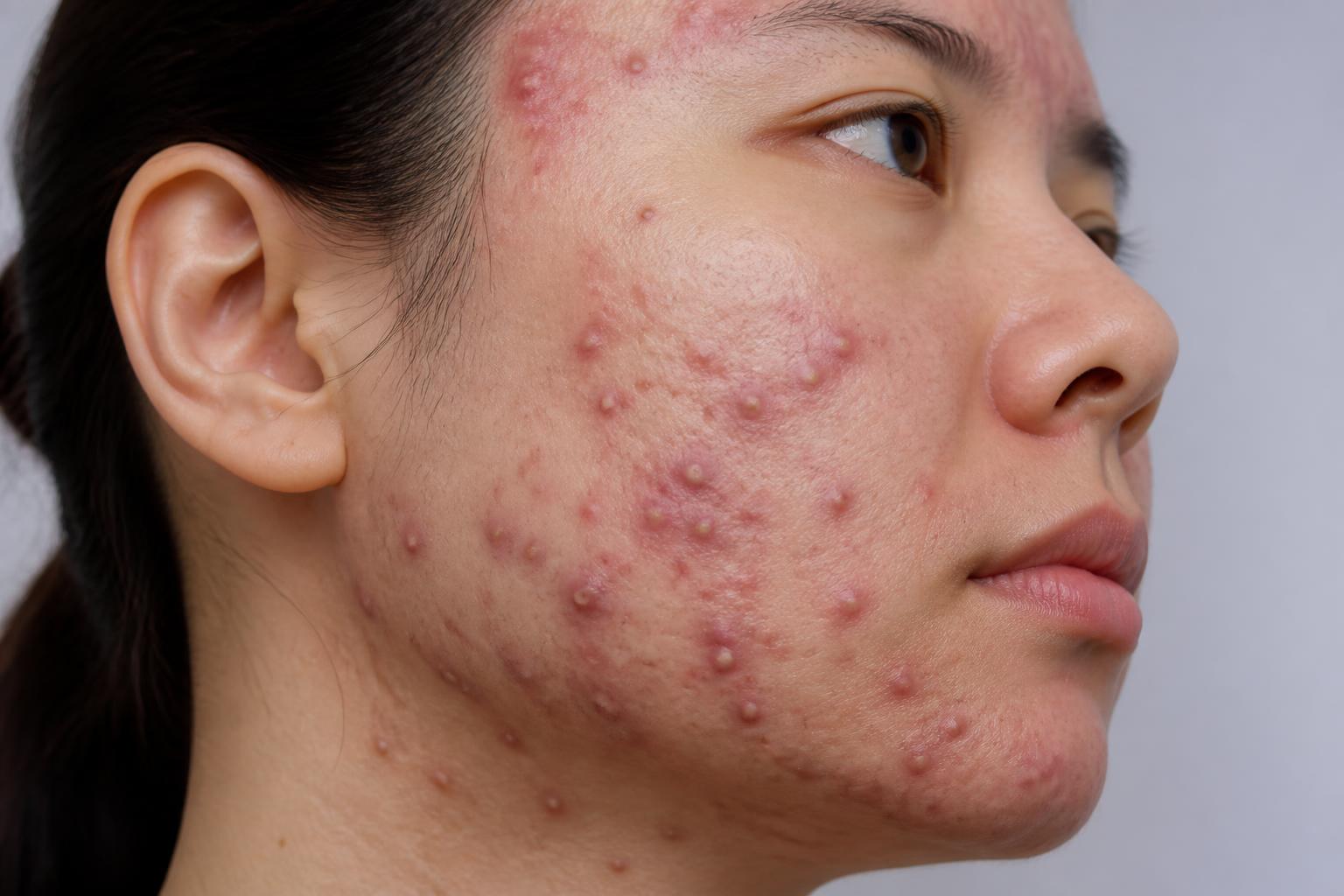
Adult Acne: Why It Persists and How to Treat It
Hormones, stress, diet: factors that perpetuate acne after 25 and validated dermatological approaches.
Dermatology
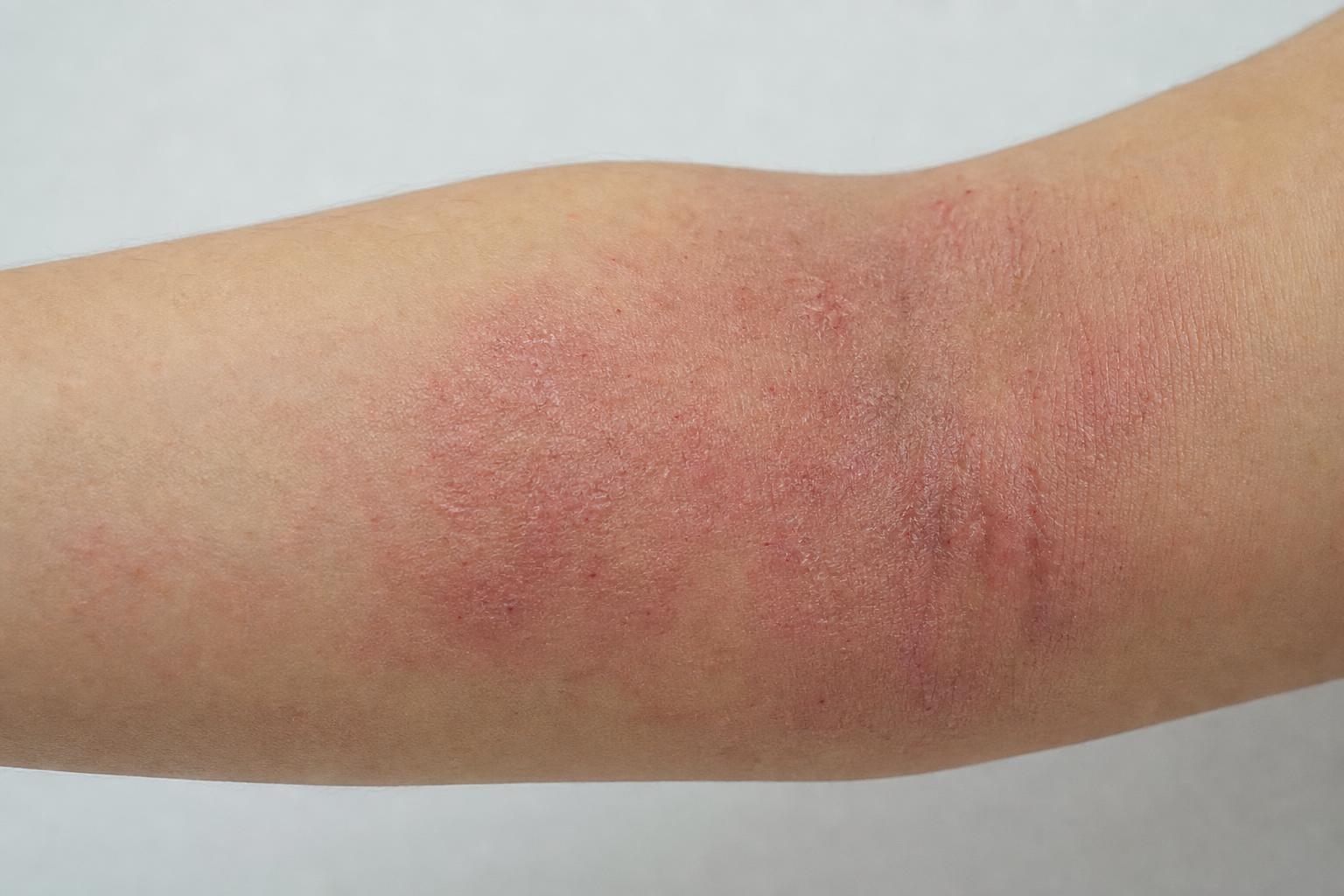
Atopic Eczema: Strategies to Soothe Flare-ups
Understand the mechanism of atopic dermatitis and adopt a skincare routine that reduces the frequency and intensity of flare-ups.
Dermatology
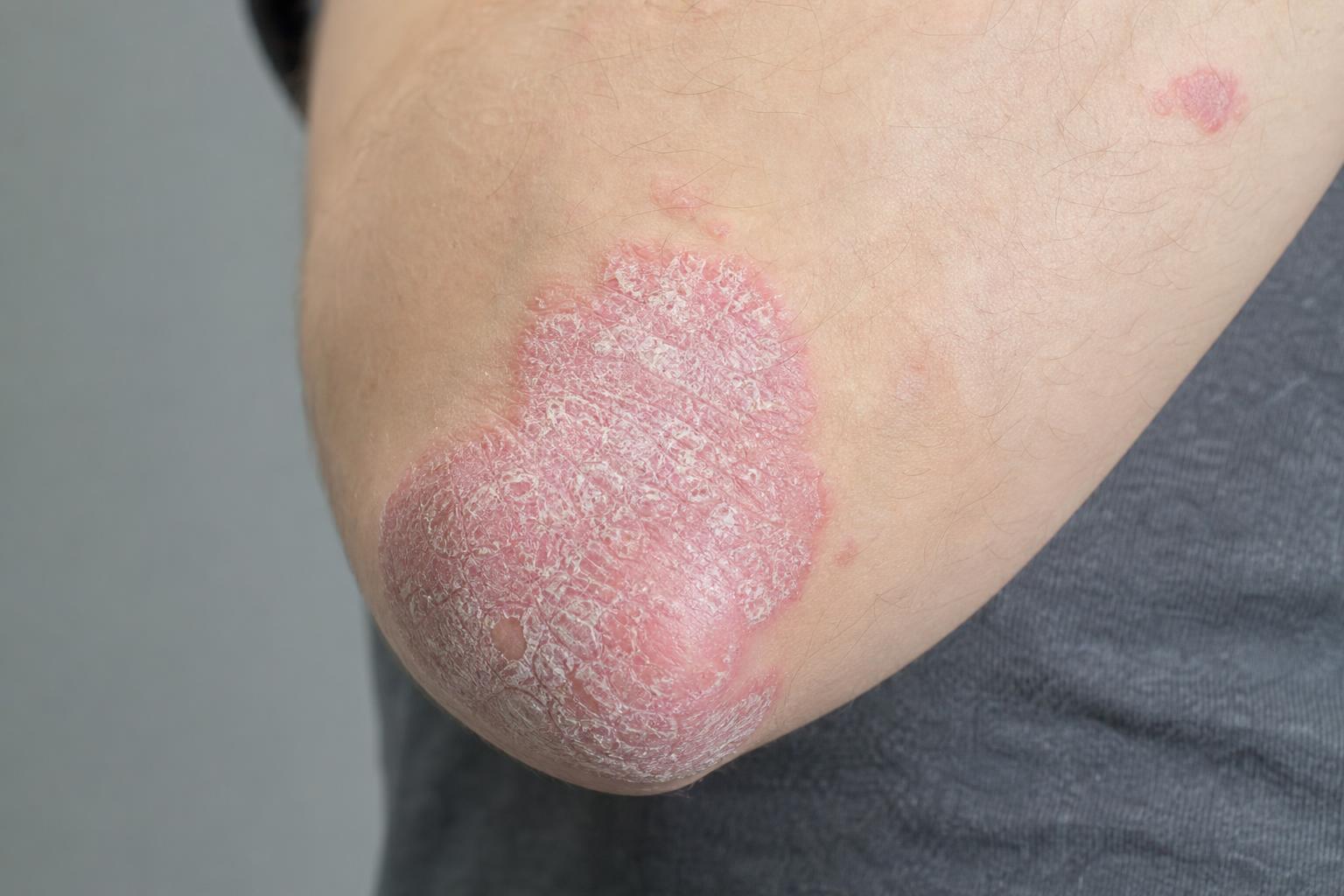
Psoriasis: Much More Than a Skin Problem
Psoriasis is a chronic autoimmune disease. Understanding its mechanisms helps to live better with it and choose the right treatments.

Dermatology
Sunscreen: Separating Fact from Fiction
The sun is essential but dangerous in excess. An overview of evidence-based dermatological recommendations.
Dermatology
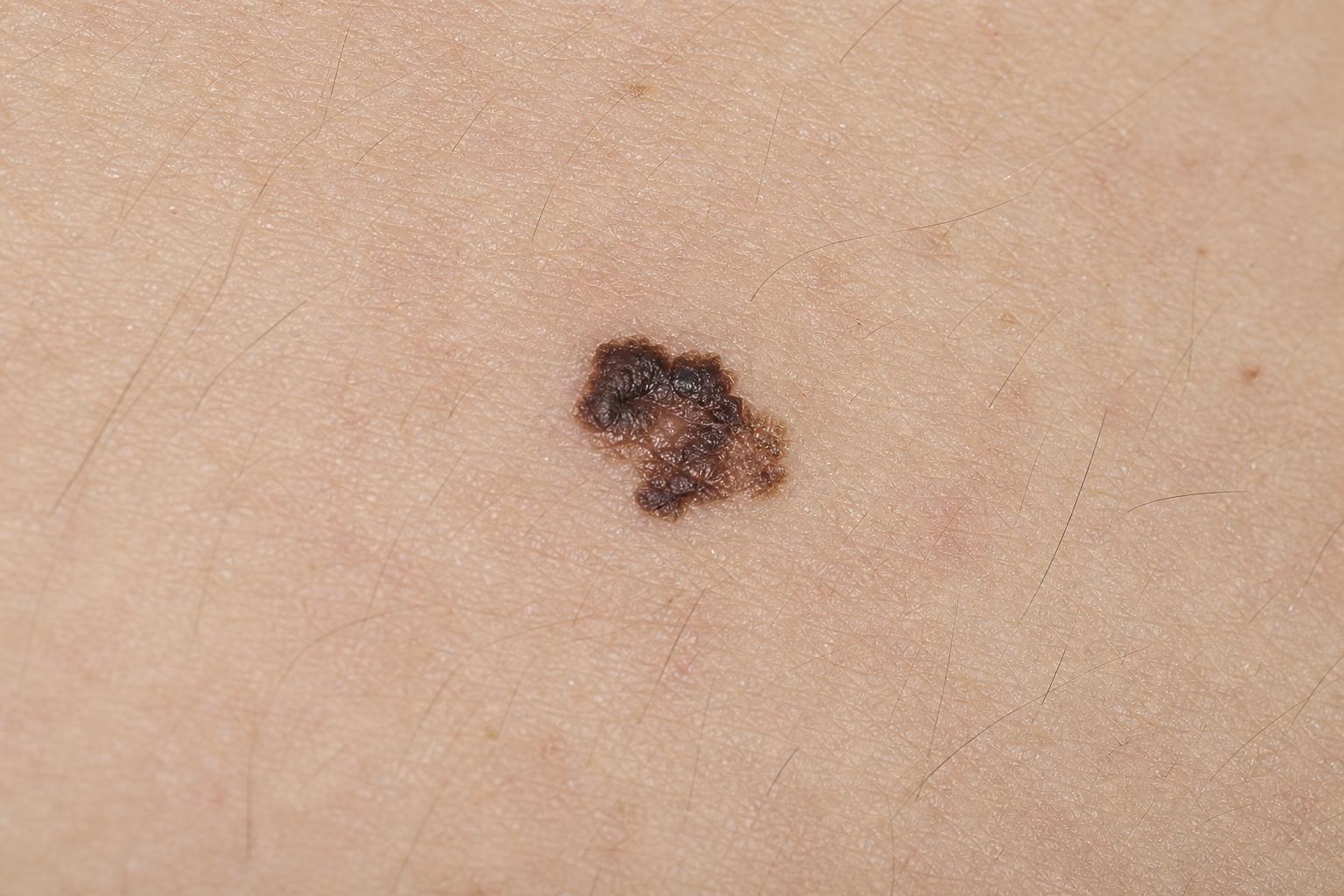
Melanoma: Warning Signs to Know
The ABCDE rule helps identify suspicious moles. Melanoma detected early has a survival rate of over 95%.
Dermatology
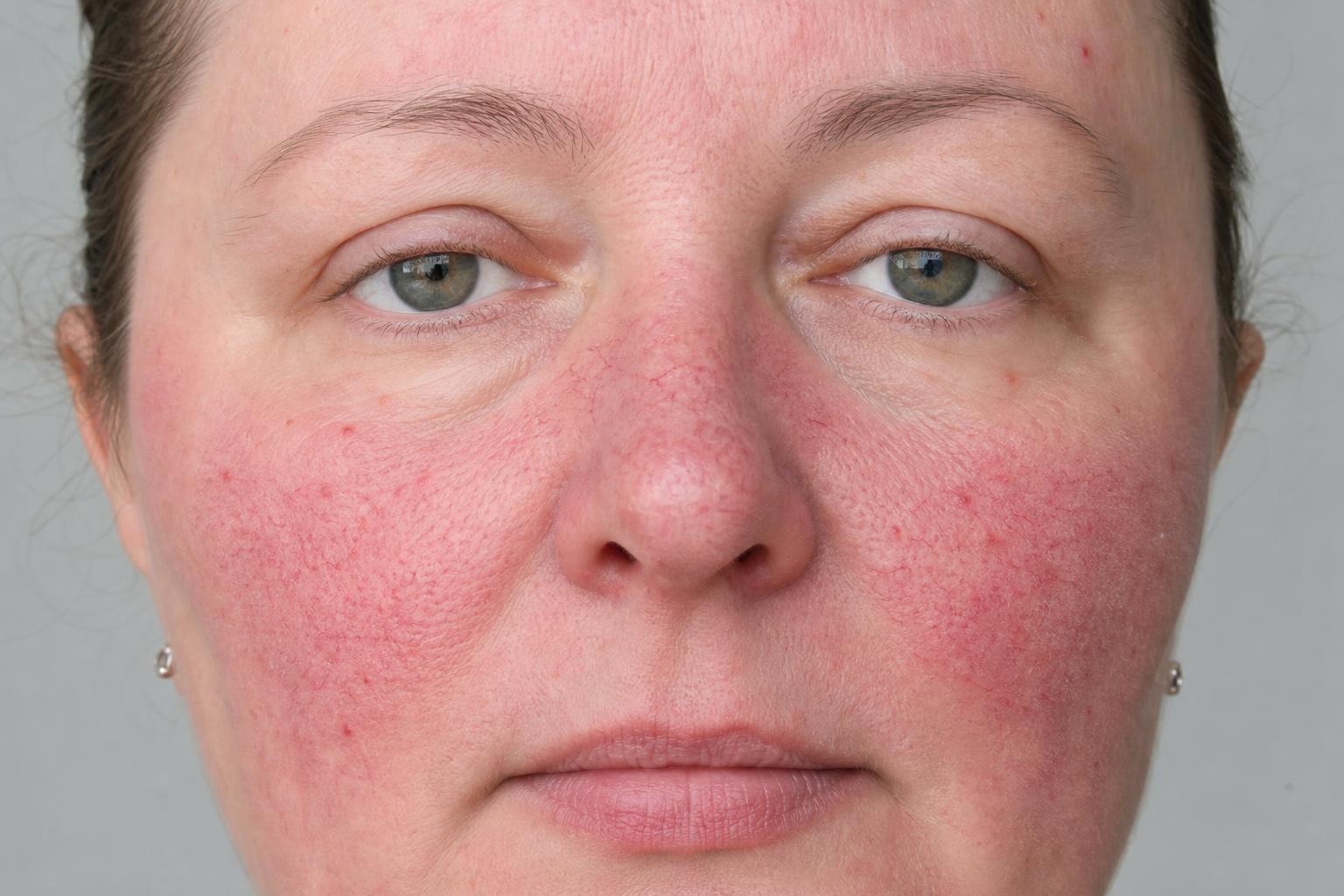
Rosacea: Understanding and Treating Facial Redness
Rosacea affects 5% of adults. Identifying its triggers and suitable treatments can help achieve a soothed complexion.

Dermatology
Hair Loss: When Should You Worry?
Androgenetic alopecia, telogen effluvium, iron deficiency: identify the cause to choose the right treatment.

Dermatology
Warts: How to Get Rid of Them Effectively
Caused by the human papillomavirus, warts affect one in three children. Overview of available treatments.

Cardiology
High Blood Pressure: The Silent Killer
Hypertension often causes no symptoms but significantly increases the risk of stroke and heart attack. How to detect and control it.
Cardiology
Cholesterol: Should We Really Demonize It?
Cholesterol is essential for life. But when LDL accumulates in the arteries, cardiovascular risk increases.

Cardiology
Heart Attack: Recognize Symptoms and Act Quickly
Typical chest pain is not the only sign. In women, symptoms are often atypical. Knowing how to recognize them saves lives.
Cardiology
Heart Arrhythmias and Palpitations: When to Worry?
Extrasystoles are benign in most cases. But some arrhythmias require urgent management.
Cardiology
Heart Failure: Signs Not to Ignore
Shortness of breath on exertion, swollen ankles, disproportionate fatigue: heart failure affects over a million French people.

Cardiology
Stroke: Preventing the First Incident
High blood pressure, atrial fibrillation, smoking: risk factors are known and modifiable in the vast majority of cases.

Allergies & Immunity
Allergic Rhinitis: Putting an End to a Runny Nose
Allergic rhinitis affects 20 to 30% of the population. From antihistamines to desensitization treatments, solutions exist.

Allergies & Immunity
Food Allergies: Distinguishing Fact from Fiction
True IgE-mediated food allergies affect 3 to 6% of children and 2% of adults. Knowing how to identify them can save lives.

Allergies & Immunity
Allergic Asthma: The Keys to Good Control
Asthma affects 4 million French people. With appropriate maintenance treatment and allergen avoidance, control is possible.
Allergies & Immunity
Chronic Hives: When the Welts Won't Go Away
Chronic spontaneous urticaria affects 1% of the population. Rarely allergic, it requires specific treatment.

Allergies & Immunity
Boosting Your Immune System: What Really Works
Sleep, exercise, varied diet: the pillars of solid immunity, validated by research.

Digestive Health
Gut Microbiota: Your Second Brain
The gut microbiota regulates digestion, immunity, and even mood. Understanding its function to take care of it.
Digestive Health
Gastroesophageal Reflux: Soothing Heartburn
GERD affects 10 to 20% of adults. Postural measures, diet, and medication to regain comfort.
Digestive Health
Irritable Bowel Syndrome: Learning to Live with It
IBS affects 10 to 15% of the population. No organic lesion, but very real symptoms. The FODMAP diet and mind-body approaches are game-changers.
Digestive Health
Lactose intolerance: should you cut out all dairy products?
Lactose intolerance is dose-dependent. Most intolerant people can consume moderate amounts of dairy without symptoms.
Digestive Health
Celiac disease vs. gluten sensitivity: two different realities
Celiac disease is a serious autoimmune disease that requires a strict lifelong gluten-free diet. Non-celiac sensitivity is less understood.

Conditions
Type 2 Diabetes: 7 Actions to Reduce Your Risk by 58%
The DPP study showed: an active lifestyle and modest weight loss reduce the risk of type 2 diabetes by 58%, compared to 31% for metformin.

Conditions
Migraine: Much More Than Just a Headache
Migraine affects 12% of the adult population and remains the leading cause of disability among 15-49 year olds.

Conditions
Thyroid: Hypothyroidism and Hyperthyroidism Explained
Thyroid dysfunctions affect 10% of the population, with a female predominance. Symptoms, diagnosis, and treatments.
Neurology
Migraine: Understanding and Managing Attacks
Migraines affect about 12% of adults. Identifying triggers and using the right treatment shortens crises.
Neurology
Epilepsy: Living With the Disorder
About 1% of the population has epilepsy. Two thirds achieve seizure freedom with appropriate medication.
Neurology
Alzheimer's Disease: Recognising Early Signs
Early detection enables better planning and access to therapies that may slow decline.
Neurology
Parkinson's Disease: Beyond the Tremor
Parkinson's is a multi-system disorder where dopamine loss affects far more than motor function.
Neurology
Stroke: Recognise It, Act Within the Hour
Stroke is the second cause of death worldwide. The FAST acronym helps anyone identify a stroke quickly.
Neurology
Multiple Sclerosis: A Disease of the Young Adult
MS commonly starts between 20 and 40. Modern disease-modifying therapies have transformed the prognosis.
Pulmonology
Asthma: Day-to-Day Control
Asthma affects 260 million people. Reliever inhalers alone are no longer the standard for mild disease.
Pulmonology
COPD: A Silent and Underdiagnosed Disease
Chronic obstructive pulmonary disease kills 3 million people yearly and remains widely underdiagnosed.
Pulmonology
Pneumonia: When to Worry
Community-acquired pneumonia remains a leading cause of hospitalization. Recognising warning signs saves lives.
Pulmonology
Sleep Apnea: A Diagnosis Often Missed
Obstructive sleep apnea affects roughly 1 billion adults worldwide and powerfully raises cardiovascular risk.
Diabetes & Endocrinology
Type 1 Diabetes: A Lifelong Autoimmune Disease
Type 1 diabetes accounts for 5-10% of all diabetes and most often appears in children and young adults.
Diabetes & Endocrinology
Type 2 Diabetes: Prevention Is Possible
Type 2 diabetes affects over 460 million adults. Modest weight loss reduces incidence by more than half.
Diabetes & Endocrinology
Hypothyroidism: Common, Treatable, Often Missed
An underactive thyroid affects 1-5% of adults. Symptoms are subtle, but treatment is simple and effective.
Diabetes & Endocrinology
Hyperthyroidism: When the Thyroid Races
Graves' disease is the most common cause of an overactive thyroid in adults under 50.
Diabetes & Endocrinology
Polycystic Ovary Syndrome: Far More Than Cysts
PCOS combines irregular periods, hyperandrogenism and metabolic features. Early diagnosis improves long-term outcomes.
Diabetes & Endocrinology
Cushing's Syndrome: Recognising Chronic Cortisol Excess
Cushing's syndrome is rare but its features overlap with common conditions, delaying diagnosis by years.

Cancer & Oncology
Breast Cancer: The Value of Early Detection
Breast cancer is the most common cancer in women worldwide. Early-stage disease has excellent cure rates.
Cancer & Oncology
Colorectal Cancer: Highly Preventable
Colorectal cancer is the third most common cancer worldwide. Removing precancerous polyps prevents most cases.
Cancer & Oncology
Lung Cancer: Symptoms Often Appear Late
Lung cancer remains the leading cause of cancer death globally. Earlier diagnosis dramatically changes survival.

Cancer & Oncology
Prostate Cancer: A Personalized Approach to Screening
Prostate cancer is the most diagnosed cancer in men. Many cases are slow-growing and may not need immediate treatment.
Cancer & Oncology
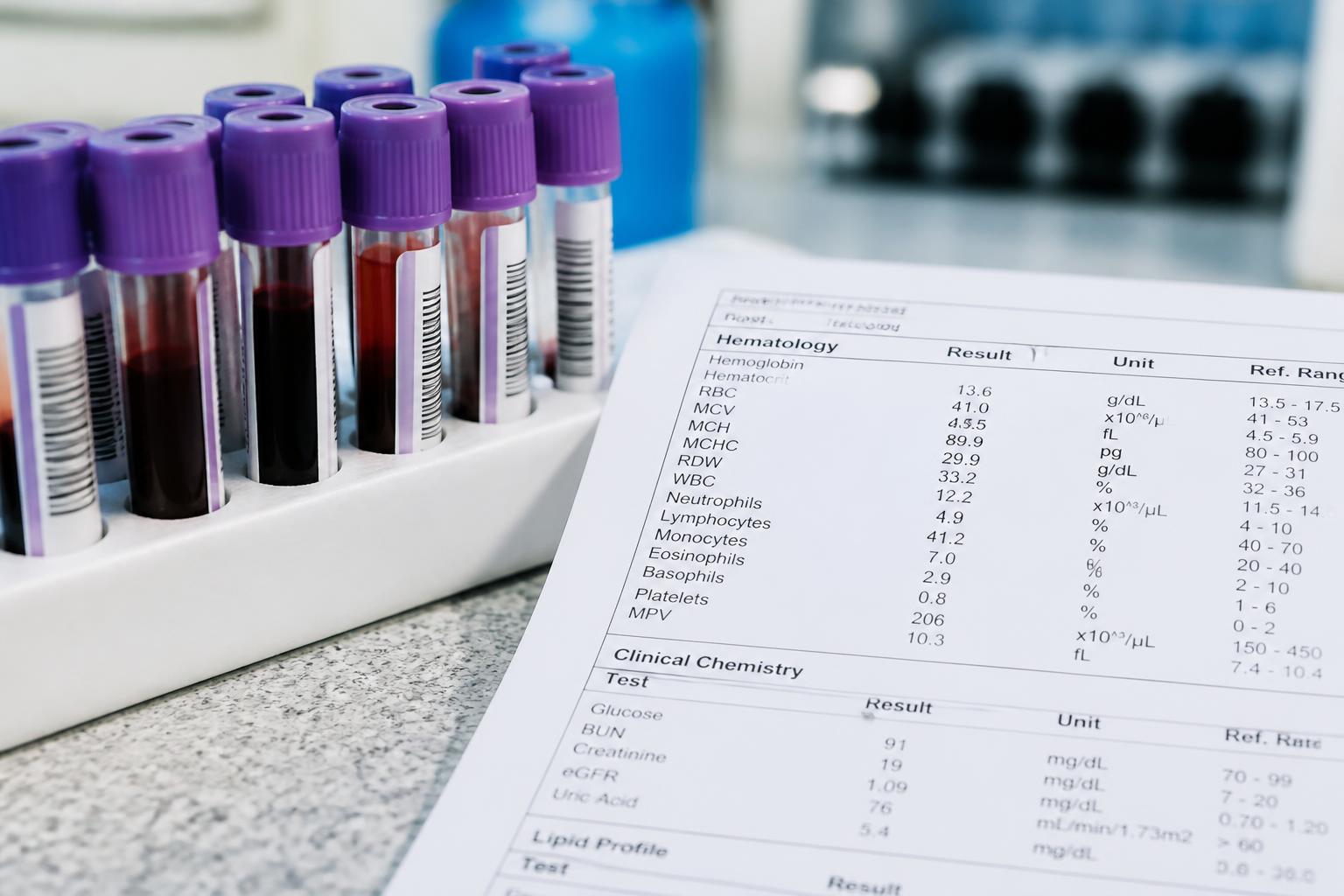
Melanoma: Detecting Suspicious Moles Early
Melanoma is the deadliest skin cancer, but caught early it is nearly always curable.
Cancer & Oncology
Leukemia: Understanding the Main Forms
Leukemia is not one disease but a family of cancers of blood-forming cells, each with its own approach.
Cancer & Oncology
Lymphoma: Hodgkin and Non-Hodgkin
Lymphomas are highly heterogeneous. Many subtypes have excellent cure rates with modern therapy.
Digestive Health
Crohn's Disease: Living With Chronic Inflammation
Crohn's disease causes patchy inflammation anywhere in the digestive tract and follows a relapsing course.
Digestive Health
Ulcerative Colitis: Managing Flares and Remissions
UC differs from Crohn's: inflammation is continuous, superficial, and confined to the colon and rectum.
Digestive Health
GERD: When Reflux Becomes Disease
Gastroesophageal reflux disease affects 10-20% of adults in Western countries. Long-term acid suppression deserves regular reassessment.
Digestive Health
Gallstones: When Surgery Is Necessary
Gallstones affect 10-15% of adults in industrialized countries. Symptoms determine management.

Infectious Diseases
Hepatitis B: A Manageable Chronic Infection
Around 250 million people live with chronic hepatitis B. Modern antivirals suppress the virus indefinitely.
Infectious Diseases
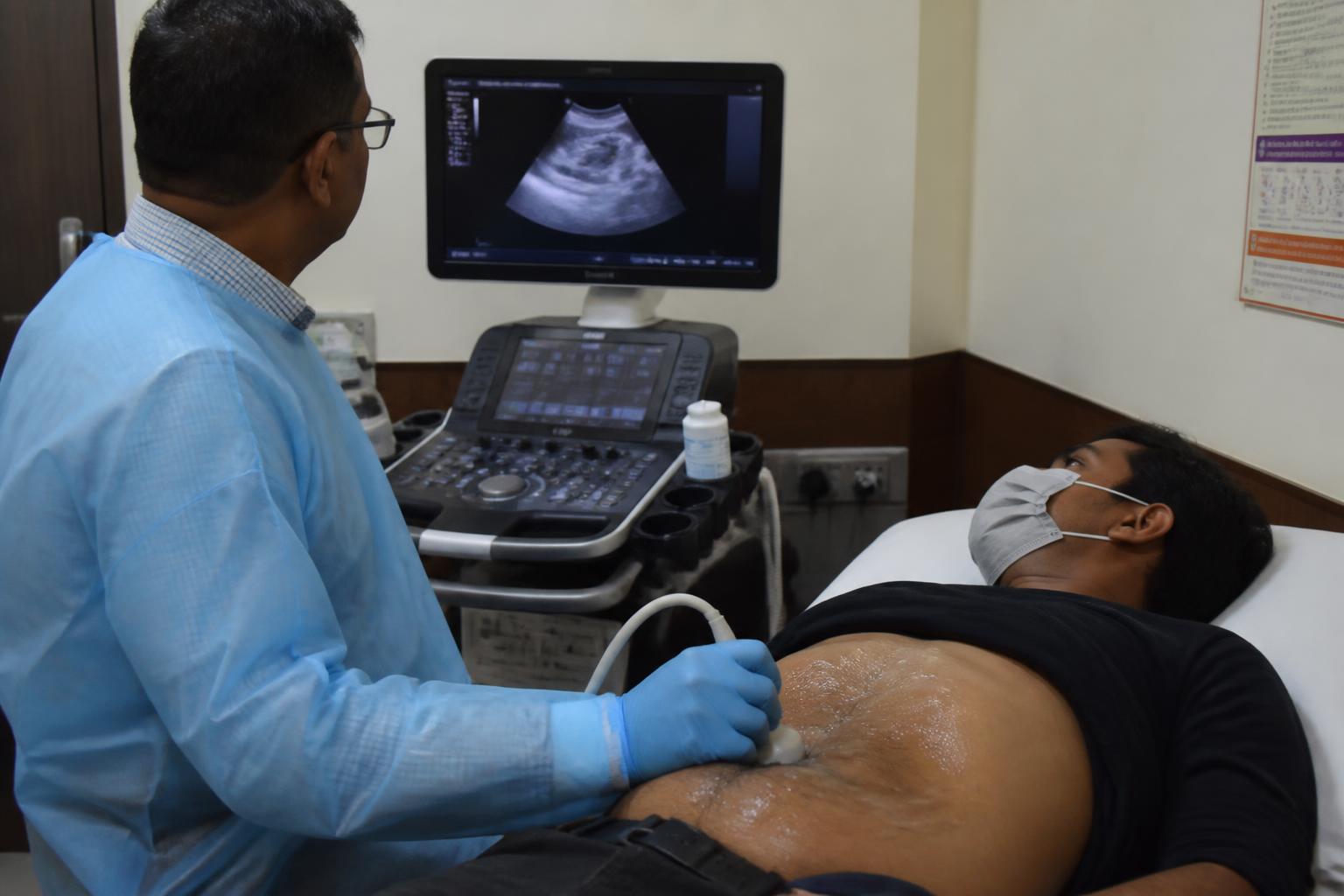
Hepatitis C: A Curable Disease Today
Hepatitis C used to mean lifelong chronic liver disease. Modern 8-12 week regimens cure nearly all infections.
Digestive Health
Fatty Liver Disease: The Silent Epidemic
Non-alcoholic fatty liver disease is now the most common chronic liver disease worldwide, driven by metabolic syndrome.
Infectious Diseases
Recurrent Urinary Tract Infections in Women
Half of women experience at least one UTI; 25% develop recurrences. Several non-antibiotic measures reduce recurrence.
Cardiology
Atrial Fibrillation: A Common but Risky Rhythm
Atrial fibrillation increases stroke risk fivefold. Diagnosis and rhythm management have advanced rapidly.

Cardiology
Heart Failure: Modern Therapy Has Transformed Prognosis
Heart failure affects more than 60 million people worldwide. Today's medications work better than they did a decade ago.

Allergies & Immunity
Lupus: A Disease of Many Faces
Systemic lupus erythematosus mimics many other diseases. Early recognition matters for organ protection.
Allergies & Immunity
Rheumatoid Arthritis: Early Treatment Saves Joints
Rheumatoid arthritis is an autoimmune joint disease where rapid, intensive treatment dramatically alters long-term outcomes.
Infectious Diseases
Seasonal Influenza: More Than a Bad Cold
Influenza causes 3-5 million severe cases globally each year and remains underestimated by the public.

Infectious Diseases
Long COVID: A Recognised Multisystem Syndrome
Long COVID affects an estimated 10-20% of infected adults. Symptoms vary widely and management is supportive.
Infectious Diseases
Infectious Mononucleosis: The 'Kissing Disease'
Epstein-Barr virus causes a self-limited illness most common in adolescents and young adults.
Infectious Diseases
Lyme Disease: Tick Bites Demand Attention
Lyme disease, transmitted by Ixodes ticks, is now endemic across temperate regions. Awareness is the best protection.
Infectious Diseases
Shingles: Vaccination Can Prevent It
Shingles results from varicella reactivation. Modern vaccination prevents most cases and complications in older adults.

Allergies & Immunity
Chronic Urticaria: Hives That Won't Stop
Chronic spontaneous urticaria persists more than 6 weeks. It is usually not allergic — and is highly treatable.
Allergies & Immunity
Allergic Rhinitis: More Than a Nuisance
Allergic rhinitis affects 10-30% of adults. Untreated, it impairs daytime performance more than most realise.
Allergies & Immunity
Peanut Allergy: A Lifelong Threat to Take Seriously
Peanut allergy affects 1-2% of children in Western countries. Two adrenaline injectors should be available at all times.
Allergies & Immunity
Anaphylaxis: Recognise It, Inject Adrenaline
Anaphylaxis is a rapidly evolving multi-system allergic reaction. Adrenaline is the only treatment that saves lives.
Infectious Diseases
Fever in Adults: When to Worry
Fever is a defence mechanism, not a disease. Knowing when it warrants urgent care is essential.
Pulmonology
Persistent Cough: A Symptom Worth Investigating
Persistent cough has many causes. A systematic approach narrows them down quickly.
Cardiology
Chest Pain: Recognising the Warning Signs
Chest pain is among the most anxiety-provoking symptoms. Quick triage saves lives without overwhelming hospitals.

Conditions
Chronic Fatigue: A Symptom That Deserves a Workup
Fatigue is one of the most common reasons for medical consultation. A structured approach finds the cause in most cases.
Digestive Health
Bloating: A Common but Manageable Symptom
Bloating affects up to 30% of adults. Simple, evidence-based steps often bring relief.
Digestive Health
Acute Gastroenteritis: Rehydrate and Recover
Most acute gastroenteritis is viral, self-limited, and managed with oral rehydration.
Digestive Health
Peptic Ulcer: H. pylori and NSAIDs
Most peptic ulcers are caused by Helicobacter pylori infection or chronic NSAID use.
Infectious Diseases
Hepatitis B: Chronic Liver Threat
Hepatitis B can silently progress to cirrhosis and liver cancer decades after infection.
Infectious Diseases
Hepatitis C: Now Curable
Direct-acting antivirals cure more than 95% of hepatitis C infections in 8-12 weeks.
Infectious Diseases
Tuberculosis: Recognizing a Reemerging Disease
Persistent cough, night sweats, and weight loss should prompt tuberculosis testing.
Infectious Diseases
HIV: From Fatal Infection to Chronic Disease
Modern antiretroviral therapy allows near-normal life expectancy and prevents transmission.
Infectious Diseases
Mononucleosis: The Kissing Disease
Extreme fatigue, sore throat, and swollen glands in teens or young adults suggest mononucleosis.
Infectious Diseases
Seasonal Flu: Vaccinate the Right People
Annual flu vaccination reduces hospitalisation, especially for older adults and pregnant women.
Infectious Diseases
Long COVID: Persistent Post-Viral Symptoms
Fatigue, brain fog, and exercise intolerance can last months after acute COVID-19.
Infectious Diseases
Shingles: Vaccinate Adults Over 50
Post-herpetic neuralgia can persist for months. The recombinant zoster vaccine is 90% effective.
Conditions
Osteoarthritis: Movement Is Medicine
Regular low-impact exercise, weight management, and physiotherapy remain first-line therapy.
Conditions
Rheumatoid Arthritis: Early Treatment Matters
Symmetric morning joint stiffness lasting > 30 minutes needs early rheumatology referral.
Conditions
Systemic Lupus: A Chameleon Disease
Lupus mimics many diseases; fatigue, arthralgia, malar rash, and cytopenias suggest it.

Diabetes & Endocrinology
Osteoporosis: Prevent the First Fracture
Bone density testing after 65 (women) or 70 (men), earlier with risk factors.
Conditions
Gout: More Than a Rich Man's Disease
Sudden overnight pain in the big toe with intense redness is the classic gout attack.
Conditions
Iron-Deficiency Anemia: Find the Bleed
Iron deficiency in men or post-menopausal women warrants gastrointestinal investigation.
Conditions
Chronic Kidney Disease: Slow the Progression
Diabetes and hypertension cause most CKD; controlling both slows kidney decline.
Conditions
Kidney Stones: Hydration First
Drinking 2.5-3 L of water daily halves the recurrence rate of kidney stones.
Infectious Diseases
Recurrent UTIs in Women: Break the Cycle
Post-coital voiding, hydration, and vaginal estrogens after menopause reduce recurrences.
Conditions
Fibromyalgia: A Real Chronic Pain Disorder
Fibromyalgia is a central pain sensitization disorder, not a psychological complaint.
Neurology
Restless Legs Syndrome: Iron and Dopamine
Urge to move the legs at rest, worse in the evening, is the RLS hallmark.
Conditions
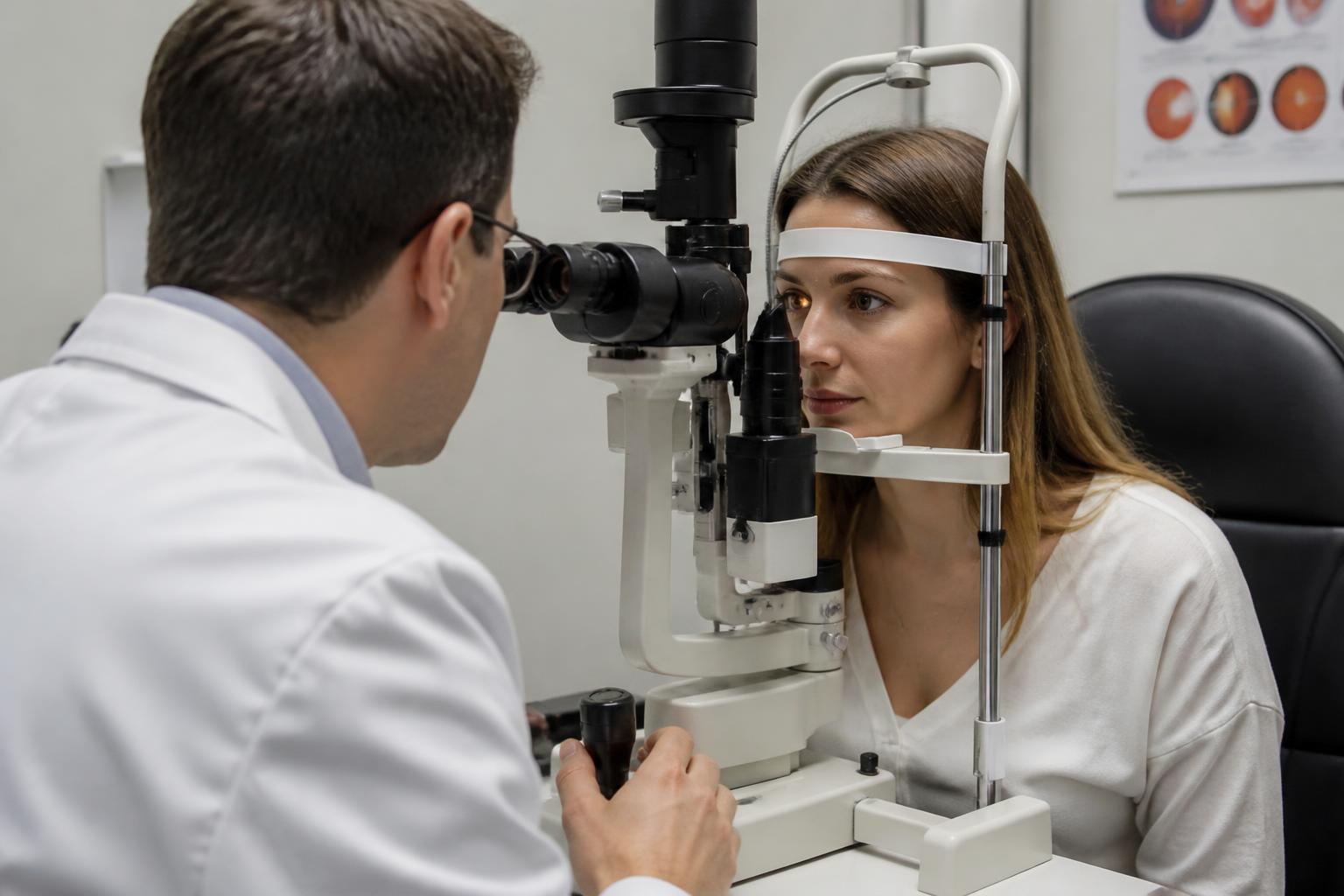
Glaucoma: The Silent Thief of Sight
Glaucoma damages the optic nerve without symptoms until visual loss is irreversible.
Conditions
Age-Related Macular Degeneration
AMD is the leading cause of central vision loss after 60; treatments exist for the wet form.
Infectious Diseases
Acute Otitis Media in Children: Wait and See?
Many acute middle-ear infections resolve without antibiotics; watchful waiting is often appropriate.
Pulmonology
Sinusitis: Viral, Bacterial, or Chronic?
Most acute sinusitis is viral; antibiotics are needed only when symptoms persist beyond 10 days or worsen.
Pulmonology
Bronchitis: Acute and Chronic Distinguished
Acute bronchitis is almost always viral; antibiotics do not shorten its course.
Infectious Diseases
Seasonal Flu: Symptoms, Complications, and Prevention
Sudden fever, body aches, intense fatigue: seasonal flu is not a simple cold. Discover how to protect yourself effectively.
Infectious Diseases
Hepatitis B: A Silent Infection Affecting 296 Million People
Chronic hepatitis B often progresses without symptoms for years before revealing serious liver damage. Screening is crucial.
Infectious Diseases
Urinary Tract Infections: Why They Recur and How to Prevent Them
Burning during urination, frequent urges, pelvic pain: urinary tract infections primarily affect women. Here's how to understand and prevent them.
Infectious Diseases
Tuberculosis: The World's Deadliest Infectious Disease
Tuberculosis remains a global scourge despite the existence of effective treatment. Persistent cough, night sweats, weight loss: recognizing the signs can save lives.
Infectious Diseases
Long COVID: When Symptoms Persist Months After Infection
Debilitating fatigue, brain fog, shortness of breath: long COVID affects the quality of life of millions of people. What do we know today?
Infectious Diseases
STIs: Regular Screening, Your Best Protection
Chlamydia, gonorrhea, syphilis, HIV: sexually transmitted infections are on the rise. Regular screening is the key to a healthy sex life.
Neurology
Migraine: Much More Than Just a Headache
Pulsating pain, nausea, light sensitivity: migraine is a debilitating neurological disease. Therapeutic advances offer new hope.
Neurology
Alzheimer's Disease: Recognizing Early Signs and Acting Soon
Recent memory loss, disorientation, language difficulties: the first signs of Alzheimer's are often confused with normal aging.
Neurology
Epilepsy: Living with the Disease and Controlling Seizures
Epilepsy is not a fatality. With appropriate treatment, 70% of patients can control their seizures and lead a normal life.
Neurology
Parkinson's Disease: Beyond the Tremor
Tremors, slow movements, stiffness: Parkinson's disease goes far beyond these motor symptoms. Understand to live better with it.
Neurology
Stroke: Every Minute Counts to Save the Brain
Falling face, weak arm, difficulty speaking: recognizing the signs of a stroke and calling 911 immediately can save lives and limit sequelae.
Diabetes & Endocrinology
Type 2 Diabetes: Preventing and Managing the Disease of the Century
Type 2 diabetes is often linked to lifestyle. Simple changes can prevent its onset or significantly improve its control.
Diabetes & Endocrinology
Type 1 Diabetes: Living with Insulin Daily
Type 1 diabetes requires lifelong insulin injections. Insulin pumps and continuous glucose monitors are transforming patients' lives.
Diabetes & Endocrinology
Thyroid Disorders: When the Butterfly Gland Goes Awry
Fatigue, weight gain, nervousness, palpitations: thyroid disorders are common but often unrecognized. A simple blood test can reveal everything.

Diabetes & Endocrinology
Obesity: A Complex Chronic Disease, Not a Lack of Willpower
Obesity is a multifactorial disease involving genetics, environment, and neurobiology. New drug treatments are changing the game.
Pulmonology
Asthma: Understanding Your Lungs to Breathe Better
Shortness of breath, wheezing, chest tightness: asthma is a chronic disease that can be well controlled with the right treatment.
Pulmonology
COPD: The Silent Disease of Smokers
Progressive shortness of breath, chronic cough, sputum: COPD slowly destroys the lungs. Smoking cessation is the only treatment that slows the disease.
Pulmonology
Pneumonia: The Lung Infection That Still Kills Too Many
Fever, productive cough, chest pain, breathing difficulties: pneumonia requires rapid diagnosis and treatment.
Pulmonology
Sleep Apnea: The Silent Disorder That Tires Your Heart
Snoring, nocturnal breathing pauses, daytime sleepiness: sleep apnea increases cardiovascular risk if left untreated.
Cancer & Oncology
Breast Cancer: Early Detection Saves Lives
With 2.3 million new cases per year, breast cancer is the most diagnosed worldwide. Detected early, the 5-year survival rate exceeds 90%.
Cancer & Oncology
Lung Cancer: Not Just a Smoker's Disease
Lung cancer kills more than colon, breast, and prostate cancers combined. CT screening and new therapies are changing the prognosis.
Cancer & Oncology
Colorectal Cancer: Why Screening from Age 50 is Vital
Colon cancer develops slowly from benign polyps. Detected and removed in time, the majority of colorectal cancers can be prevented.
Cancer & Oncology
Leukemia: Understanding Blood Cancers
Unexplained fatigue, frequent infections, easy bruising: leukemias are blood cell cancers whose prognosis has significantly improved.
Cancer & Oncology
Prostate Cancer: The Most Common Male Cancer
Prostate cancer often progresses slowly. Active surveillance, surgery, and new hormonal therapies offer excellent results.
Conditions
High Blood Pressure: The Silent Killer You Must Control
Hypertension usually causes no symptoms but silently damages the heart, brain, and kidneys. Regular measurement is vital.
Neurology
Multiple Sclerosis: Living with an Autoimmune Brain Disease
Vision problems, numbness, fatigue: multiple sclerosis often strikes between 20 and 40 years old. Current treatments can slow its progression.
Neurology
Chronic Migraine: Recognizing Triggers and Effective Solutions
Understanding the mechanisms of migraine and the preventive and curative treatments available today.
Diabetes & Endocrinology
Hashimoto's Thyroiditis: The Most Common Autoimmune Disease
Fatigue, weight gain, cold intolerance: recognizing the signs and finding the right levothyroxine dosage.
Digestive Health
Gastroesophageal Reflux: Extinguishing Heartburn Permanently
Lifestyle, PPIs, anti-reflux surgery: adapting the solution to the severity of reflux.
Dermatology
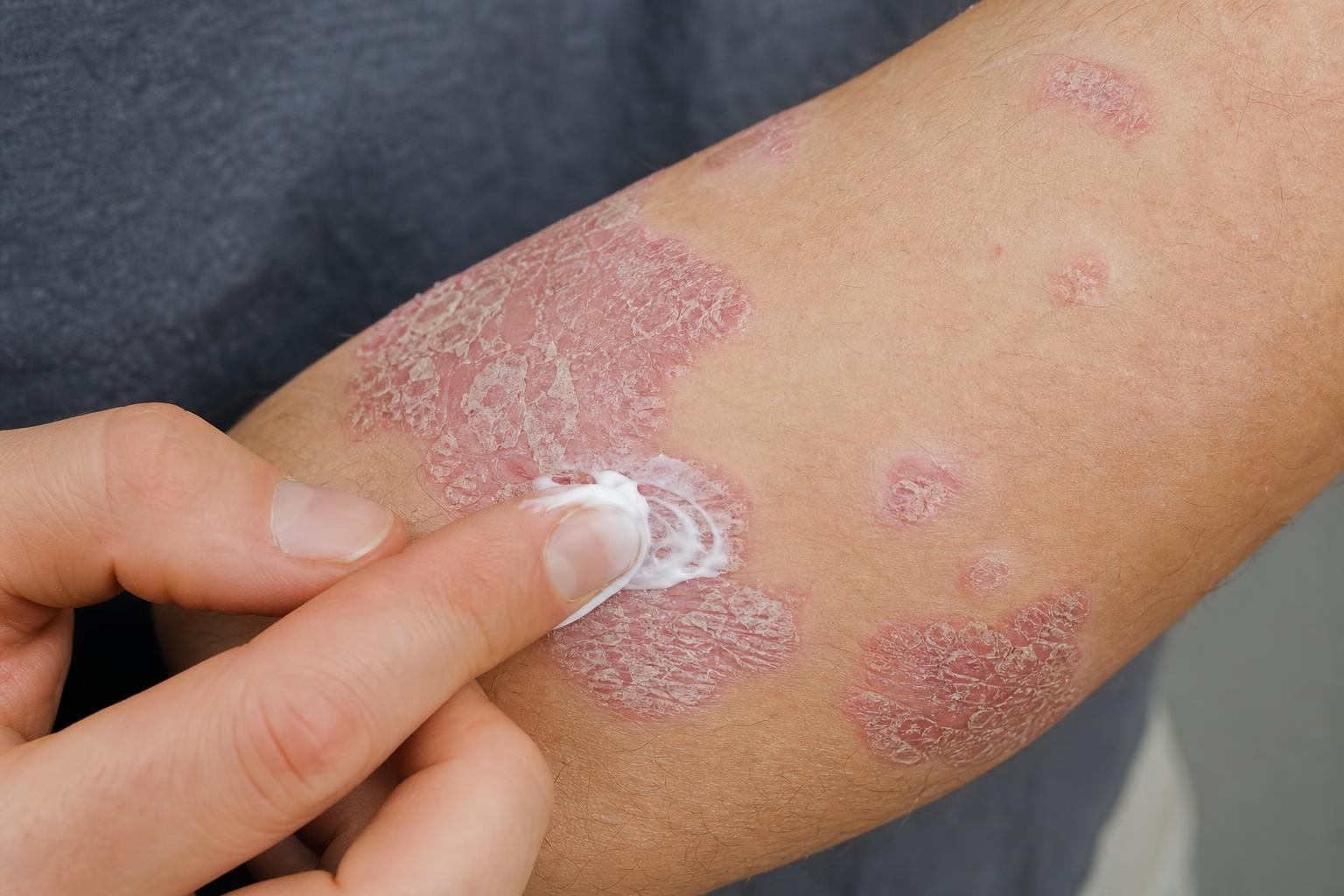
Psoriasis: Solutions That Change Patients' Lives
Creams, phototherapy, biologics: psoriasis now has very effective treatments.
Pulmonology
Asthma: keys to optimal long-term control
Bronchodilators, inhaled corticosteroids, biotherapies: adapting treatment to breathe freely.
Conditions
Systemic lupus erythematosus: understanding this autoimmune disease
Fatigue, joint pain, butterfly rash: recognizing lupus and adapting its management.
Digestive Health
Crohn's disease and UC: living with IBD
Diarrhea, pain, flares: understanding IBD and new biological treatments.
Neurology
Parkinson's disease: slowing progression
Levodopa, dopamine agonists, deep brain stimulation: an arsenal to preserve autonomy.

Neurology
Amyotrophic lateral sclerosis (ALS): Charcot's disease
Progressive weakness, muscle atrophy: ALS, its warning signs and management.
Pulmonology
Cystic fibrosis: the revolution of CFTR modulators
Kaftrio, respiratory physiotherapy, transplantation: life expectancy has doubled in 30 years.

Dermatology
Vitiligo: understanding skin depigmentation
Phototherapy, topical JAK inhibitors: novelties against vitiligo.
Infectious Diseases
Lyme disease: recognizing borreliosis in time
From early diagnosis to prevention of late forms, understanding Lyme disease.
Infectious Diseases
Hepatitis C: cure now possible
Screening, short-term DAA treatment: eliminating hepatitis C virus has become a reality.

Infectious Diseases
HIV: from lifelong treatment to PrEP prevention
Triple therapies, long-acting injections, PrEP: what's the fight against HIV like in 2026?
Neurology
Restless legs syndrome: no longer enduring your nights
Iron, dopamine agonists, gabapentin: relieving RLS.
Infectious Diseases
Long COVID: recognizing and supporting
Fatigue, brain fog, dyspnea: understanding and supporting long COVID.
Neurology
Alzheimer's disease: stages, diagnosis and new treatments
Early signs, biomarkers, lecanemab/donanemab: what's new against Alzheimer's in 2026.
Neurology
Migraine: the CGRP revolution
Erenumab, rimegepant, lasmiditan: a new arsenal for chronic migraine sufferers.
Cancer & Oncology
Pancreatic cancer: a diagnostic challenge
Warning signs, FOLFIRINOX chemotherapy, Whipple surgery: progress against a tough cancer.
Neurology
Huntington's disease: genetic and progressive
Chorea, cognitive decline, anticipated genetic testing: understanding Huntington.
Neurology
Myasthenia gravis: muscle fatigability
Pyridostigmine, immunosuppressants, complement inhibitors: modern treatment of myasthenia.
Pulmonology
Idiopathic pulmonary fibrosis (IPF)
Pirfenidone, nintedanib, transplant: slowing IPF progression.
Diabetes & Endocrinology
Addison's disease: adrenal insufficiency
Fatigue, skin pigmentation, hypotension: clues to suspect Addison's.
Diabetes & Endocrinology
Graves' disease: autoimmune hyperthyroidism
Antithyroid drugs, radioactive iodine, surgery: three options against Graves' disease.
Cardiology
Adult congenital heart disease
More and more adults live with congenital heart disease: organized specialized follow-up.
Digestive Health
Your gut microbiome, explained simply
What the gut flora does, what damages it and what genuinely rebuilds it.
Digestive Health
Lactose intolerance or milk allergy? Telling them apart
Bloating after milk is not the same as an allergic reaction, and the management differs completely.
Digestive Health
Heartburn and reflux: practical relief
Meal size, timing and sleeping position often matter more than the food itself.
Conditions
Measuring your blood pressure at home correctly
Cuff size, arm position and rest time change the reading more than you think.
Diabetes & Endocrinology
Preventing type 2 diabetes: the daily levers
Weight, movement, sleep and fibre together cut risk by more than half in people at risk.
Diabetes & Endocrinology
An underactive thyroid: symptoms that are easy to miss
Why hypothyroidism is often mistaken for stress or ageing, and how it is confirmed.
Pulmonology
Asthma: getting genuine day-to-day control
Needing your blue inhaler more than twice a week is a signal, not a routine.
Pulmonology
COPD: slowing the decline
Breathlessness that creeps up over years deserves a spirometry test, not resignation.
Neurology
Migraine: finding your triggers with a simple diary
Sleep changes, missed meals and hormonal timing show up more often than chocolate.
Infectious Diseases
Adult vaccination: the boosters people forget
Tetanus, flu, pneumococcus, shingles: who needs what and when.
Infectious Diseases
Antibiotics: when they help and when they do nothing
Taking antibiotics for a virus brings side effects without any benefit.
Allergies & Immunity
Seasonal allergies: cutting your exposure to pollen
Timing outdoor activity and rinsing pollen off changes how bad your season is.
Allergies & Immunity
Insect stings: normal reaction or emergency?
How to judge a sting, and who should carry an adrenaline pen.
Dermatology
Dry winter skin: a routine that actually repairs the barrier
Why moisturising within three minutes of washing makes the biggest difference.
Dermatology
Sunscreen: how to use it so it actually works
Quantity, reapplication and shade beat the SPF number on the bottle.
Pulmonology
Pulmonary hypertension: high pressure in the lung arteries
Why pressure rises between heart and lungs, the tests that confirm it, and today's treatments.
Conditions
Orthostatic hypotension: dizzy when you stand up
Why standing makes you light-headed, which medicines cause it, and simple measures that work.
Conditions
Varicose veins and heavy legs: chronic venous insufficiency
Why leg veins bulge, which symptoms matter, and what really helps from stockings to modern procedures.
Conditions
Deep vein thrombosis: a clot in the leg
How a DVT forms, who is at risk, how it is confirmed and treated, and how to avoid it after surgery or long trips.
Pulmonology
Pulmonary embolism: when a clot reaches the lungs
Recognising the symptoms, understanding the tests, and knowing what treatment and follow-up involve.
Conditions
Abdominal aortic aneurysm: the silent bulge
Who should be screened, why size decides treatment, and what repair involves.
Conditions
Peripheral artery disease: leg pain when you walk
Why calf pain appears after a fixed distance, how it is measured, and why walking is the best medicine.
Conditions
Heart valve disease: what a murmur really means
Aortic stenosis, mitral regurgitation and the rest, explained with symptoms, tests and repair options.
Conditions
Acute pericarditis: chest pain that eases when you lean forward
How to tell it from a heart attack, why the pain moves with position, and why treatment must be completed.
Conditions
Myocarditis: inflammation of the heart muscle
Signs that follow a simple infection, the tests that confirm it, and why rest from sport is essential.
Digestive Health
Acute pancreatitis: sudden severe abdominal pain
The two main causes, why the pain goes through to the back, and what hospital treatment involves.
Digestive Health
Stomach and duodenal ulcers: the bacterium behind the pain
How Helicobacter pylori and anti-inflammatory painkillers create ulcers, and how eradication works.
Digestive Health
Diverticulitis: when small pouches in the colon get infected
Why pouches form with age, how attacks are treated today, and what diet really changes.
Digestive Health
Haemorrhoids: bleeding and discomfort that people hide
What actually causes piles, which grade you have, and the treatments that work.
Digestive Health
Chronic constipation: more than not going every day
Definitions that make sense, causes to rule out, and a stepwise plan that works.
Digestive Health
Appendicitis: the pain that moves to the right
How the pain typically migrates, why children and older adults are harder to diagnose, and what surgery involves.
Digestive Health
Hiatal hernia: when part of the stomach slides up
How the diaphragm opening enlarges, why symptoms overlap with reflux, and when surgery is justified.
Digestive Health
Cirrhosis: scarring of the liver explained
The causes that still dominate, the complications to watch, and what can be reversed.
Infectious Diseases
Conjunctivitis: red eye, three very different causes
How to tell them apart, why antibiotic drops are usually unnecessary, and when redness is dangerous.
Infectious Diseases
Strep throat: which sore throats need antibiotics
How doctors distinguish strep from viral pharyngitis, and why treatment prevents rare complications.
Conditions
Raynaud's phenomenon: fingers that turn white in the cold
Primary versus secondary Raynaud's, the colour sequence, and how to prevent attacks.
Conditions
Scleroderma: when the skin and organs harden
Localised versus systemic forms, the early signs, and the treatments that changed the outlook.
Conditions
Sjogren syndrome: dry eyes and dry mouth that are not trivial
Why dryness deserves investigation, the complications to prevent, and daily management.
Pulmonology
Sarcoidosis: small clusters of inflammation, mostly in the lungs
Why granulomas form, how often it resolves alone, and when treatment is required.
Conditions
Wilson disease: copper that the liver cannot remove
Liver and neurological signs, the diagnostic clues, and lifelong treatment.
Infectious Diseases
Measles: far more than a childhood rash
The four stages of the illness, the complications people forget, and why vaccination coverage matters.
Infectious Diseases
Chickenpox: itchy spots, and why adults suffer more
How it spreads, the stages of the spots, what soothes the itch, and who needs antiviral treatment.
Infectious Diseases
Whooping cough: the hundred-day cough
Why the cough comes in fits, how adults spread it unknowingly, and the vaccination that protects newborns.
Infectious Diseases
Malaria: fever after travel is an emergency
How the parasite cycles in the blood, why any fever after travel needs testing, and how to prevent it.
Infectious Diseases
Dengue: the fever with a dangerous second phase
How dengue differs from other travel fevers, why anti-inflammatory painkillers are forbidden, and how to prevent it.
Infectious Diseases
Typhoid fever: a slow fever from contaminated food and water
The stepwise fever, why diagnosis needs blood cultures, and treatment in an era of resistance.
Infectious Diseases
Meningitis: the signs that must never be ignored
How viral and bacterial meningitis differ, the tests that decide, and the prevention available.
Infectious Diseases
Sepsis: when an infection turns against the whole body
What sepsis actually is, the warning signs in adults and children, and why the first hour matters.
Dermatology
Scabies: relentless night-time itching
Where the burrows appear, why the whole household must be treated, and how to stop reinfestation.
Dermatology
Athlete's foot and fungal nails: persistent but curable
Why the fungus thrives between the toes, what treatment duration is really needed, and how to avoid relapse.
Dermatology
Alopecia areata: sudden round patches of hair loss
Why patches appear overnight, what predicts regrowth, and the treatments that changed recently.
Conditions
Behcet disease: recurrent mouth and genital ulcers
The cluster of symptoms that makes the diagnosis, and treatments that prevent serious complications.
Conditions
Vasculitis: inflammation of blood vessels
How large, medium and small vessel vasculitis present, and why early treatment protects organs.
Diabetes & Endocrinology
Hypoglycaemia: low blood sugar and how to correct it fast
Recognising the two phases of symptoms, the rule of 15, and what to do when someone cannot swallow.