
Gut Microbiota: Your Second Brain
100 trillion bacteria that influence everything.
Dr. Antoine Vasseur
Gastroenterologist

In simple terms
The gut microbiota regulates digestion, immunity, and even mood. Understanding its function to take care of it.
What you need to remember
- Roles of the Microbiota — Digestion**: fermentation of dietary fiber, production of short-chain fatty acids (butyrate, propionate, acetate)
- What Disrupts the Microbiota? — Antibiotics (major but often reversible impact)
- How to Take Care of It — Varied fiber**: 25-30 g/day from diverse sources (vegetables, fruits, whole grains, legumes)
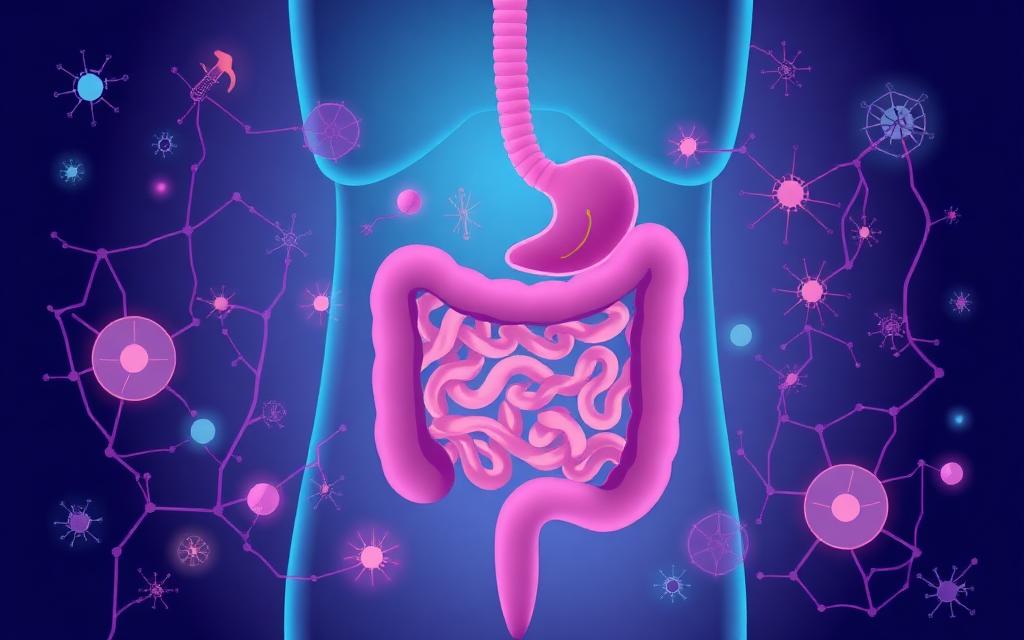
The gut microbiota refers to all microorganisms living in our digestive tract. It weighs about 1.5 kg and contains as many bacterial cells as our body has human cells.
Roles of the Microbiota
- Digestion: fermentation of dietary fiber, production of short-chain fatty acids (butyrate, propionate, acetate)
- Immunity: 70% of the immune system is in the gut. The microbiota educates and regulates defenses.
- Synthesis: production of vitamins (K, B12, B9), neurotransmitters (95% of serotonin is produced in the gut)
- Barrier: protection against pathogens through competition and production of antimicrobial substances
What Disrupts the Microbiota?
- Antibiotics (major but often reversible impact)
- Diet poor in fiber and rich in ultra-processed foods
- Chronic stress
- Sedentary lifestyle
- Certain medications (PPIs, NSAIDs)
How to Take Care of It
- Varied fiber: 25-30 g/day from diverse sources (vegetables, fruits, whole grains, legumes)
- Fermented foods: yogurt, kefir, sauerkraut, kimchi, miso
- Prebiotics: garlic, onion, leek, asparagus, banana (nourish good bacteria)
- Physical exercise: increases microbial diversity
Diversity is the key to a healthy microbiota. The more varied your diet, the richer and more resilient your microbiota.
The words explained
Medical terms used above, in everyday language.
- Chronic
- A problem that lasts a long time, usually more than three months, and often comes back.
- Immune system
- Your body's defence team: cells that fight germs and repair damage.
- Antibiotic
- A medicine that kills bacteria. It does not work against viruses like colds or flu.
- Fibre
- The part of plant foods your body cannot digest; it feeds gut bacteria and helps digestion.
- Probiotic
- The helpful bacteria living in your gut, and the foods or supplements that support them.
When should you see a doctor?
- Your symptoms last more than a few weeks or keep coming back.
- They get worse quickly, or stop you doing everyday things.
- You notice sudden pain, breathing trouble, fainting or bleeding — seek urgent care.
- You already take medication and want to change anything about it.
This article explains general health information. It does not replace advice from your own doctor.
Frequently asked questions
- What is Gut Microbiota: Your Second Brain?
- The gut microbiota regulates digestion, immunity, and even mood. Understanding its function to take care of it.
- What are the main symptoms or signs of Gut Microbiota: Your Second Brain?
- Common signs vary from person to person. The article above lists the symptoms to watch for, how they progress, and when they need medical attention.
- When should you see a doctor for Gut Microbiota: Your Second Brain?
- See a doctor if symptoms last more than a few weeks, get worse quickly, stop you doing everyday things, or if you notice sudden pain, breathing trouble, fainting or bleeding.
Related health topics
Digestive Health
Gastroesophageal Reflux: Soothing Heartburn
GERD affects 10 to 20% of adults. Postural measures, diet, and medication to regain comfort.
Digestive Health
Irritable Bowel Syndrome: Learning to Live with It
IBS affects 10 to 15% of the population. No organic lesion, but very real symptoms. The FODMAP diet and mind-body approaches are game-changers.
Digestive Health
Lactose intolerance: should you cut out all dairy products?
Lactose intolerance is dose-dependent. Most intolerant people can consume moderate amounts of dairy without symptoms.
Digestive Health
Celiac disease vs. gluten sensitivity: two different realities
Celiac disease is a serious autoimmune disease that requires a strict lifelong gluten-free diet. Non-celiac sensitivity is less understood.
Digestive Health
Crohn's Disease: Living With Chronic Inflammation
Crohn's disease causes patchy inflammation anywhere in the digestive tract and follows a relapsing course.
Digestive Health
Ulcerative Colitis: Managing Flares and Remissions
UC differs from Crohn's: inflammation is continuous, superficial, and confined to the colon and rectum.