
Celiac disease vs. gluten sensitivity: two different realities
Gluten-free is not a lifestyle choice for everyone.
Dr. Antoine Vasseur
Gastroenterologist

In simple terms
Celiac disease is a serious autoimmune disease that requires a strict lifelong gluten-free diet. Non-celiac sensitivity is less understood.
What you need to remember
- Celiac disease — Mechanism**: autoimmune reaction triggered by gluten (wheat, barley, rye) that destroys intestinal villi
- Non-celiac gluten sensitivity — Mechanism**: poorly understood, no villous destruction or autoantibodies
- Important points — NEVER start a gluten-free diet before diagnosis (it skews results)
Celiac disease affects about 1% of the world's population, but 80% of cases are undiagnosed. It is often confused with non-celiac gluten sensitivity, which is a distinct clinical entity.
Celiac disease
- Mechanism: autoimmune reaction triggered by gluten (wheat, barley, rye) that destroys intestinal villi
- Diagnosis: anti-transglutaminase IgA antibodies + duodenal biopsy
- Consequences if untreated: malabsorption, anemia, osteoporosis, intestinal lymphoma, infertility
- Treatment : STRICT gluten-free diet for life (even traces are harmful)
Non-celiac gluten sensitivity
- Mechanism: poorly understood, no villous destruction or autoantibodies
- Diagnosis: exclusion of celiac disease and wheat allergy
- Symptoms: digestive and extra-digestive (fatigue, brain fog, joint pain)
- Treatment: less strict gluten-free diet, traces are generally tolerated
Important points
- NEVER start a gluten-free diet before diagnosis (it skews results)
- A gluten-free diet without medical reason has no proven health benefits
- Celiac disease has a genetic component (HLA-DQ2/DQ8)
The words explained
Medical terms used above, in everyday language.
- Symptom
- A sign you can feel or see that something is wrong, like pain, tiredness or a rash.
- Diagnosis
- The moment a doctor identifies which illness is causing your symptoms.
- Genetic
- Passed down in your family through your genes.
- Antibody
- A protein your body makes to recognise and neutralise a specific germ.
When should you see a doctor?
- Your symptoms last more than a few weeks or keep coming back.
- They get worse quickly, or stop you doing everyday things.
- You notice sudden pain, breathing trouble, fainting or bleeding — seek urgent care.
- You already take medication and want to change anything about it.
This article explains general health information. It does not replace advice from your own doctor.
Frequently asked questions
- What is Celiac disease vs. gluten sensitivity: two different realities?
- Celiac disease is a serious autoimmune disease that requires a strict lifelong gluten-free diet. Non-celiac sensitivity is less understood.
- What are the main symptoms or signs of Celiac disease vs. gluten sensitivity: two different realities?
- Common signs vary from person to person. The article above lists the symptoms to watch for, how they progress, and when they need medical attention.
- When should you see a doctor for Celiac disease vs. gluten sensitivity: two different realities?
- See a doctor if symptoms last more than a few weeks, get worse quickly, stop you doing everyday things, or if you notice sudden pain, breathing trouble, fainting or bleeding.
Related health topics
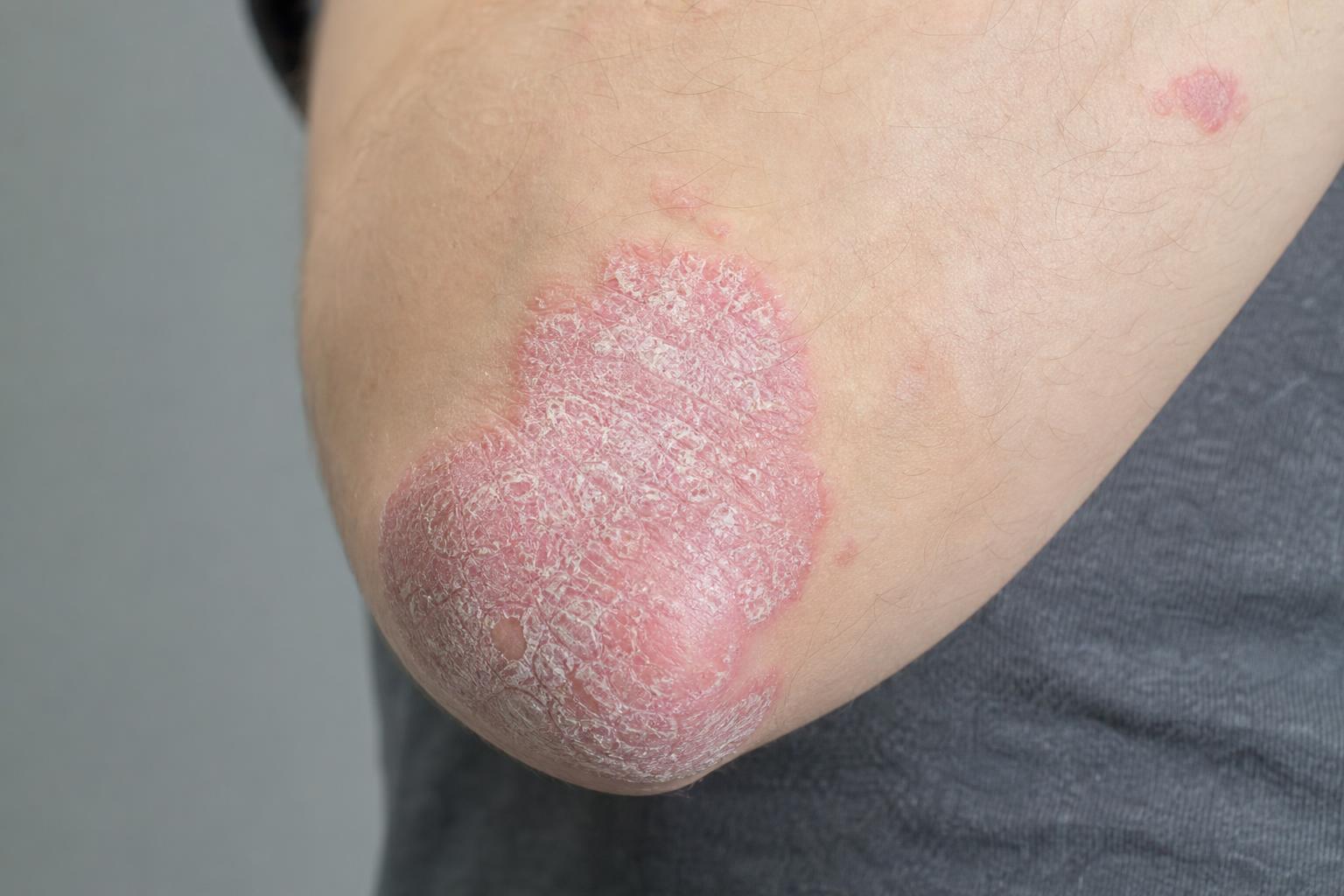
Dermatology
Psoriasis: Much More Than a Skin Problem
Psoriasis is a chronic autoimmune disease. Understanding its mechanisms helps to live better with it and choose the right treatments.

Neurology
Multiple Sclerosis: A Disease of the Young Adult
MS commonly starts between 20 and 40. Modern disease-modifying therapies have transformed the prognosis.

Diabetes & Endocrinology
Type 1 Diabetes: A Lifelong Autoimmune Disease
Type 1 diabetes accounts for 5-10% of all diabetes and most often appears in children and young adults.

Allergies & Immunity
Lupus: A Disease of Many Faces
Systemic lupus erythematosus mimics many other diseases. Early recognition matters for organ protection.
Allergies & Immunity
Rheumatoid Arthritis: Early Treatment Saves Joints
Rheumatoid arthritis is an autoimmune joint disease where rapid, intensive treatment dramatically alters long-term outcomes.
Conditions
Rheumatoid Arthritis: Early Treatment Matters
Symmetric morning joint stiffness lasting > 30 minutes needs early rheumatology referral.