
Type 1 Diabetes: A Lifelong Autoimmune Disease
Insulin therapy is non-negotiable from day one.
Dr. Camille Ferraud
Endocrinologist

In simple terms
Type 1 diabetes accounts for 5-10% of all diabetes and most often appears in children and young adults.
What you need to remember
- Modern management — Multiple daily insulin injections or insulin pump
- Acute complications — Hypoglycaemia and ketoacidosis remain the two main emergencies.
- Long-term goals — HbA1c below 7% reduces microvascular complications.
Autoimmune destruction of pancreatic beta cells abolishes insulin production. Classic onset includes thirst, frequent urination, weight loss and fatigue, sometimes culminating in diabetic ketoacidosis.
Modern management
- Multiple daily insulin injections or insulin pump
- Continuous glucose monitoring
- Carbohydrate counting
- Hybrid closed-loop systems are now widely available
Acute complications
Hypoglycaemia and ketoacidosis remain the two main emergencies. Patient education and clear sick-day rules prevent most hospitalizations.
Long-term goals
HbA1c below 7% reduces microvascular complications. Regular eye, kidney and foot screening detects damage early.
Type 1 diabetes is autoimmune, not caused by sugar intake or lifestyle.
The words explained
Medical terms used above, in everyday language.
- Acute
- Something that starts suddenly and lasts a short time.
- Insulin
- The hormone that lets sugar move from your blood into your cells for energy.
- Blood sugar
- The amount of sugar circulating in your blood, your body's main fuel.
- Prevention
- Steps taken before a problem starts, to make it less likely.
- Screening
- A check-up done before you feel ill, to catch a problem early.
When should you see a doctor?
- Your symptoms last more than a few weeks or keep coming back.
- They get worse quickly, or stop you doing everyday things.
- You notice sudden pain, breathing trouble, fainting or bleeding — seek urgent care.
- You already take medication and want to change anything about it.
This article explains general health information. It does not replace advice from your own doctor.
Frequently asked questions
- What is Type 1 Diabetes: A Lifelong Autoimmune Disease?
- Type 1 diabetes accounts for 5-10% of all diabetes and most often appears in children and young adults.
- What are the main symptoms or signs of Type 1 Diabetes: A Lifelong Autoimmune Disease?
- Common signs vary from person to person. The article above lists the symptoms to watch for, how they progress, and when they need medical attention.
- When should you see a doctor for Type 1 Diabetes: A Lifelong Autoimmune Disease?
- See a doctor if symptoms last more than a few weeks, get worse quickly, stop you doing everyday things, or if you notice sudden pain, breathing trouble, fainting or bleeding.
Related health topics
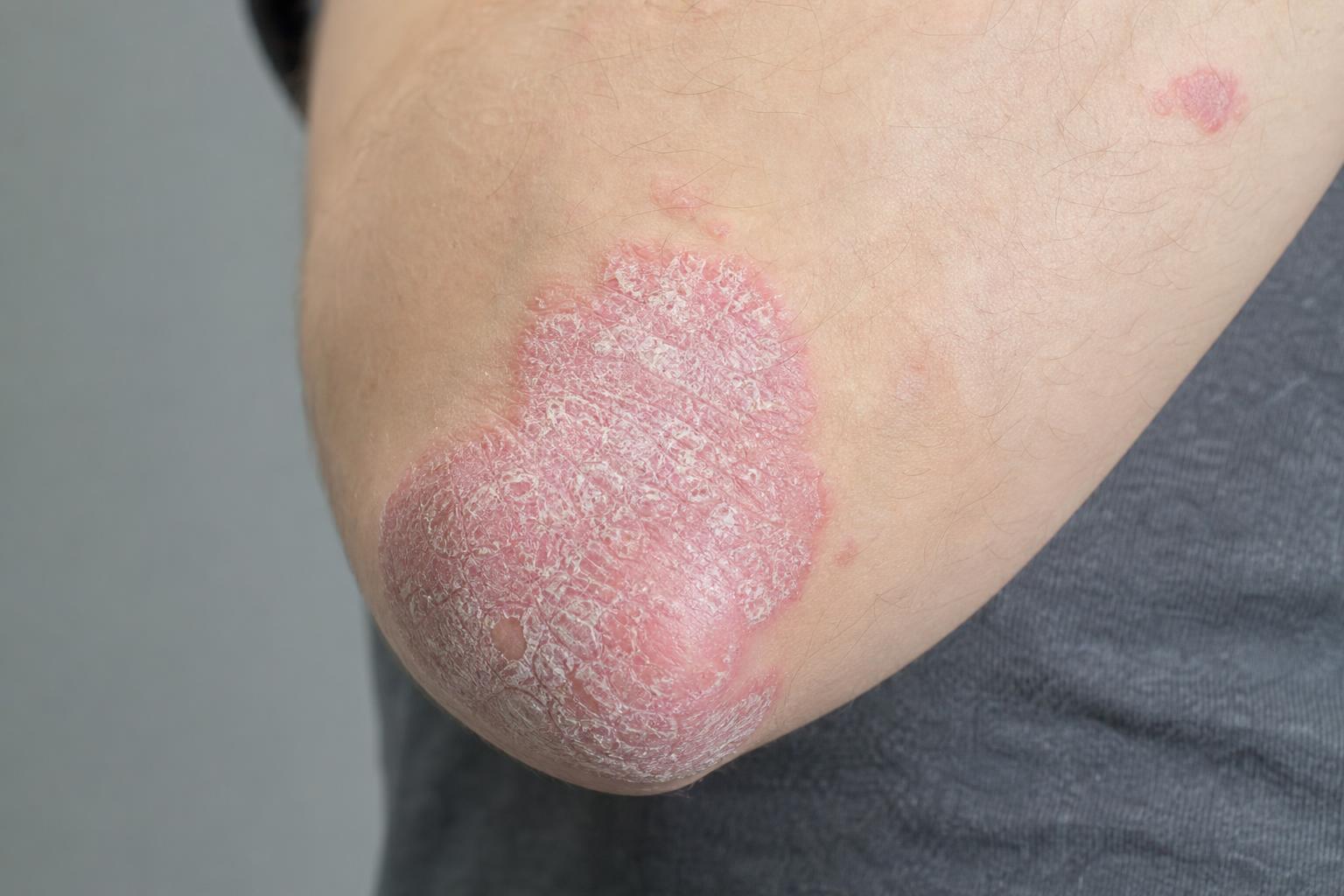
Dermatology
Psoriasis: Much More Than a Skin Problem
Psoriasis is a chronic autoimmune disease. Understanding its mechanisms helps to live better with it and choose the right treatments.
Pregnancy & Maternity
Gestational Diabetes: Understanding, Screening, and Management
Gestational diabetes affects 6 to 9% of pregnancies. Systematic screening and early management protect both mother and child.

Digestive Health
Celiac disease vs. gluten sensitivity: two different realities
Celiac disease is a serious autoimmune disease that requires a strict lifelong gluten-free diet. Non-celiac sensitivity is less understood.
Conditions
Type 2 Diabetes: 7 Actions to Reduce Your Risk by 58%
The DPP study showed: an active lifestyle and modest weight loss reduce the risk of type 2 diabetes by 58%, compared to 31% for metformin.

Neurology
Multiple Sclerosis: A Disease of the Young Adult
MS commonly starts between 20 and 40. Modern disease-modifying therapies have transformed the prognosis.
Diabetes & Endocrinology
Type 2 Diabetes: Prevention Is Possible
Type 2 diabetes affects over 460 million adults. Modest weight loss reduces incidence by more than half.