
Psoriasis: Much More Than a Skin Problem
A systemic disease that deserves attention.
Dr. Sophie Renard
Dermatologist
In simple terms
Psoriasis is a chronic autoimmune disease. Understanding its mechanisms helps to live better with it and choose the right treatments.
What you need to remember
- The mechanism involved — The immune system overreacts and accelerates the renewal of skin cells.
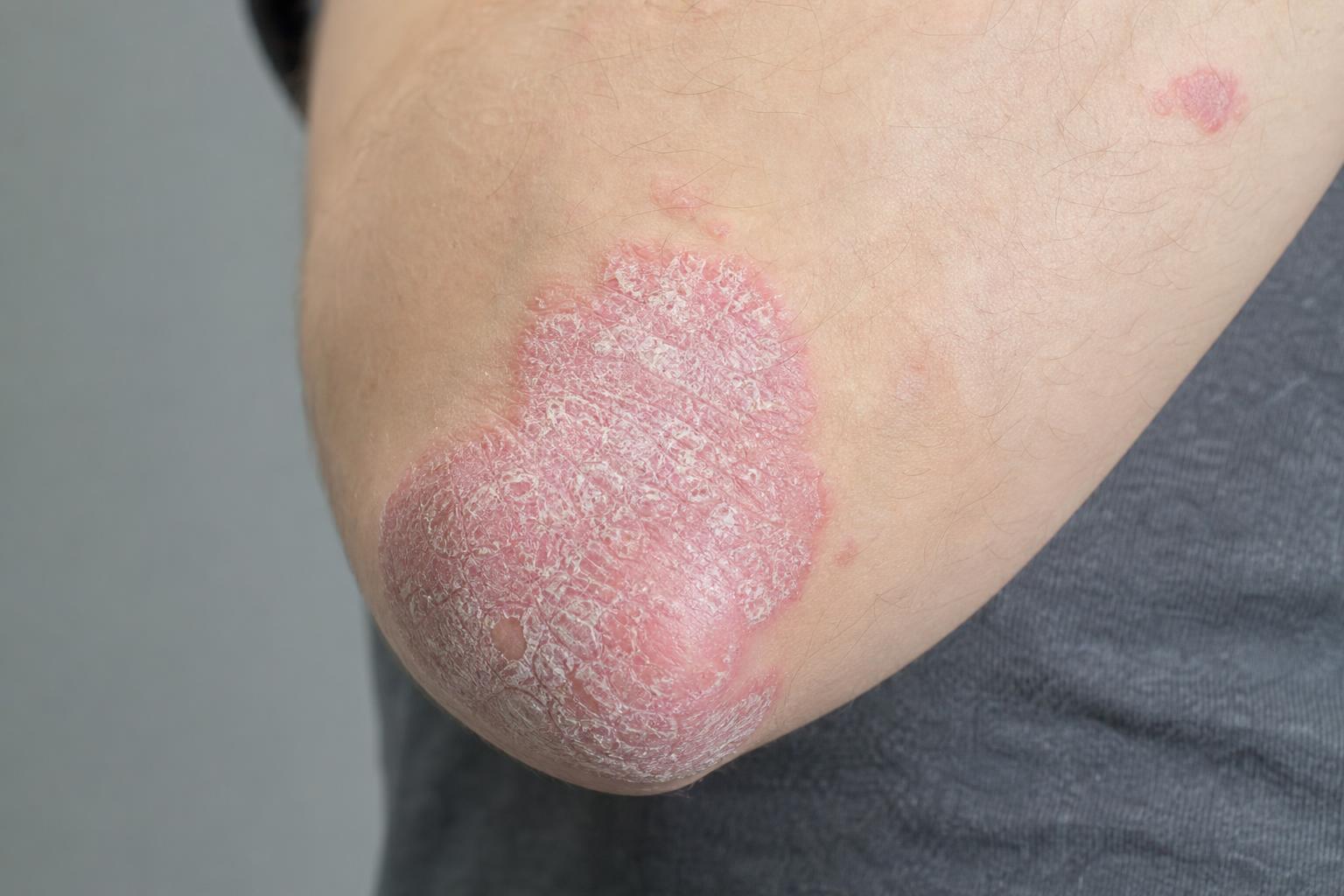
- Different forms — Plaque psoriasis** (80% of cases): red patches covered with white scales, often on elbows, knees, and scalp
Psoriasis affects about 2 to 3% of the world's population. Far from being a simple cosmetic problem, it is a systemic inflammatory disease associated with an increased risk of cardiovascular diseases, diabetes, and depression.
The mechanism involved
The immune system overreacts and accelerates the renewal of skin cells. Normally, this cycle takes about 28 days. In psoriasis, it is reduced to 3-4 days, causing the accumulation of dead cells in thick plaques.
Different forms
- Plaque psoriasis (80% of cases): red patches covered with white scales, often on elbows, knees, and scalp
- Guttate psoriasis: small disseminated lesions, common in children after an infection
- Inverse psoriasis: affects skin folds (armpits, groin)
- Psoriatic arthritis: joint involvement affecting 20-30% of patients
Current treatments
Management is graduated:
- Topicals: topical corticosteroids, vitamin D analogs
- Phototherapy: narrowband UVB
- Systemic treatments: methotrexate, cyclosporine
- Biologics: anti-TNF, anti-IL17, anti-IL23 — therapeutic revolution of the last 15 years
Psoriasis is not contagious. Reducing social stigma is an integral part of management.
The words explained
Medical terms used above, in everyday language.
- Inflammation
- The body's reaction to injury or irritation: redness, swelling, heat or pain.
- Immune system
- Your body's defence team: cells that fight germs and repair damage.
- Cardiovascular
- Related to the heart and blood vessels.
- Topical
- A treatment you apply on the skin, like a cream, gel or ointment.
When should you see a doctor?
- Your symptoms last more than a few weeks or keep coming back.
- They get worse quickly, or stop you doing everyday things.
- You notice sudden pain, breathing trouble, fainting or bleeding — seek urgent care.
- You already take medication and want to change anything about it.
This article explains general health information. It does not replace advice from your own doctor.
Frequently asked questions
- What is Psoriasis: Much More Than a Skin Problem?
- Psoriasis is a chronic autoimmune disease. Understanding its mechanisms helps to live better with it and choose the right treatments.
- What are the main symptoms or signs of Psoriasis: Much More Than a Skin Problem?
- Common signs vary from person to person. The article above lists the symptoms to watch for, how they progress, and when they need medical attention.
- When should you see a doctor for Psoriasis: Much More Than a Skin Problem?
- See a doctor if symptoms last more than a few weeks, get worse quickly, stop you doing everyday things, or if you notice sudden pain, breathing trouble, fainting or bleeding.
Related health topics
Dermatology
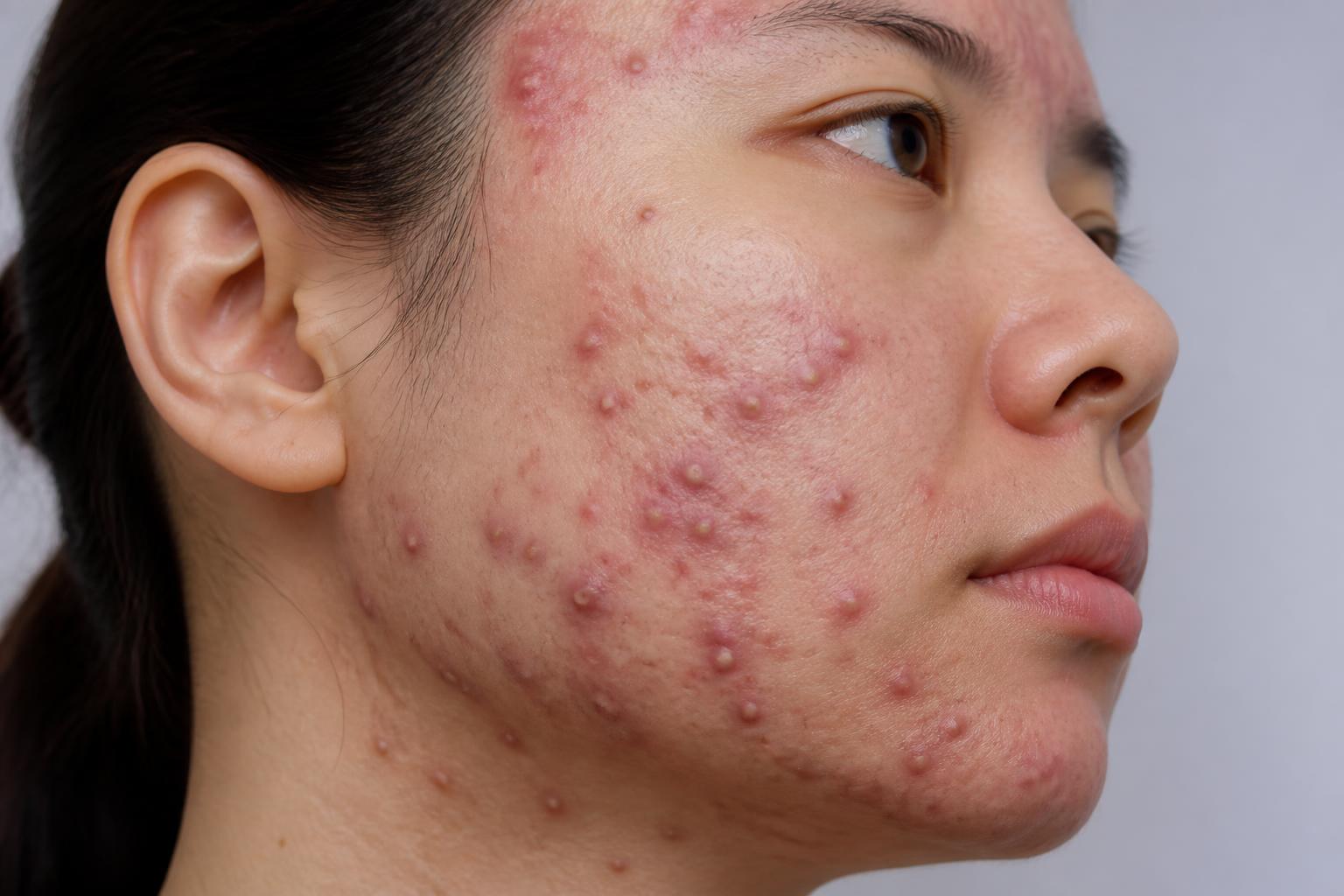
Adult Acne: Why It Persists and How to Treat It
Hormones, stress, diet: factors that perpetuate acne after 25 and validated dermatological approaches.
Dermatology
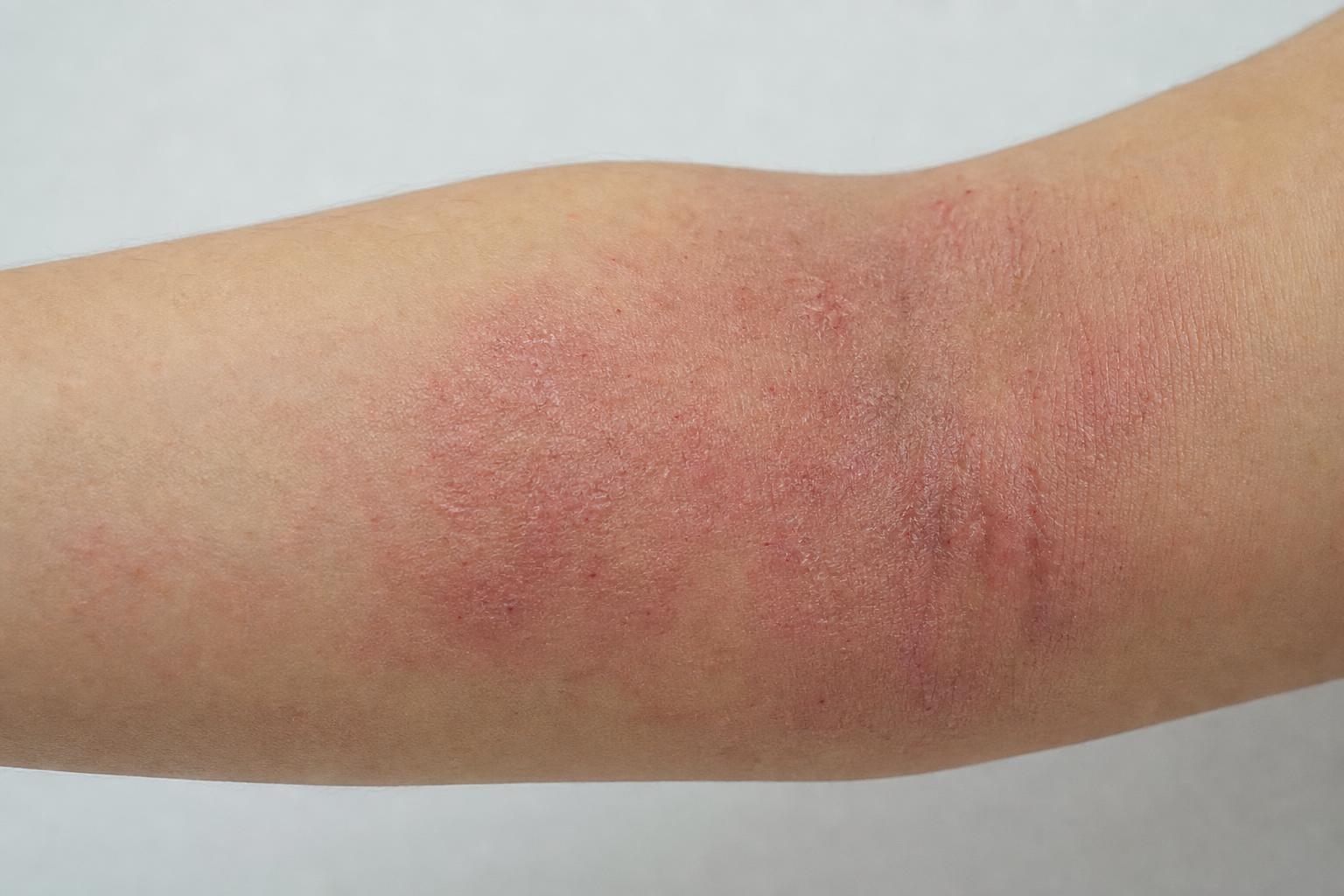
Atopic Eczema: Strategies to Soothe Flare-ups
Understand the mechanism of atopic dermatitis and adopt a skincare routine that reduces the frequency and intensity of flare-ups.

Digestive Health
Celiac disease vs. gluten sensitivity: two different realities
Celiac disease is a serious autoimmune disease that requires a strict lifelong gluten-free diet. Non-celiac sensitivity is less understood.

Neurology
Multiple Sclerosis: A Disease of the Young Adult
MS commonly starts between 20 and 40. Modern disease-modifying therapies have transformed the prognosis.

Diabetes & Endocrinology
Type 1 Diabetes: A Lifelong Autoimmune Disease
Type 1 diabetes accounts for 5-10% of all diabetes and most often appears in children and young adults.

Allergies & Immunity
Lupus: A Disease of Many Faces
Systemic lupus erythematosus mimics many other diseases. Early recognition matters for organ protection.