Adult Acne: Why It Persists and How to Treat It
Not just a teenage problem.
Dr. Sophie Renard
Dermatologist
In simple terms
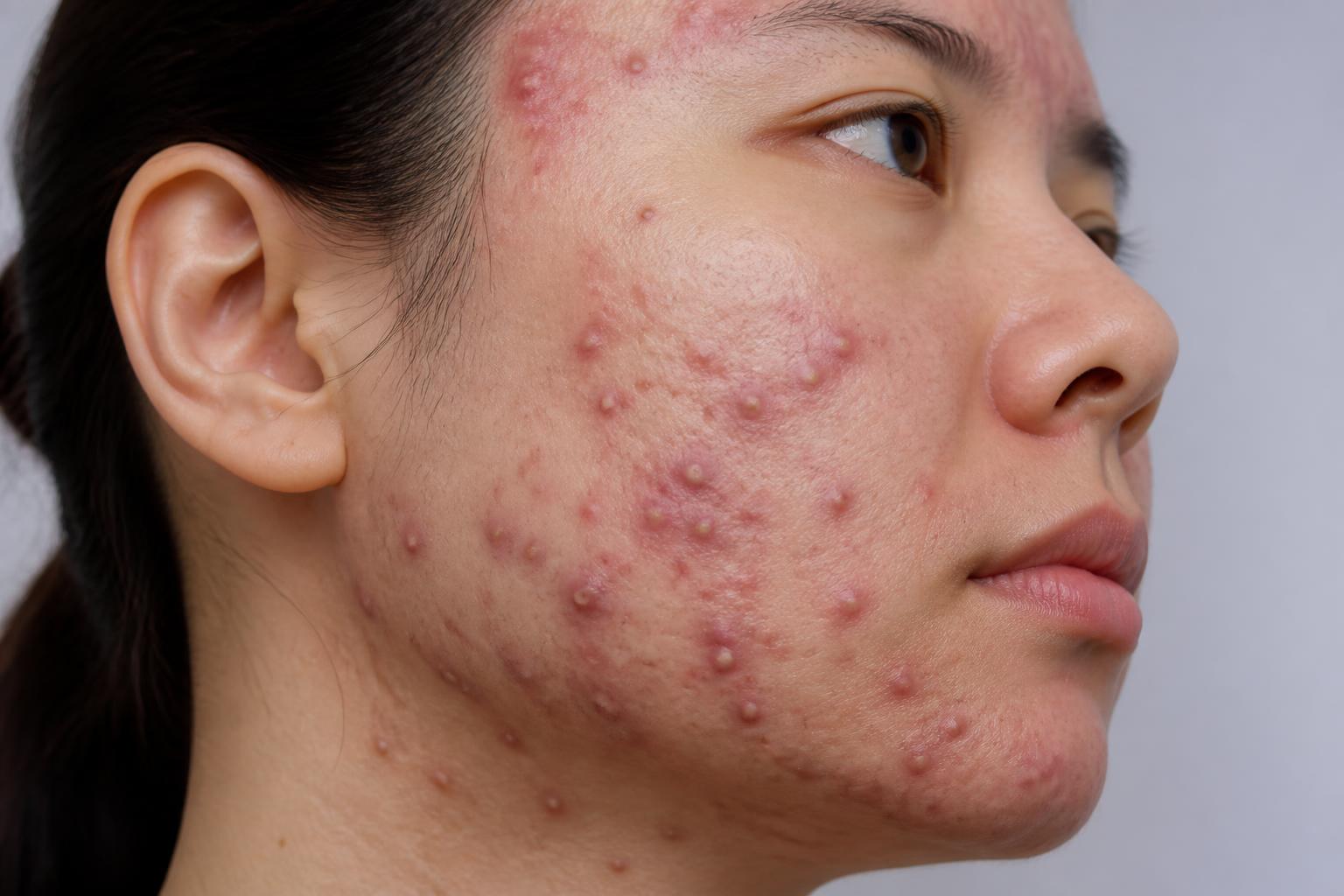
Hormones, stress, diet: factors that perpetuate acne after 25 and validated dermatological approaches.
What you need to remember
- Main causes — Adult acne results from an interaction between hormonal, inflammatory, and environmental factors:
- Validated treatments — Management depends on severity:
- Practical advice — Cleanse skin morning and evening with a gentle, soap-free product
Acne does not always disappear with adolescence. In adults, it affects about 15% of women and 5% of men according to epidemiological data. Several mechanisms perpetuate this skin condition long after puberty.
Main causes
Adult acne results from an interaction between hormonal, inflammatory, and environmental factors:
- Hormonal fluctuations: menstrual cycles, stopping contraception, perimenopause. Androgens stimulate sebum production.
- Chronic stress: cortisol increases sebum secretion and aggravates skin inflammation.
- Diet: high glycemic index products and certain dairy products can worsen flare-ups.
- Cosmetic products: some occlusive skincare products clog pores and promote blackheads.
Validated treatments
Management depends on severity:
- Topicals: benzoyl peroxide, topical retinoids, and azelaic acid remain first lines.
- Oral antibiotics: doxycycline in short courses for moderate inflammatory forms.
- Hormonal treatments: certain contraceptive pills or spironolactone in women.
- Isotretinoin: reserved for severe forms, with strict medical monitoring.
Self-medication with aggressive products often worsens the situation. A dermatological consultation can help prevent permanent scars.
Practical advice
- Cleanse skin morning and evening with a gentle, soap-free product
- Moisturize even oily skin (dehydrated skin produces more sebum)
- Do not manipulate pimples to avoid scars
- Protect skin from the sun (UV rays worsen post-inflammatory marks)
The words explained
Medical terms used above, in everyday language.
- Chronic
- A problem that lasts a long time, usually more than three months, and often comes back.
- Inflammation
- The body's reaction to injury or irritation: redness, swelling, heat or pain.
- Hormone
- A chemical messenger made by your body that tells organs what to do.
- Antibiotic
- A medicine that kills bacteria. It does not work against viruses like colds or flu.
- Blood sugar
- The amount of sugar circulating in your blood, your body's main fuel.
- Topical
- A treatment you apply on the skin, like a cream, gel or ointment.
When should you see a doctor?
- Your symptoms last more than a few weeks or keep coming back.
- They get worse quickly, or stop you doing everyday things.
- You notice sudden pain, breathing trouble, fainting or bleeding — seek urgent care.
- You already take medication and want to change anything about it.
This article explains general health information. It does not replace advice from your own doctor.
Frequently asked questions
- What is Adult Acne: Why It Persists and How to Treat It?
- Hormones, stress, diet: factors that perpetuate acne after 25 and validated dermatological approaches.
- What are the main symptoms or signs of Adult Acne: Why It Persists and How to Treat It?
- Common signs vary from person to person. The article above lists the symptoms to watch for, how they progress, and when they need medical attention.
- When should you see a doctor for Adult Acne: Why It Persists and How to Treat It?
- See a doctor if symptoms last more than a few weeks, get worse quickly, stop you doing everyday things, or if you notice sudden pain, breathing trouble, fainting or bleeding.
Related health topics
Dermatology
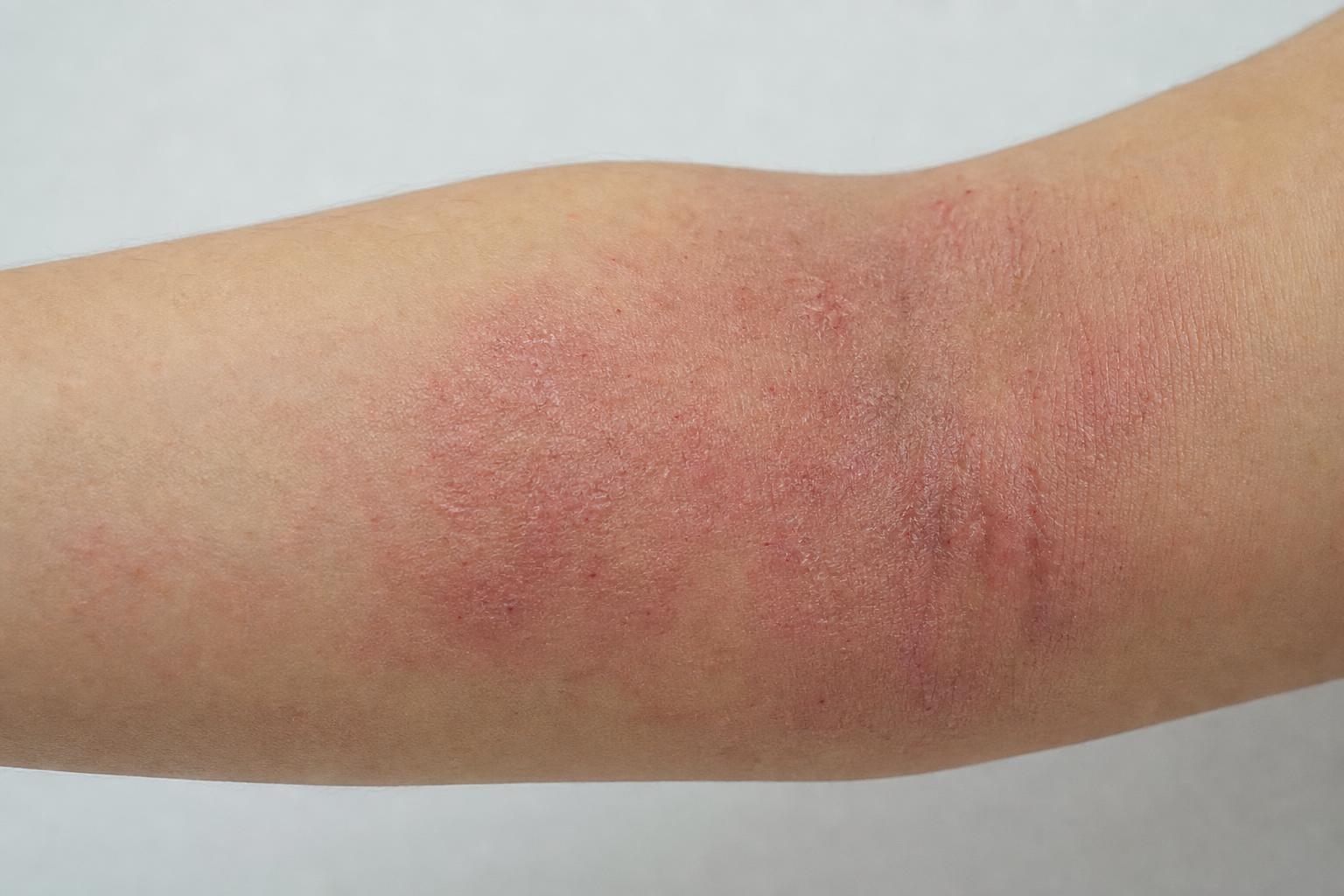
Atopic Eczema: Strategies to Soothe Flare-ups
Understand the mechanism of atopic dermatitis and adopt a skincare routine that reduces the frequency and intensity of flare-ups.
Dermatology
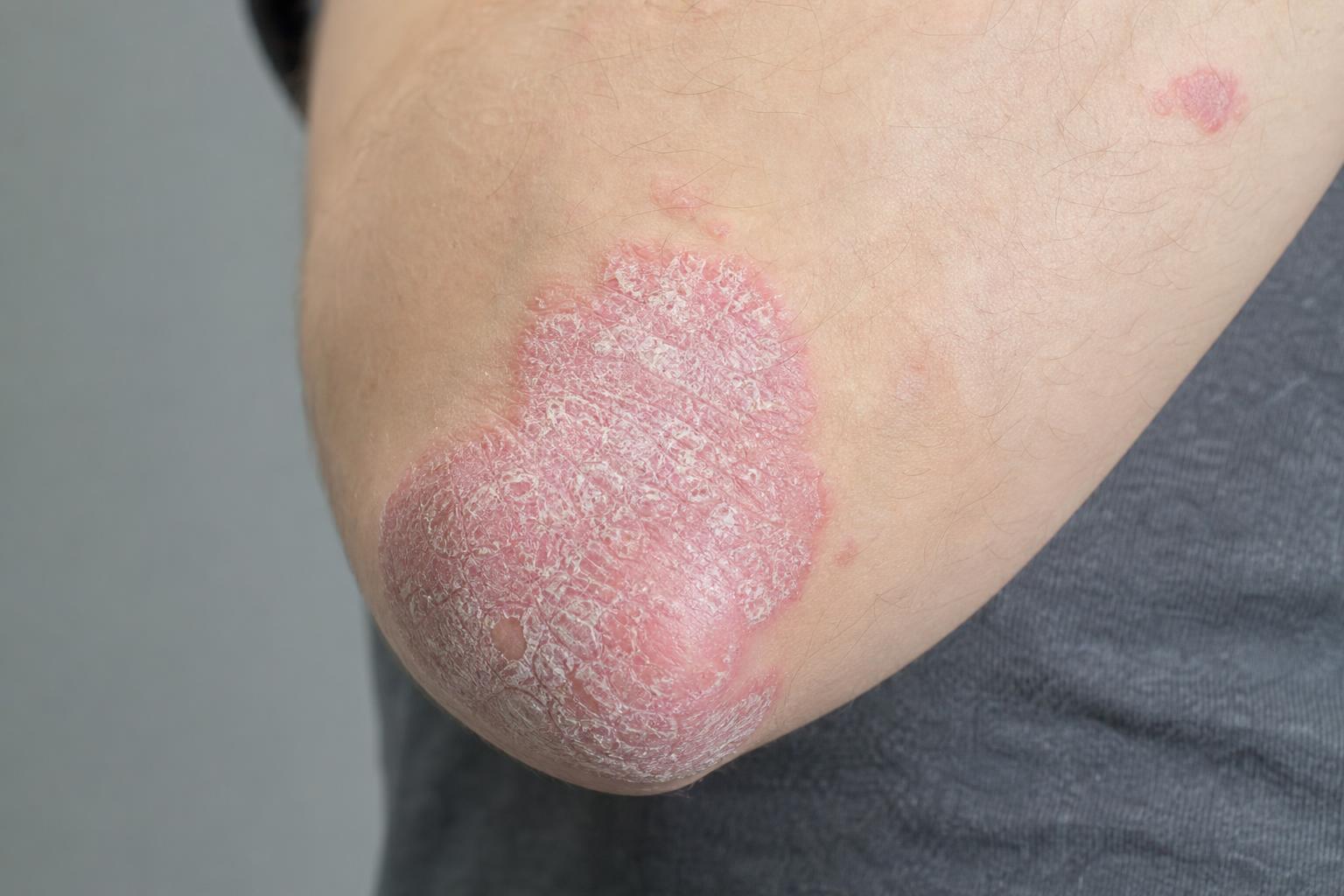
Psoriasis: Much More Than a Skin Problem
Psoriasis is a chronic autoimmune disease. Understanding its mechanisms helps to live better with it and choose the right treatments.
Conditions
Thyroid: Hypothyroidism and Hyperthyroidism Explained
Thyroid dysfunctions affect 10% of the population, with a female predominance. Symptoms, diagnosis, and treatments.
Diabetes & Endocrinology
Hypothyroidism: Common, Treatable, Often Missed
An underactive thyroid affects 1-5% of adults. Symptoms are subtle, but treatment is simple and effective.
Diabetes & Endocrinology
Hyperthyroidism: When the Thyroid Races
Graves' disease is the most common cause of an overactive thyroid in adults under 50.

Diabetes & Endocrinology
Polycystic Ovary Syndrome: Far More Than Cysts
PCOS combines irregular periods, hyperandrogenism and metabolic features. Early diagnosis improves long-term outcomes.