
Atopic Eczema: Strategies to Soothe Flare-ups
Dryness, itching, redness: a cycle that can be broken.
Dr. Sophie Renard
Dermatologist
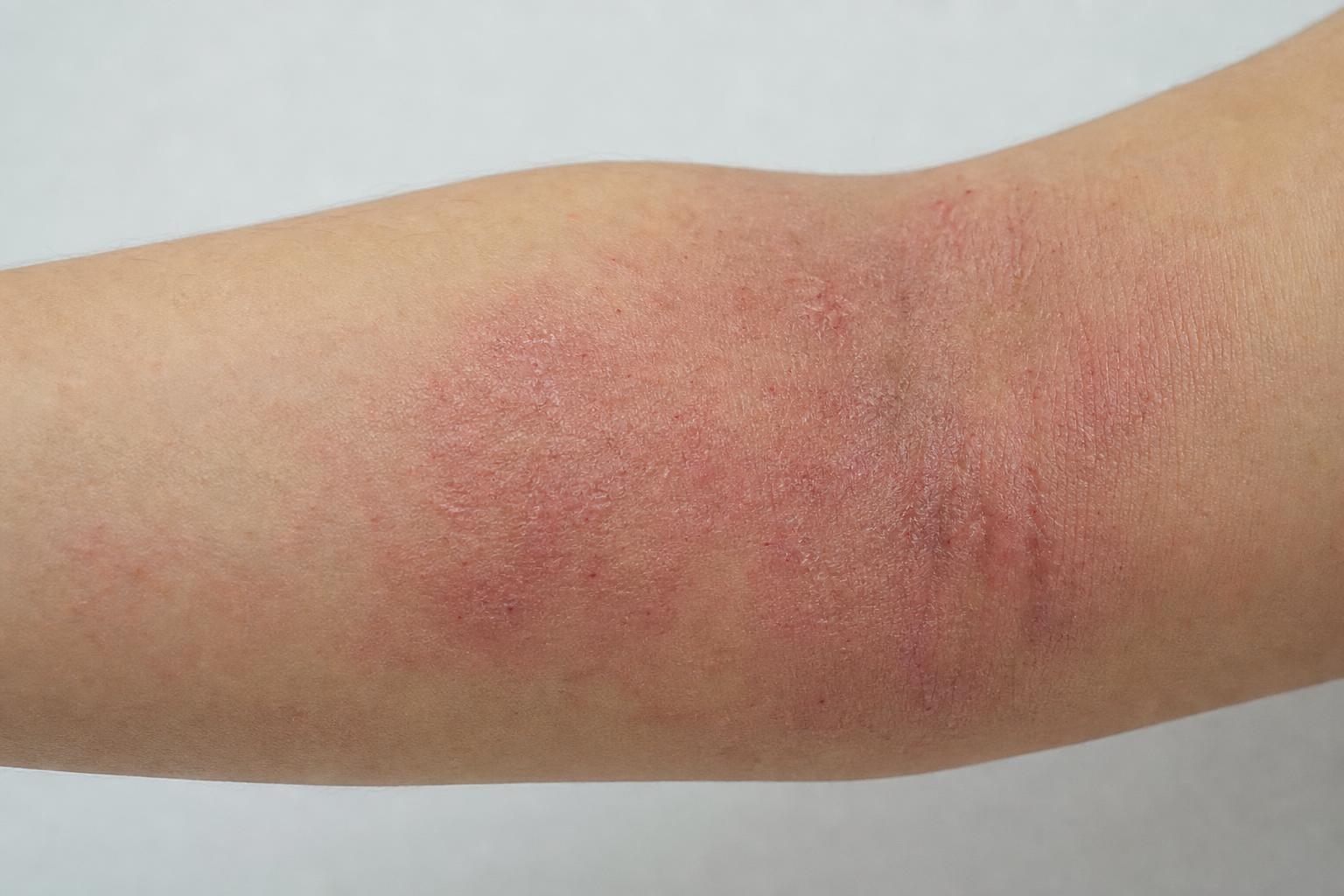
In simple terms
Understand the mechanism of atopic dermatitis and adopt a skincare routine that reduces the frequency and intensity of flare-ups.
What you need to remember
- Understanding the mechanism — The skin barrier of atopic individuals has a deficiency in filaggrin, a protein essential for the skin's impermeability.
- Recommended daily routine — Emollients**: apply a rich moisturizer twice a day, even outside of flare-ups
- During flare-ups — Topical corticosteroids remain the reference treatment for flare-ups.
Atopic dermatitis is a chronic inflammatory disease affecting 10 to 20% of children and persisting in 2 to 3% of adults in industrialized countries. It manifests as dry skin, red patches, and intense itching.
Understanding the mechanism
The skin barrier of atopic individuals has a deficiency in filaggrin, a protein essential for the skin's impermeability. This structural defect allows allergens and irritants to penetrate more easily, triggering an excessive immune response.
Recommended daily routine
- Emollients: apply a rich moisturizer twice a day, even outside of flare-ups
- Short shower: maximum 5 minutes, lukewarm water (not hot), superfatted soap or soap-free cleanser
- Clothing: prefer cotton, avoid wool directly on the skin
- Environment: maintain indoor humidity between 40 and 60%
During flare-ups
Topical corticosteroids remain the reference treatment for flare-ups. Used correctly, they are effective and safe. Corticophobia (fear of corticosteroids) often leads to undertreatment, which worsens the disease.
For severe forms, new biological treatments like dupilumab have shown remarkable efficacy in clinical trials.
Atopic dermatitis is not a matter of hygiene. It is a genetic and immunological disease that requires appropriate management.
The words explained
Medical terms used above, in everyday language.
- Chronic
- A problem that lasts a long time, usually more than three months, and often comes back.
- Inflammation
- The body's reaction to injury or irritation: redness, swelling, heat or pain.
- Immune system
- Your body's defence team: cells that fight germs and repair damage.
- Topical
- A treatment you apply on the skin, like a cream, gel or ointment.
- Genetic
- Passed down in your family through your genes.
- Relapse / flare-up
- A moment when symptoms come back or get worse again.
When should you see a doctor?
- Your symptoms last more than a few weeks or keep coming back.
- They get worse quickly, or stop you doing everyday things.
- You notice sudden pain, breathing trouble, fainting or bleeding — seek urgent care.
- You already take medication and want to change anything about it.
This article explains general health information. It does not replace advice from your own doctor.
Frequently asked questions
- What is Atopic Eczema: Strategies to Soothe Flare-ups?
- Understand the mechanism of atopic dermatitis and adopt a skincare routine that reduces the frequency and intensity of flare-ups.
- What are the main symptoms or signs of Atopic Eczema: Strategies to Soothe Flare-ups?
- Common signs vary from person to person. The article above lists the symptoms to watch for, how they progress, and when they need medical attention.
- When should you see a doctor for Atopic Eczema: Strategies to Soothe Flare-ups?
- See a doctor if symptoms last more than a few weeks, get worse quickly, stop you doing everyday things, or if you notice sudden pain, breathing trouble, fainting or bleeding.
Related health topics
Dermatology
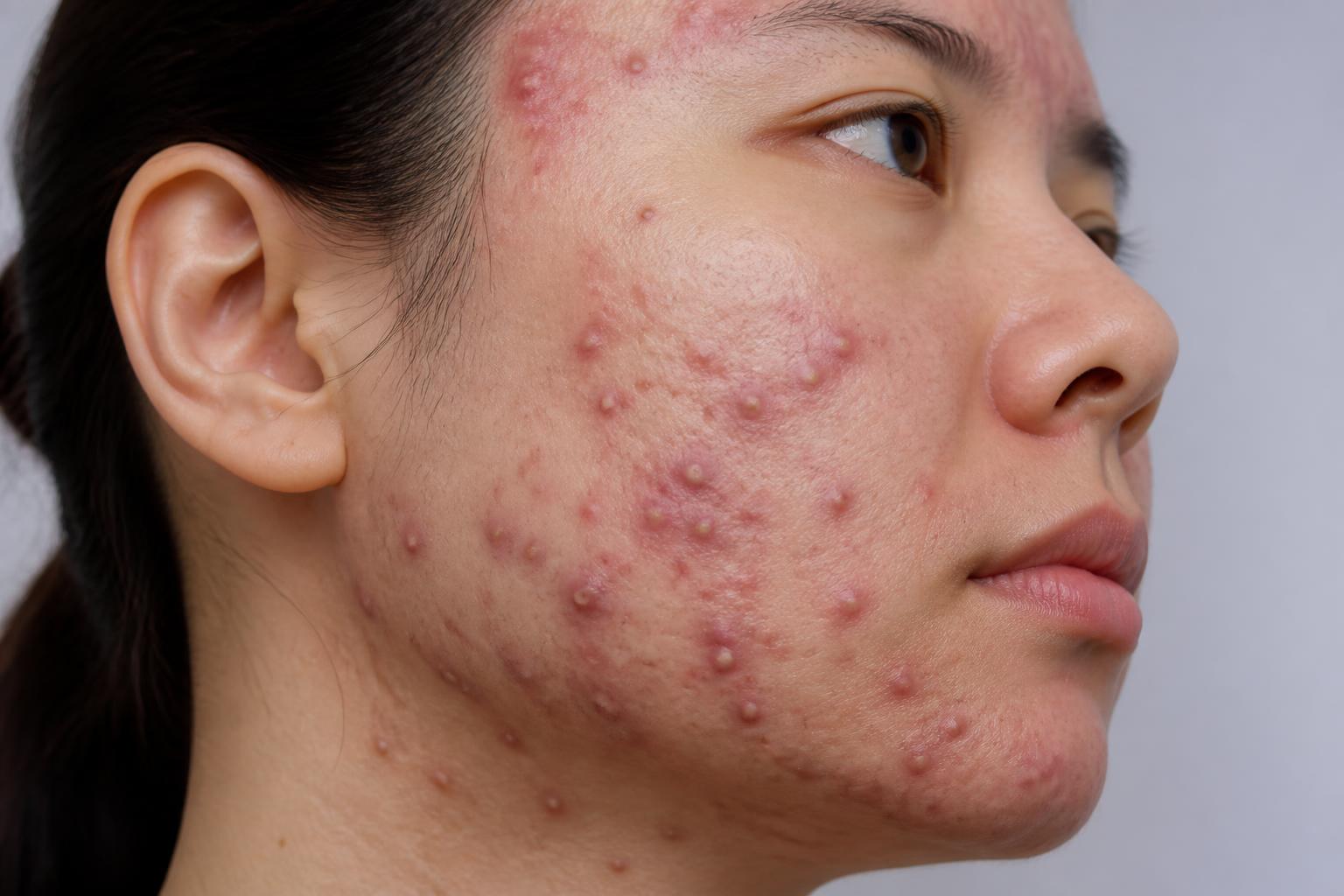
Adult Acne: Why It Persists and How to Treat It
Hormones, stress, diet: factors that perpetuate acne after 25 and validated dermatological approaches.
Dermatology
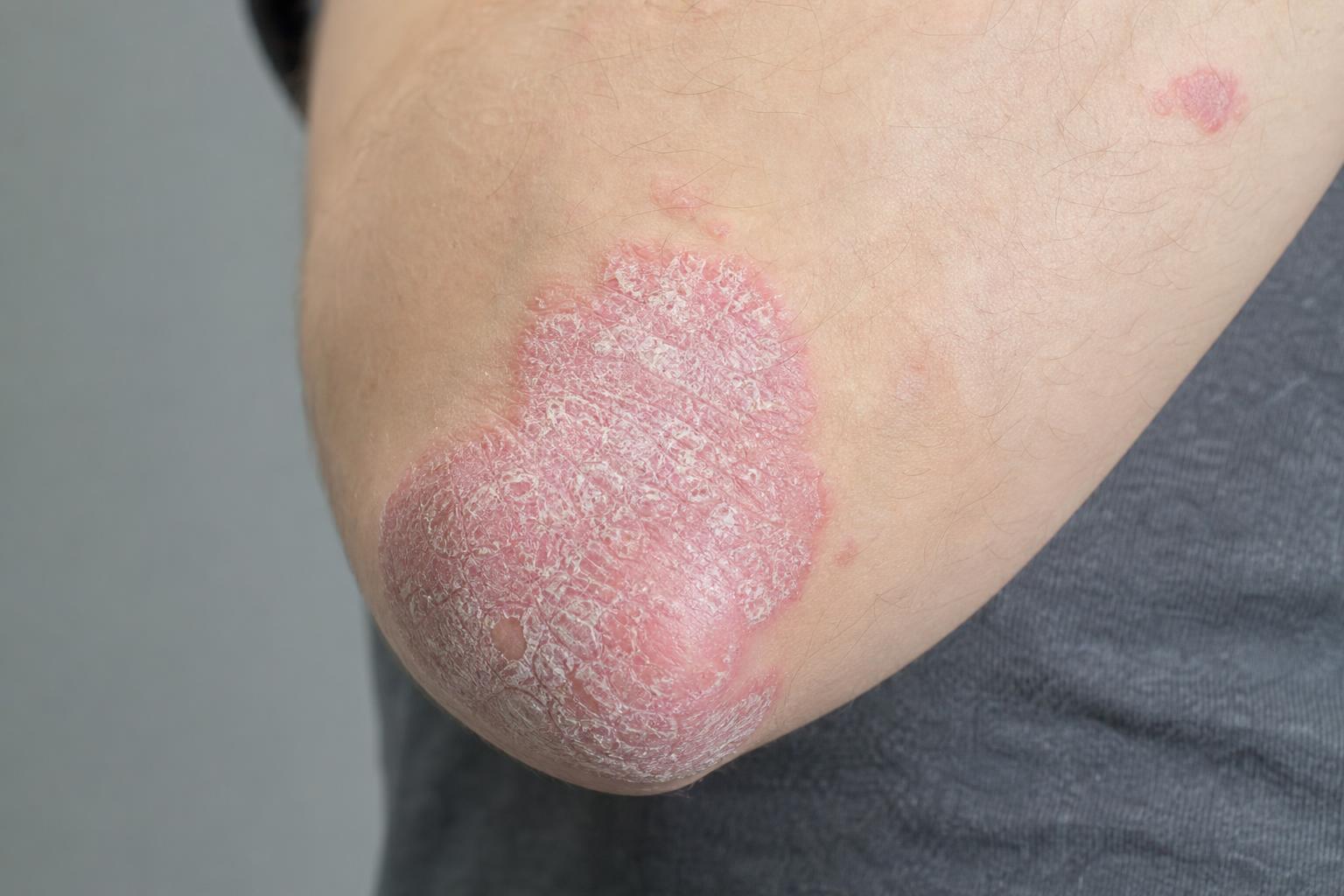
Psoriasis: Much More Than a Skin Problem
Psoriasis is a chronic autoimmune disease. Understanding its mechanisms helps to live better with it and choose the right treatments.

Allergies & Immunity
Chronic Urticaria: Hives That Won't Stop
Chronic spontaneous urticaria persists more than 6 weeks. It is usually not allergic — and is highly treatable.