
The gut, second brain
Digestive Health
Microbiota, reflux, intolerances, irritable bowel: taking daily care of your digestive system.
26 articles in this section
Articles in Digestive Health

Digestive Health
Gut Microbiota: Your Second Brain
The gut microbiota regulates digestion, immunity, and even mood. Understanding its function to take care of it.
Digestive Health
Gastroesophageal Reflux: Soothing Heartburn
GERD affects 10 to 20% of adults. Postural measures, diet, and medication to regain comfort.
Digestive Health
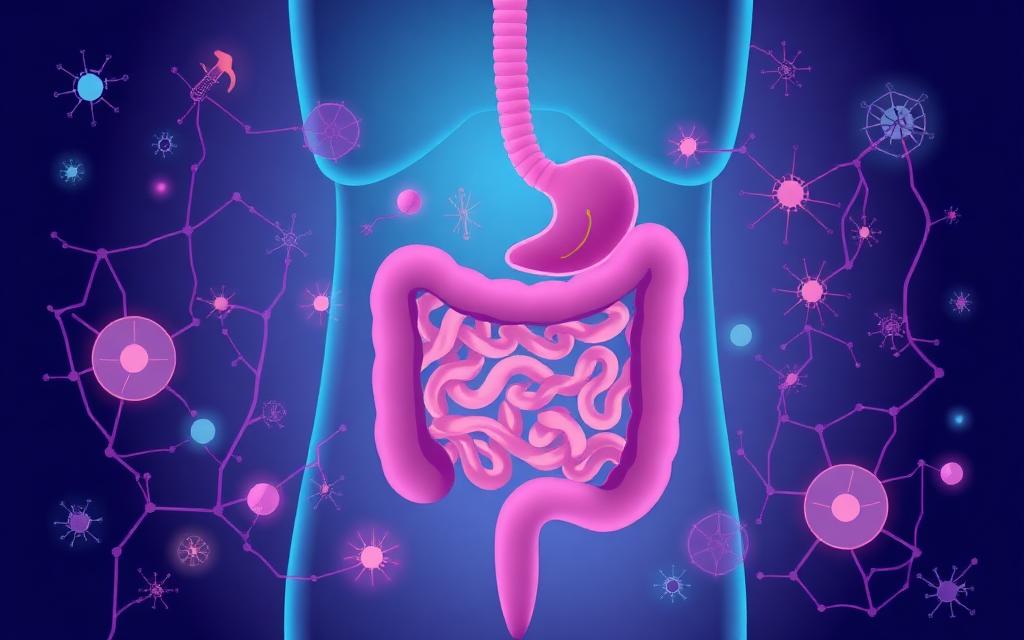
Irritable Bowel Syndrome: Learning to Live with It
IBS affects 10 to 15% of the population. No organic lesion, but very real symptoms. The FODMAP diet and mind-body approaches are game-changers.
Digestive Health
Lactose intolerance: should you cut out all dairy products?
Lactose intolerance is dose-dependent. Most intolerant people can consume moderate amounts of dairy without symptoms.
Digestive Health
Celiac disease vs. gluten sensitivity: two different realities
Celiac disease is a serious autoimmune disease that requires a strict lifelong gluten-free diet. Non-celiac sensitivity is less understood.
Digestive Health
Crohn's Disease: Living With Chronic Inflammation
Crohn's disease causes patchy inflammation anywhere in the digestive tract and follows a relapsing course.
Digestive Health
Ulcerative Colitis: Managing Flares and Remissions
UC differs from Crohn's: inflammation is continuous, superficial, and confined to the colon and rectum.
Digestive Health
GERD: When Reflux Becomes Disease
Gastroesophageal reflux disease affects 10-20% of adults in Western countries. Long-term acid suppression deserves regular reassessment.
Digestive Health
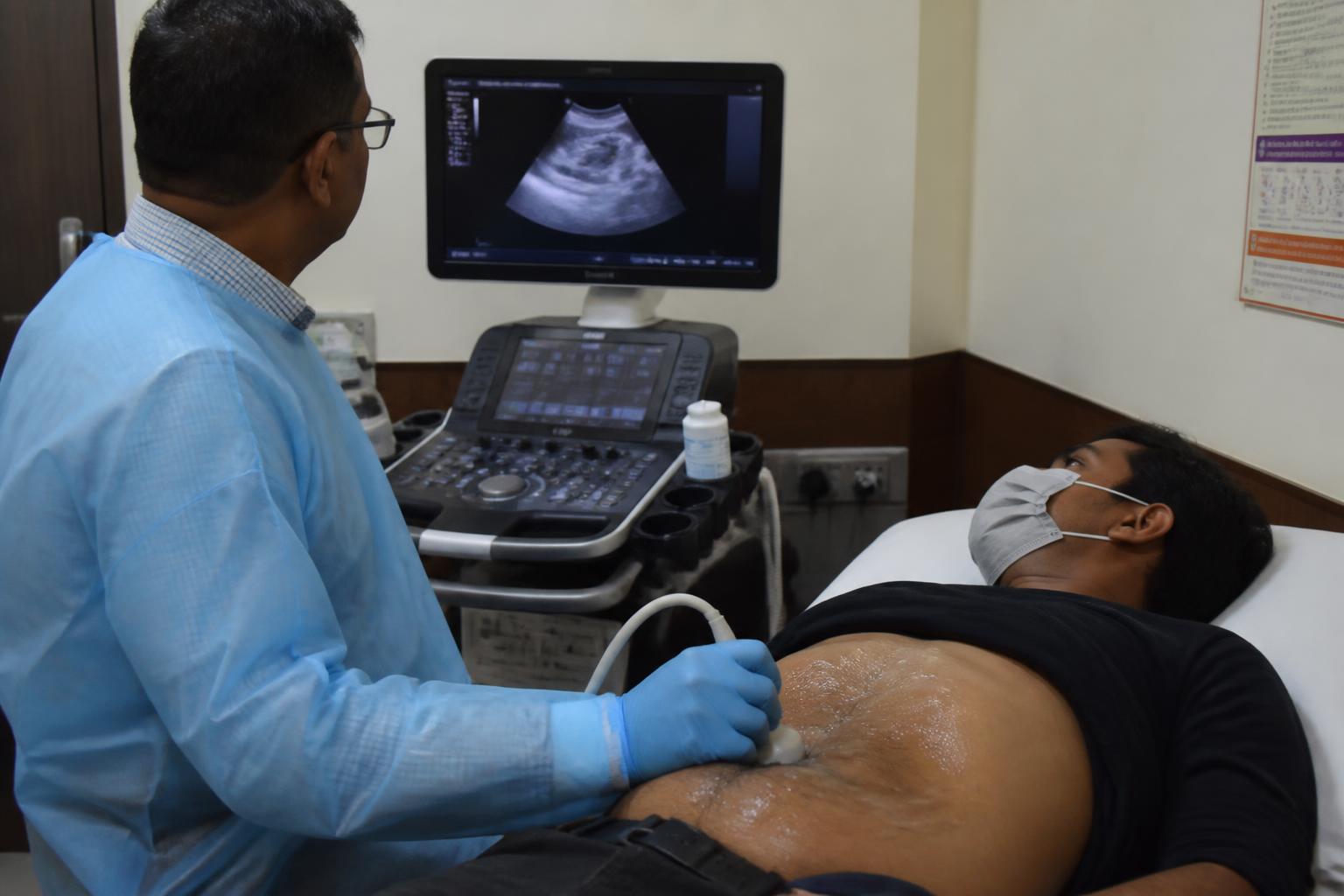
Gallstones: When Surgery Is Necessary
Gallstones affect 10-15% of adults in industrialized countries. Symptoms determine management.
Digestive Health
Fatty Liver Disease: The Silent Epidemic
Non-alcoholic fatty liver disease is now the most common chronic liver disease worldwide, driven by metabolic syndrome.
Digestive Health
Bloating: A Common but Manageable Symptom
Bloating affects up to 30% of adults. Simple, evidence-based steps often bring relief.
Digestive Health
Acute Gastroenteritis: Rehydrate and Recover
Most acute gastroenteritis is viral, self-limited, and managed with oral rehydration.
Digestive Health
Peptic Ulcer: H. pylori and NSAIDs
Most peptic ulcers are caused by Helicobacter pylori infection or chronic NSAID use.
Digestive Health
Gastroesophageal Reflux: Extinguishing Heartburn Permanently
Lifestyle, PPIs, anti-reflux surgery: adapting the solution to the severity of reflux.
Digestive Health
Crohn's disease and UC: living with IBD
Diarrhea, pain, flares: understanding IBD and new biological treatments.
Digestive Health
Your gut microbiome, explained simply
What the gut flora does, what damages it and what genuinely rebuilds it.
Digestive Health
Lactose intolerance or milk allergy? Telling them apart
Bloating after milk is not the same as an allergic reaction, and the management differs completely.
Digestive Health
Heartburn and reflux: practical relief
Meal size, timing and sleeping position often matter more than the food itself.
Digestive Health
Acute pancreatitis: sudden severe abdominal pain
The two main causes, why the pain goes through to the back, and what hospital treatment involves.
Digestive Health
Stomach and duodenal ulcers: the bacterium behind the pain
How Helicobacter pylori and anti-inflammatory painkillers create ulcers, and how eradication works.
Digestive Health
Diverticulitis: when small pouches in the colon get infected
Why pouches form with age, how attacks are treated today, and what diet really changes.
Digestive Health
Haemorrhoids: bleeding and discomfort that people hide
What actually causes piles, which grade you have, and the treatments that work.
Digestive Health
Chronic constipation: more than not going every day
Definitions that make sense, causes to rule out, and a stepwise plan that works.
Digestive Health
Appendicitis: the pain that moves to the right
How the pain typically migrates, why children and older adults are harder to diagnose, and what surgery involves.