Haemorrhoids: bleeding and discomfort that people hide
Very common, easily treated, but never assume the cause
Dr. Marc Delaunay
Gastroenterologist
In simple terms
What actually causes piles, which grade you have, and the treatments that work.
What it is, in plain words
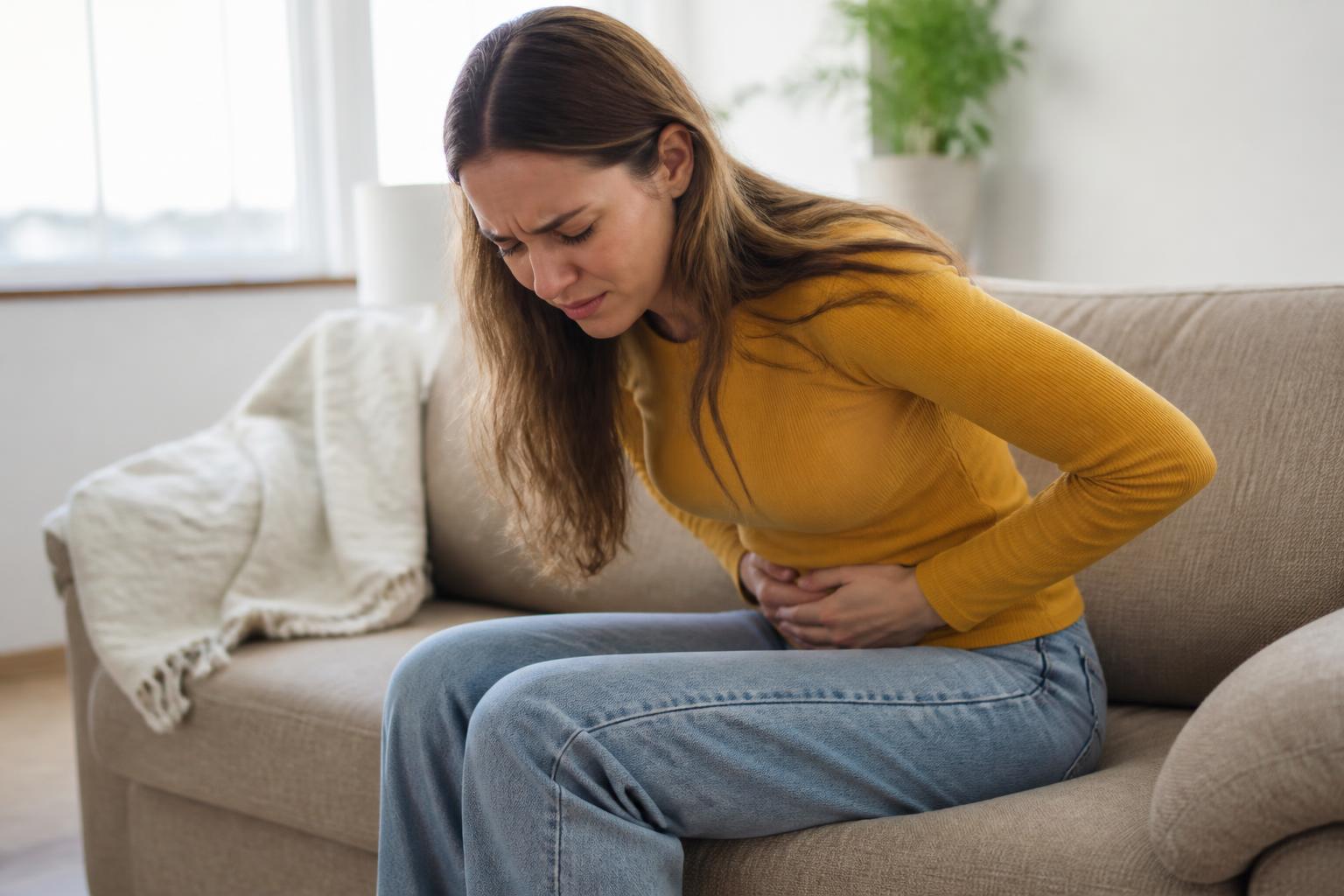
Haemorrhoids are cushions of blood vessels that everyone has in the anal canal; they help with continence. They become a problem when they swell and slide down, usually because of raised pressure from straining. Internal ones bleed painlessly, external ones can thrombose and be intensely painful.
Signs to look out for
- Bright red blood on the paper or coating the stool, not mixed into it
- A lump that appears on straining and may go back on its own or need pushing
- Itching, moisture and irritation around the anus
- Sudden severe pain with a hard blue lump, which is a thrombosed external pile
- A feeling of incomplete emptying
Why it happens
Chronic constipation and straining, prolonged sitting on the toilet with a phone, pregnancy and childbirth, heavy lifting, chronic cough and obesity all raise pressure in these vessels.
How doctors confirm it
Examination and anoscopy confirm the diagnosis and grade. Crucially, rectal bleeding must never be blamed on piles without excluding other causes: anyone over 45, or with weight loss, anaemia or a change in bowel habit, needs a colonoscopy.
Treatments and solutions
- Softening the stool: fibre to 25 to 30 g a day, plenty of water, and a bulking agent such as psyllium
- Toilet habits: go when the urge comes, limit sitting to a few minutes, use a footstool to raise the knees, avoid straining
- Short courses of topical creams and warm sitz baths for symptom relief
- Rubber band ligation in clinic for grade 1 to 3 internal piles, the commonest office procedure
- Surgery or stapled or artery-ligation techniques for large or persistent grade 3 to 4 disease, and incision within 72 hours for a painful thrombosed pile
Living with it day to day
Prevention is mostly bowel habit: fibre, fluid, movement, and never reading on the toilet. Most flare-ups settle within a week with these measures.
When to seek medical help
See a doctor for bleeding that persists beyond a week, dark blood or blood mixed into stool, weight loss, anaemia symptoms, or any change in bowel habit lasting over three weeks.
This article explains general health information in simple language. It does not replace advice from your own doctor.
The words explained
Medical terms used above, in everyday language.
- Chronic
- A problem that lasts a long time, usually more than three months, and often comes back.
- Symptom
- A sign you can feel or see that something is wrong, like pain, tiredness or a rash.
- Diagnosis
- The moment a doctor identifies which illness is causing your symptoms.
- Topical
- A treatment you apply on the skin, like a cream, gel or ointment.
- Prevention
- Steps taken before a problem starts, to make it less likely.
- Fibre
- The part of plant foods your body cannot digest; it feeds gut bacteria and helps digestion.
When should you see a doctor?
- Your symptoms last more than a few weeks or keep coming back.
- They get worse quickly, or stop you doing everyday things.
- You notice sudden pain, breathing trouble, fainting or bleeding — seek urgent care.
- You already take medication and want to change anything about it.
This article explains general health information. It does not replace advice from your own doctor.
Frequently asked questions
- What is Haemorrhoids: bleeding and discomfort that people hide?
- What actually causes piles, which grade you have, and the treatments that work.
- What are the main symptoms or signs of Haemorrhoids: bleeding and discomfort that people hide?
- Common signs vary from person to person. The article above lists the symptoms to watch for, how they progress, and when they need medical attention.
- When should you see a doctor for Haemorrhoids: bleeding and discomfort that people hide?
- See a doctor if symptoms last more than a few weeks, get worse quickly, stop you doing everyday things, or if you notice sudden pain, breathing trouble, fainting or bleeding.
Related health topics
Blood & Hematology
Haemophilia: when blood does not clot properly
What causes haemophilia A and B, why joints are the main target, and how prophylaxis prevents damage.
Digestive Health
Gut Microbiota: Your Second Brain
The gut microbiota regulates digestion, immunity, and even mood. Understanding its function to take care of it.
Digestive Health
Gastroesophageal Reflux: Soothing Heartburn
GERD affects 10 to 20% of adults. Postural measures, diet, and medication to regain comfort.
Digestive Health
Irritable Bowel Syndrome: Learning to Live with It
IBS affects 10 to 15% of the population. No organic lesion, but very real symptoms. The FODMAP diet and mind-body approaches are game-changers.
Digestive Health
Lactose intolerance: should you cut out all dairy products?
Lactose intolerance is dose-dependent. Most intolerant people can consume moderate amounts of dairy without symptoms.
Digestive Health
Celiac disease vs. gluten sensitivity: two different realities
Celiac disease is a serious autoimmune disease that requires a strict lifelong gluten-free diet. Non-celiac sensitivity is less understood.