
Lactose intolerance: should you cut out all dairy products?
The answer is almost always no.
Dr. Antoine Vasseur
Gastroenterologist
In simple terms
Lactose intolerance is dose-dependent. Most intolerant people can consume moderate amounts of dairy without symptoms.
What you need to remember
- Mechanism — Without sufficient lactase, undigested lactose ferments in the colon, producing gas, bloating, pain, and sometimes diarrhea.
- Diagnosis — Hydrogen breath test**: reference method, measures exhaled hydrogen after lactose ingestion
- What you can probably still consume — Aged cheeses**: Comté, Gruyère, Parmesan — contain very little lactose
- Beware of deficiencies — Completely eliminating dairy products exposes you to a risk of calcium deficiency.
Lactose intolerance results from a decrease in the activity of lactase, the enzyme that digests lactose (milk sugar). It affects 20 to 80% of the population depending on ethnic origin.
Mechanism
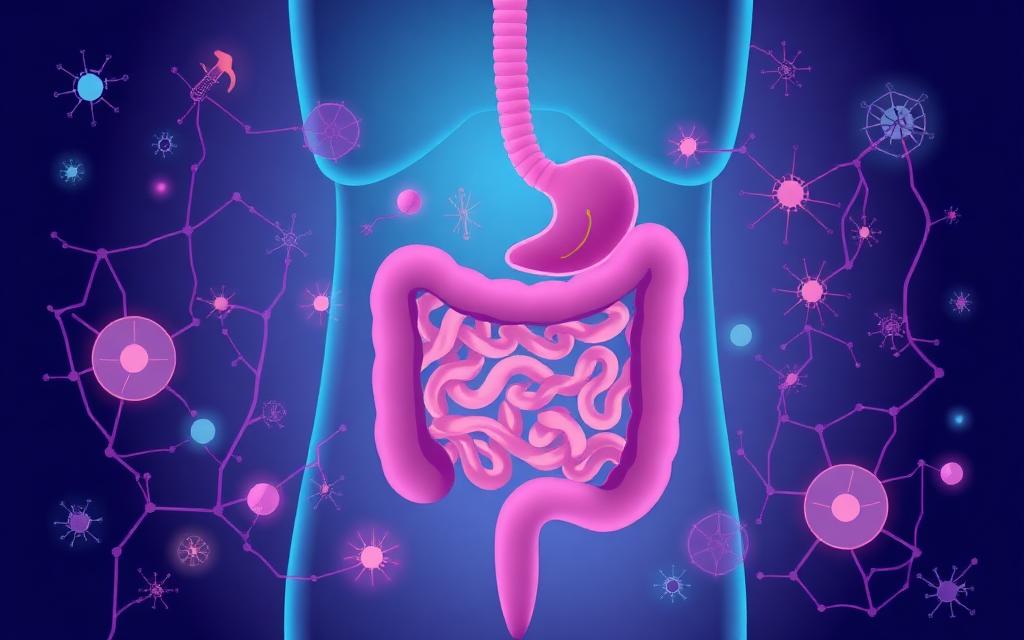
Without sufficient lactase, undigested lactose ferments in the colon, producing gas, bloating, pain, and sometimes diarrhea.
Diagnosis
- Hydrogen breath test: reference method, measures exhaled hydrogen after lactose ingestion
- Genetic test: identifies predisposition but does not predict symptom severity
- Elimination-reintroduction test: pragmatic and accessible
What you can probably still consume
- Aged cheeses: Comté, Gruyère, Parmesan — contain very little lactose
- Yogurts: lactic bacteria pre-digest some of the lactose
- Small amounts: up to 12 g of lactose (one glass of milk) are tolerated by most intolerant people when taken with a meal
- Lactose-free milk: same nutritional value, pre-digested lactose
Beware of deficiencies
Completely eliminating dairy products exposes you to a risk of calcium deficiency. Alternatives: calcium-rich mineral waters, green vegetables (broccoli, kale), almonds, canned sardines (with bones).
The words explained
Medical terms used above, in everyday language.
- Symptom
- A sign you can feel or see that something is wrong, like pain, tiredness or a rash.
- Diagnosis
- The moment a doctor identifies which illness is causing your symptoms.
- Genetic
- Passed down in your family through your genes.
When should you see a doctor?
- Your symptoms last more than a few weeks or keep coming back.
- They get worse quickly, or stop you doing everyday things.
- You notice sudden pain, breathing trouble, fainting or bleeding — seek urgent care.
- You already take medication and want to change anything about it.
This article explains general health information. It does not replace advice from your own doctor.
Frequently asked questions
- What is Lactose intolerance: should you cut out all dairy products??
- Lactose intolerance is dose-dependent. Most intolerant people can consume moderate amounts of dairy without symptoms.
- What are the main symptoms or signs of Lactose intolerance: should you cut out all dairy products??
- Common signs vary from person to person. The article above lists the symptoms to watch for, how they progress, and when they need medical attention.
- When should you see a doctor for Lactose intolerance: should you cut out all dairy products??
- See a doctor if symptoms last more than a few weeks, get worse quickly, stop you doing everyday things, or if you notice sudden pain, breathing trouble, fainting or bleeding.
Related health topics

Digestive Health
Gut Microbiota: Your Second Brain
The gut microbiota regulates digestion, immunity, and even mood. Understanding its function to take care of it.
Digestive Health
Gastroesophageal Reflux: Soothing Heartburn
GERD affects 10 to 20% of adults. Postural measures, diet, and medication to regain comfort.
Digestive Health
Irritable Bowel Syndrome: Learning to Live with It
IBS affects 10 to 15% of the population. No organic lesion, but very real symptoms. The FODMAP diet and mind-body approaches are game-changers.
Digestive Health
Celiac disease vs. gluten sensitivity: two different realities
Celiac disease is a serious autoimmune disease that requires a strict lifelong gluten-free diet. Non-celiac sensitivity is less understood.
Digestive Health
Crohn's Disease: Living With Chronic Inflammation
Crohn's disease causes patchy inflammation anywhere in the digestive tract and follows a relapsing course.
Digestive Health
Ulcerative Colitis: Managing Flares and Remissions
UC differs from Crohn's: inflammation is continuous, superficial, and confined to the colon and rectum.