Diverticulitis: when small pouches in the colon get infected
Left lower abdominal pain with fever
Dr. Marc Delaunay
Gastroenterologist
In simple terms
Why pouches form with age, how attacks are treated today, and what diet really changes.
What it is, in plain words
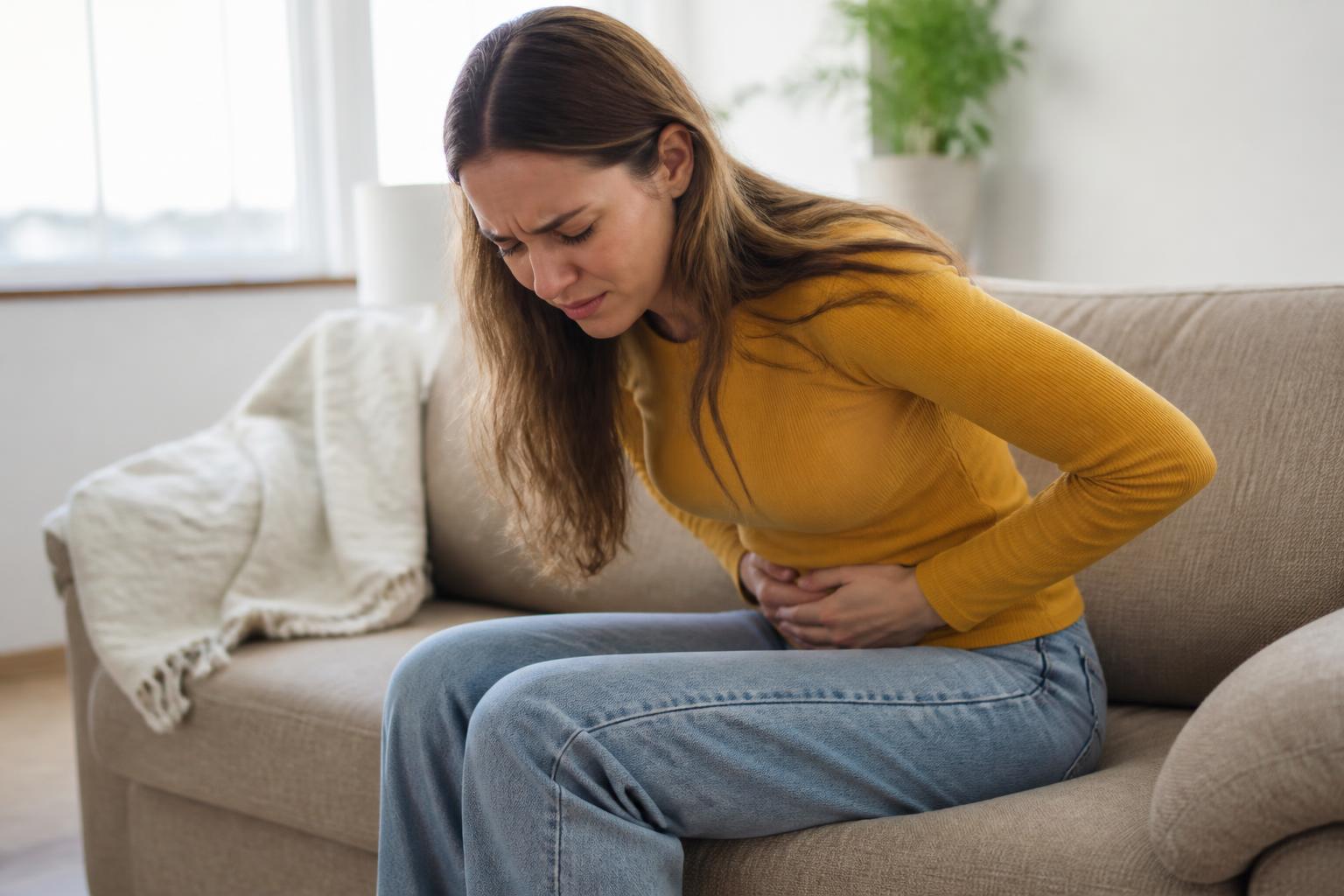
With age, small pouches called diverticula push out through weak points in the wall of the colon. Having them is called diverticulosis and is common and harmless. When one becomes inflamed or infected, you have diverticulitis, which causes pain, usually low on the left side.
Signs to look out for
- Persistent pain in the lower left abdomen, building over a day or two
- Fever and chills
- Change in bowel habit, constipation or diarrhoea
- Nausea, bloating and loss of appetite
- Urinary symptoms if the inflamed segment lies against the bladder
Why it happens
Low dietary fibre, constipation, age, obesity, smoking and regular anti-inflammatory painkillers increase risk. The old advice to avoid nuts, seeds and popcorn has been disproved and is no longer given.
How doctors confirm it
CT of the abdomen is the reference test: it confirms the diagnosis and shows complications such as abscess or perforation. Blood tests show raised inflammatory markers. A colonoscopy is arranged several weeks later to exclude other causes.
Treatments and solutions
- Mild uncomplicated attacks: rest, clear fluids then gradual reintroduction of food, and often no antibiotics at all in healthy people
- Antibiotics for immunosuppressed patients, significant fever, raised markers or comorbidity
- Hospital admission with intravenous antibiotics for complicated disease
- Radiologically guided drainage of an abscess
- Surgery for perforation, obstruction, fistula, or repeated disabling attacks
Living with it day to day
Between attacks, build up fibre gradually to about 30 g a day with vegetables, fruit, pulses and whole grains, drink enough water, exercise, stop smoking and keep weight in a healthy range: this measurably reduces recurrences.
When to seek medical help
Seek urgent care for severe or spreading abdominal pain, high fever, inability to pass wind or stool, or vomiting.
This article explains general health information in simple language. It does not replace advice from your own doctor.
The words explained
Medical terms used above, in everyday language.
- Inflammation
- The body's reaction to injury or irritation: redness, swelling, heat or pain.
- Symptom
- A sign you can feel or see that something is wrong, like pain, tiredness or a rash.
- Diagnosis
- The moment a doctor identifies which illness is causing your symptoms.
- Immune system
- Your body's defence team: cells that fight germs and repair damage.
- Antibiotic
- A medicine that kills bacteria. It does not work against viruses like colds or flu.
- Anti-inflammatory
- A medicine or food that calms swelling and pain.
When should you see a doctor?
- Your symptoms last more than a few weeks or keep coming back.
- They get worse quickly, or stop you doing everyday things.
- You notice sudden pain, breathing trouble, fainting or bleeding — seek urgent care.
- You already take medication and want to change anything about it.
This article explains general health information. It does not replace advice from your own doctor.
Frequently asked questions
- What is Diverticulitis: when small pouches in the colon get infected?
- Why pouches form with age, how attacks are treated today, and what diet really changes.
- What are the main symptoms or signs of Diverticulitis: when small pouches in the colon get infected?
- Common signs vary from person to person. The article above lists the symptoms to watch for, how they progress, and when they need medical attention.
- When should you see a doctor for Diverticulitis: when small pouches in the colon get infected?
- See a doctor if symptoms last more than a few weeks, get worse quickly, stop you doing everyday things, or if you notice sudden pain, breathing trouble, fainting or bleeding.
Related health topics
Cancer & Oncology
Colorectal Cancer: Why Screening from Age 50 is Vital
Colon cancer develops slowly from benign polyps. Detected and removed in time, the majority of colorectal cancers can be prevented.
Digestive Health
Gut Microbiota: Your Second Brain
The gut microbiota regulates digestion, immunity, and even mood. Understanding its function to take care of it.
Digestive Health
Gastroesophageal Reflux: Soothing Heartburn
GERD affects 10 to 20% of adults. Postural measures, diet, and medication to regain comfort.
Digestive Health
Irritable Bowel Syndrome: Learning to Live with It
IBS affects 10 to 15% of the population. No organic lesion, but very real symptoms. The FODMAP diet and mind-body approaches are game-changers.
Digestive Health
Lactose intolerance: should you cut out all dairy products?
Lactose intolerance is dose-dependent. Most intolerant people can consume moderate amounts of dairy without symptoms.
Digestive Health
Celiac disease vs. gluten sensitivity: two different realities
Celiac disease is a serious autoimmune disease that requires a strict lifelong gluten-free diet. Non-celiac sensitivity is less understood.