Your gut microbiome, explained simply
Trillions of bacteria with real jobs
Dr. Inès Bertin
Gastroenterologist

In simple terms
What the gut flora does, what damages it and what genuinely rebuilds it.
What lives in there
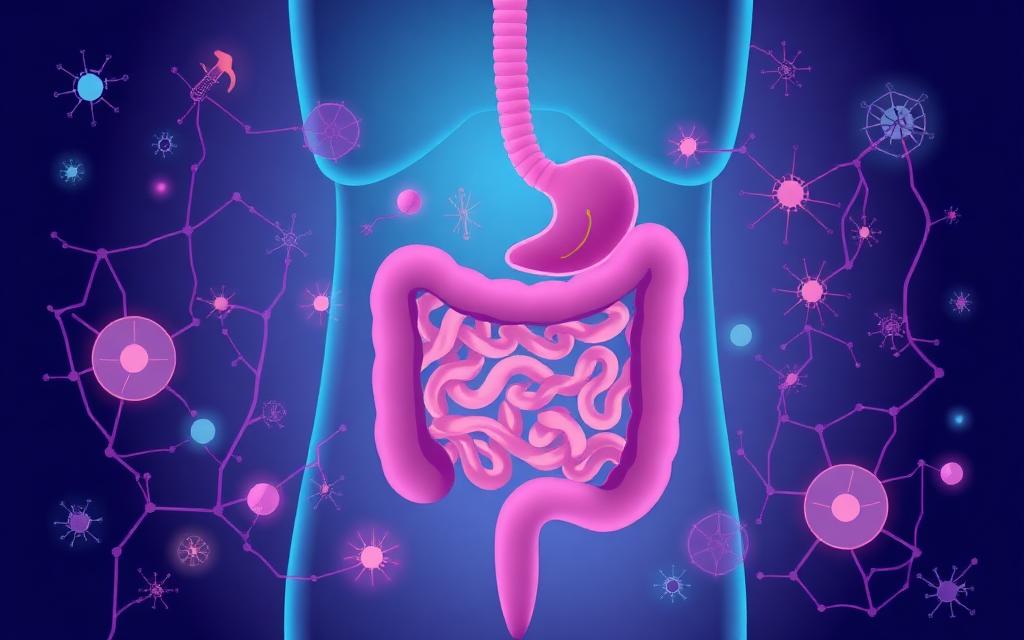
Your large intestine hosts around a hundred trillion microorganisms. They are not passengers: they ferment fibre you cannot digest, produce vitamins K and several B vitamins, train the immune system and keep harmful bacteria from taking over.
What upsets the balance
- Repeated antibiotic courses
- A diet low in plant fibre and high in ultra-processed food
- Chronic stress and poor sleep
- Very low alcohol tolerance and heavy drinking
What actually rebuilds it
Diversity of plants is the strongest lever. Aiming for around 30 different plant foods a week, counting herbs, nuts, seeds, pulses and whole grains, increases microbial diversity more than any single supplement. Fermented foods such as plain yoghurt, kefir, sauerkraut and kimchi add live microbes and have shown measurable anti-inflammatory effects.
About probiotic capsules
Specific strains help in specific situations, for example reducing antibiotic-associated diarrhoea. A generic capsule taken indefinitely has little proven benefit. Food first, supplements for a defined reason.
The words explained
Medical terms used above, in everyday language.
- Chronic
- A problem that lasts a long time, usually more than three months, and often comes back.
- Inflammation
- The body's reaction to injury or irritation: redness, swelling, heat or pain.
- Immune system
- Your body's defence team: cells that fight germs and repair damage.
- Antibiotic
- A medicine that kills bacteria. It does not work against viruses like colds or flu.
- Anti-inflammatory
- A medicine or food that calms swelling and pain.
- Fibre
- The part of plant foods your body cannot digest; it feeds gut bacteria and helps digestion.
When should you see a doctor?
- Your symptoms last more than a few weeks or keep coming back.
- They get worse quickly, or stop you doing everyday things.
- You notice sudden pain, breathing trouble, fainting or bleeding — seek urgent care.
- You already take medication and want to change anything about it.
This article explains general health information. It does not replace advice from your own doctor.
Frequently asked questions
- What is Your gut microbiome, explained simply?
- What the gut flora does, what damages it and what genuinely rebuilds it.
- What are the main symptoms or signs of Your gut microbiome, explained simply?
- Common signs vary from person to person. The article above lists the symptoms to watch for, how they progress, and when they need medical attention.
- When should you see a doctor for Your gut microbiome, explained simply?
- See a doctor if symptoms last more than a few weeks, get worse quickly, stop you doing everyday things, or if you notice sudden pain, breathing trouble, fainting or bleeding.
Related health topics
Digestive Health
Chronic constipation: more than not going every day
Definitions that make sense, causes to rule out, and a stepwise plan that works.
Digestive Health
Gut Microbiota: Your Second Brain
The gut microbiota regulates digestion, immunity, and even mood. Understanding its function to take care of it.
Digestive Health
Gastroesophageal Reflux: Soothing Heartburn
GERD affects 10 to 20% of adults. Postural measures, diet, and medication to regain comfort.
Digestive Health
Irritable Bowel Syndrome: Learning to Live with It
IBS affects 10 to 15% of the population. No organic lesion, but very real symptoms. The FODMAP diet and mind-body approaches are game-changers.
Digestive Health
Lactose intolerance: should you cut out all dairy products?
Lactose intolerance is dose-dependent. Most intolerant people can consume moderate amounts of dairy without symptoms.
Digestive Health
Celiac disease vs. gluten sensitivity: two different realities
Celiac disease is a serious autoimmune disease that requires a strict lifelong gluten-free diet. Non-celiac sensitivity is less understood.