
Chronic Urticaria: Hives That Won't Stop
Antihistamines at higher than label doses are usually safe and effective.
Dr. Sophie Renard
Dermatologist

In simple terms
Chronic spontaneous urticaria persists more than 6 weeks. It is usually not allergic — and is highly treatable.
What you need to remember
- Triage — Most cases are autoimmune or idiopathic.
- Treatment — Second-generation H1 antihistamines first-line, up to 4x standard dose
- Course — Most cases resolve within 1-5 years.
Itchy wheals appearing and disappearing within 24 hours, sometimes with angioedema. Usually not triggered by a specific allergen.
Triage
Most cases are autoimmune or idiopathic. Extensive allergy testing is rarely useful.
Treatment
- Second-generation H1 antihistamines first-line, up to 4x standard dose
- Add omalizumab for refractory disease
- Avoid known triggers: pressure, heat, NSAIDs in some patients
Course
Most cases resolve within 1-5 years. Symptom control rather than cure is the realistic short-term goal.
Daytime sedation from antihistamines is uncommon with modern agents at standard doses.
The words explained
Medical terms used above, in everyday language.
- Symptom
- A sign you can feel or see that something is wrong, like pain, tiredness or a rash.
When should you see a doctor?
- Your symptoms last more than a few weeks or keep coming back.
- They get worse quickly, or stop you doing everyday things.
- You notice sudden pain, breathing trouble, fainting or bleeding — seek urgent care.
- You already take medication and want to change anything about it.
This article explains general health information. It does not replace advice from your own doctor.
Frequently asked questions
- What is Chronic Urticaria: Hives That Won't Stop?
- Chronic spontaneous urticaria persists more than 6 weeks. It is usually not allergic — and is highly treatable.
- What are the main symptoms or signs of Chronic Urticaria: Hives That Won't Stop?
- Common signs vary from person to person. The article above lists the symptoms to watch for, how they progress, and when they need medical attention.
- When should you see a doctor for Chronic Urticaria: Hives That Won't Stop?
- See a doctor if symptoms last more than a few weeks, get worse quickly, stop you doing everyday things, or if you notice sudden pain, breathing trouble, fainting or bleeding.
Related health topics
Dermatology
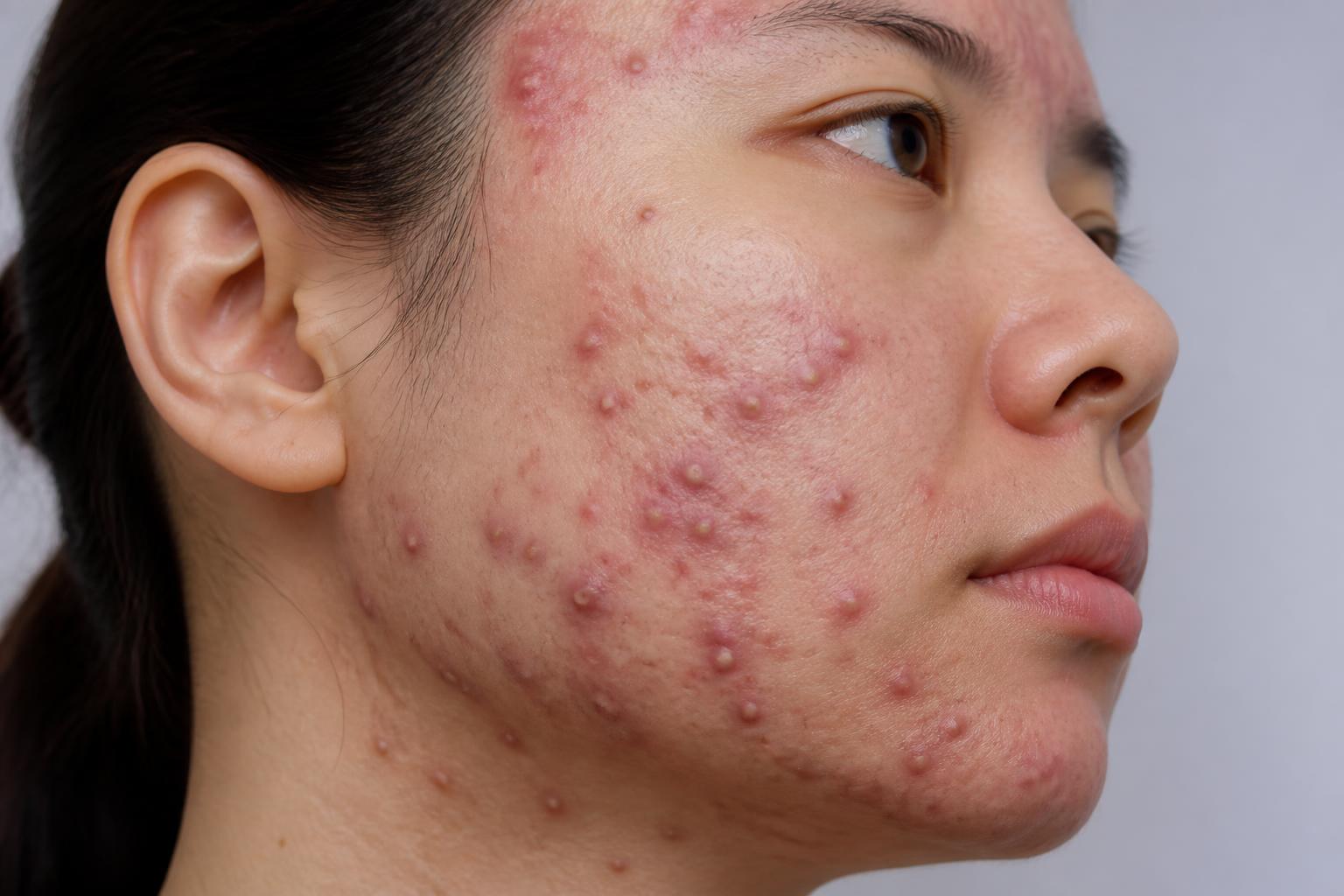
Adult Acne: Why It Persists and How to Treat It
Hormones, stress, diet: factors that perpetuate acne after 25 and validated dermatological approaches.
Dermatology
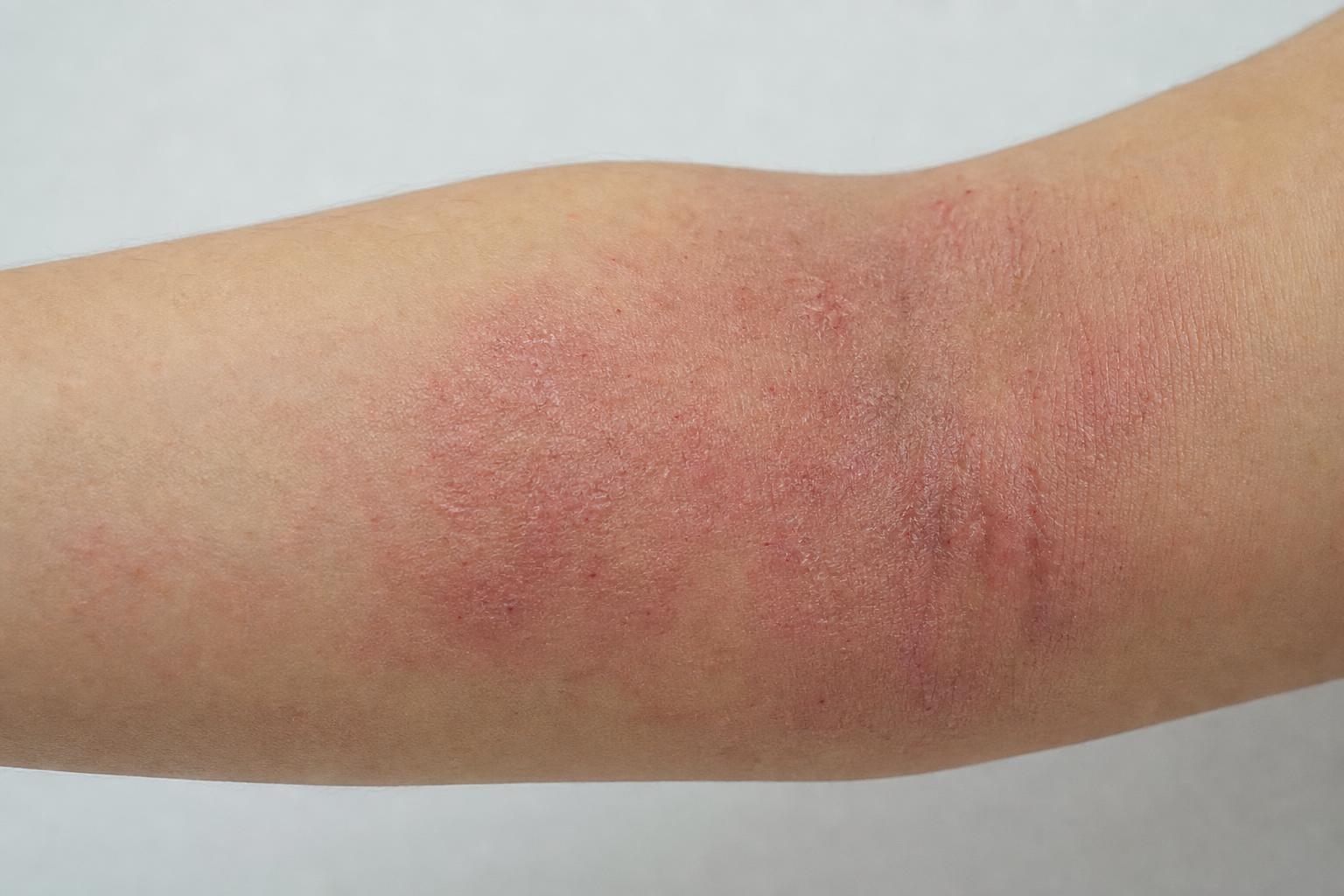
Atopic Eczema: Strategies to Soothe Flare-ups
Understand the mechanism of atopic dermatitis and adopt a skincare routine that reduces the frequency and intensity of flare-ups.
Dermatology
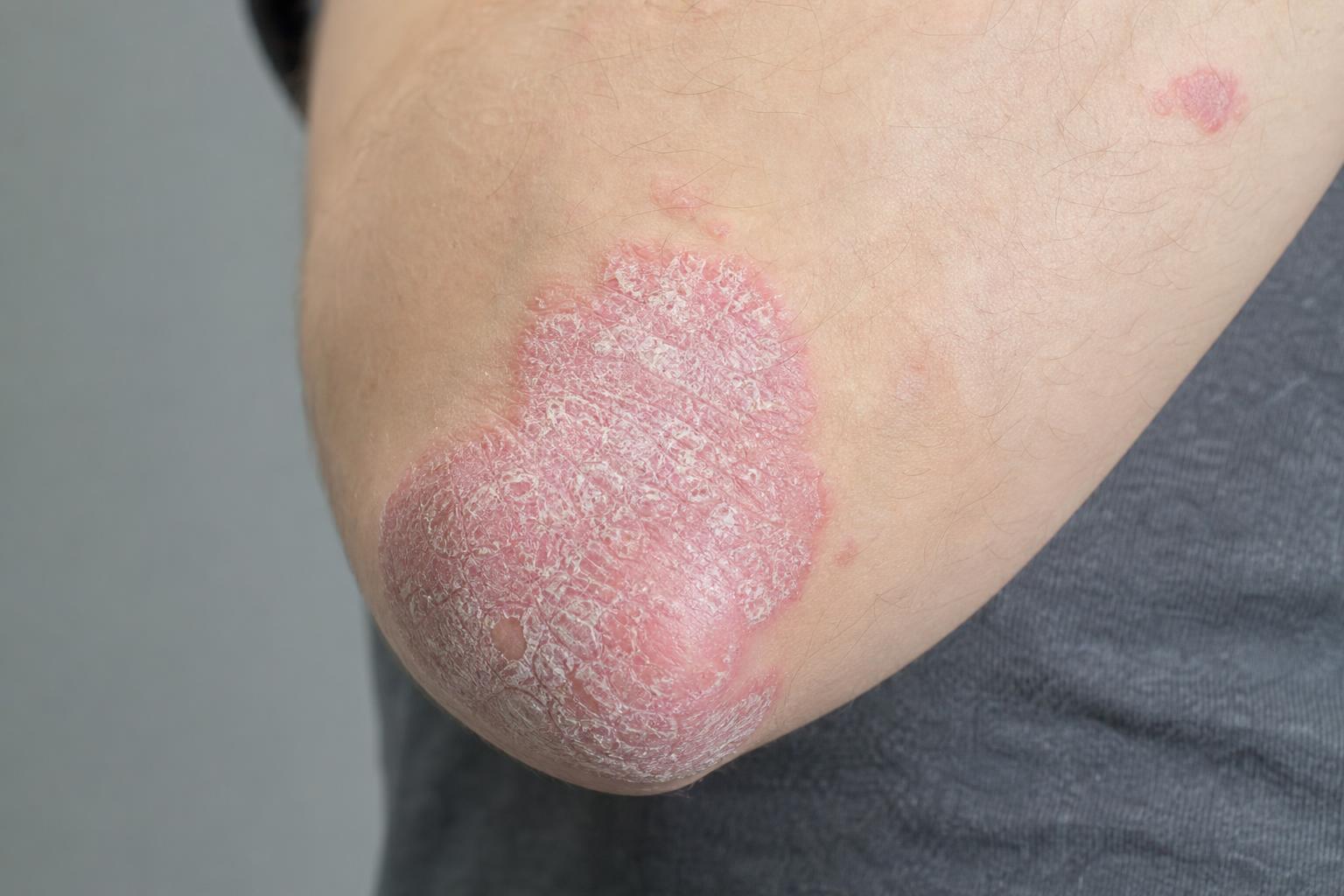
Psoriasis: Much More Than a Skin Problem
Psoriasis is a chronic autoimmune disease. Understanding its mechanisms helps to live better with it and choose the right treatments.

Allergies & Immunity
Chronic Hives: When the Welts Won't Go Away
Chronic spontaneous urticaria affects 1% of the population. Rarely allergic, it requires specific treatment.