Hypothyroidism: Common, Treatable, Often Missed
Persistent fatigue should not be dismissed.
Dr. Camille Ferraud
Endocrinologist

In simple terms
An underactive thyroid affects 1-5% of adults. Symptoms are subtle, but treatment is simple and effective.
What you need to remember
- Diagnosis — TSH measurement is the cornerstone.
- Treatment — Daily levothyroxine on an empty stomach, with TSH monitoring at 6-8 weeks and after each dose change.
- Special situations — Pregnancy increases thyroxine needs by 25-50% from early gestation; close monitoring is essential.
- Persistent fatigue
- Cold intolerance
- Weight gain or difficulty losing weight
- Dry skin and brittle hair
- Constipation
- Low mood and slowed thinking
Diagnosis
TSH measurement is the cornerstone. A high TSH with low free T4 confirms overt hypothyroidism; high TSH with normal T4 indicates a subclinical form.
Treatment
Daily levothyroxine on an empty stomach, with TSH monitoring at 6-8 weeks and after each dose change. Most patients return to full function within 2-3 months.
Special situations
Pregnancy increases thyroxine needs by 25-50% from early gestation; close monitoring is essential.
Avoid taking levothyroxine with calcium, iron or coffee: absorption can drop by 40%.
The words explained
Medical terms used above, in everyday language.
- Diagnosis
- The moment a doctor identifies which illness is causing your symptoms.
When should you see a doctor?
- Your symptoms last more than a few weeks or keep coming back.
- They get worse quickly, or stop you doing everyday things.
- You notice sudden pain, breathing trouble, fainting or bleeding — seek urgent care.
- You already take medication and want to change anything about it.
This article explains general health information. It does not replace advice from your own doctor.
Frequently asked questions
- What is Hypothyroidism: Common, Treatable, Often Missed?
- An underactive thyroid affects 1-5% of adults. Symptoms are subtle, but treatment is simple and effective.
- What are the main symptoms or signs of Hypothyroidism: Common, Treatable, Often Missed?
- Common signs vary from person to person. The article above lists the symptoms to watch for, how they progress, and when they need medical attention.
- When should you see a doctor for Hypothyroidism: Common, Treatable, Often Missed?
- See a doctor if symptoms last more than a few weeks, get worse quickly, stop you doing everyday things, or if you notice sudden pain, breathing trouble, fainting or bleeding.
Related health topics
Conditions
Thyroid: Hypothyroidism and Hyperthyroidism Explained
Thyroid dysfunctions affect 10% of the population, with a female predominance. Symptoms, diagnosis, and treatments.
Diabetes & Endocrinology
Hyperthyroidism: When the Thyroid Races
Graves' disease is the most common cause of an overactive thyroid in adults under 50.
Dermatology
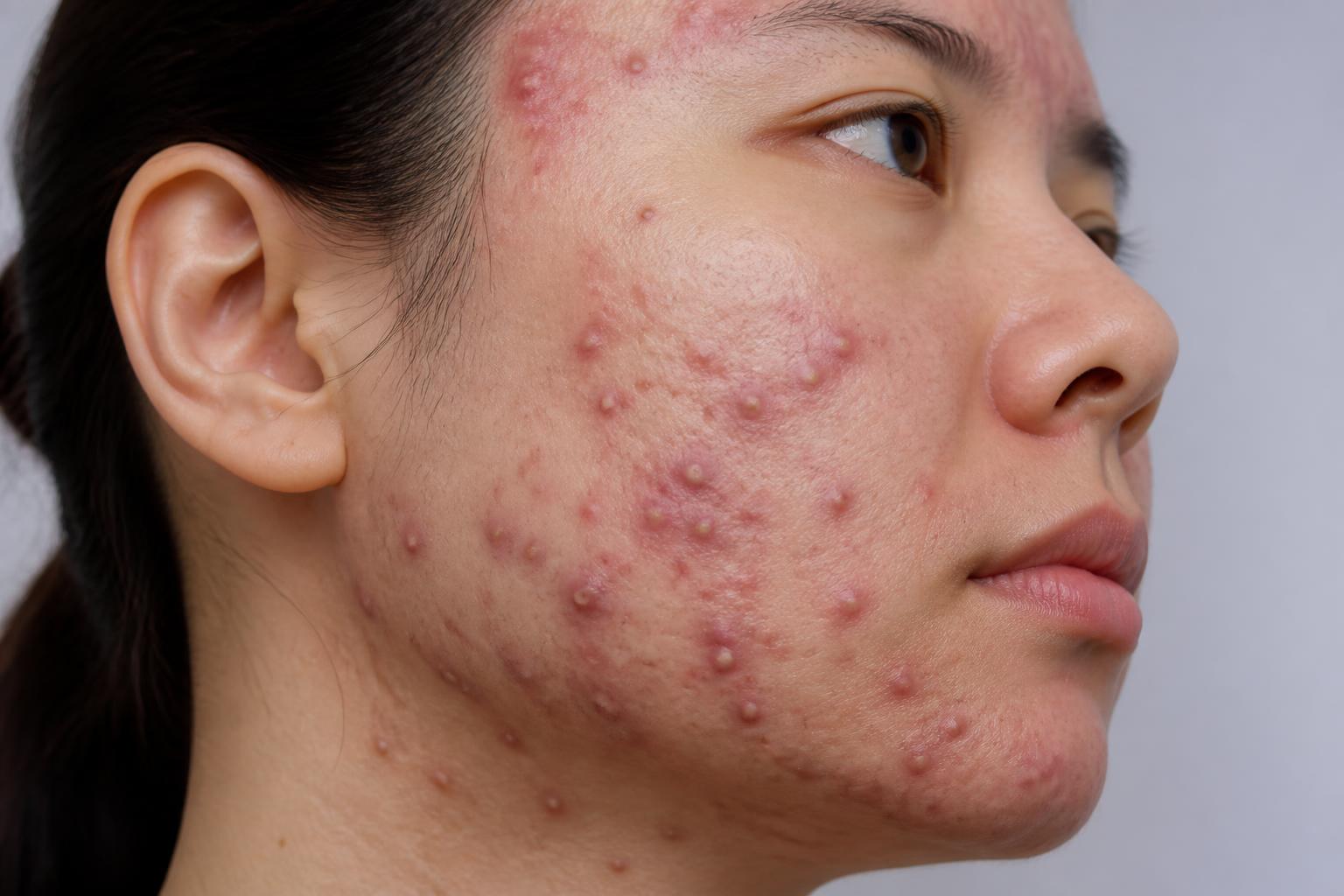
Adult Acne: Why It Persists and How to Treat It
Hormones, stress, diet: factors that perpetuate acne after 25 and validated dermatological approaches.

Diabetes & Endocrinology
Polycystic Ovary Syndrome: Far More Than Cysts
PCOS combines irregular periods, hyperandrogenism and metabolic features. Early diagnosis improves long-term outcomes.
Diabetes & Endocrinology
Cushing's Syndrome: Recognising Chronic Cortisol Excess
Cushing's syndrome is rare but its features overlap with common conditions, delaying diagnosis by years.
Healthy Aging
Menopause: A Transition, Not a Disease
The average age of menopause is 51. Modern guidance allows tailored hormone therapy for women who need it.