Menopause: A Transition, Not a Disease
Hormone therapy has a renewed, well-defined place.
Dr. Mathilde Carron
Gynecologist
In simple terms
The average age of menopause is 51. Modern guidance allows tailored hormone therapy for women who need it.
What you need to remember
- Hormone therapy — Most effective treatment for vasomotor symptoms; transdermal oestrogen reduces venous thrombosis risk versus oral.
- Non-hormonal options — SSRIs, SNRIs, gabapentin, fezolinetant (NK3-receptor antagonist).
- Long-term health — Address cardiovascular risk, bone health, sexual health and pelvic floor — menopause is a moment to optimise these for the next decades.
Hot flushes, night sweats, sleep disturbance, mood changes, vaginal dryness, joint aches, brain fog.
Hormone therapy
Most effective treatment for vasomotor symptoms; transdermal oestrogen reduces venous thrombosis risk versus oral. Add progesterone if uterus present.
Non-hormonal options
SSRIs, SNRIs, gabapentin, fezolinetant (NK3-receptor antagonist). CBT for hot flushes is effective.
Long-term health
Address cardiovascular risk, bone health, sexual health and pelvic floor — menopause is a moment to optimise these for the next decades.
Vaginal oestrogen treats genitourinary symptoms safely, even decades after menopause, with negligible systemic absorption.
The words explained
Medical terms used above, in everyday language.
- Symptom
- A sign you can feel or see that something is wrong, like pain, tiredness or a rash.
- Hormone
- A chemical messenger made by your body that tells organs what to do.
- Cardiovascular
- Related to the heart and blood vessels.
When should you see a doctor?
- Your symptoms last more than a few weeks or keep coming back.
- They get worse quickly, or stop you doing everyday things.
- You notice sudden pain, breathing trouble, fainting or bleeding — seek urgent care.
- You already take medication and want to change anything about it.
This article explains general health information. It does not replace advice from your own doctor.
Frequently asked questions
- What is Menopause: A Transition, Not a Disease?
- The average age of menopause is 51. Modern guidance allows tailored hormone therapy for women who need it.
- What are the main symptoms or signs of Menopause: A Transition, Not a Disease?
- Common signs vary from person to person. The article above lists the symptoms to watch for, how they progress, and when they need medical attention.
- When should you see a doctor for Menopause: A Transition, Not a Disease?
- See a doctor if symptoms last more than a few weeks, get worse quickly, stop you doing everyday things, or if you notice sudden pain, breathing trouble, fainting or bleeding.
Related health topics

Diabetes & Endocrinology
Polycystic Ovary Syndrome: Far More Than Cysts
PCOS combines irregular periods, hyperandrogenism and metabolic features. Early diagnosis improves long-term outcomes.
Dermatology
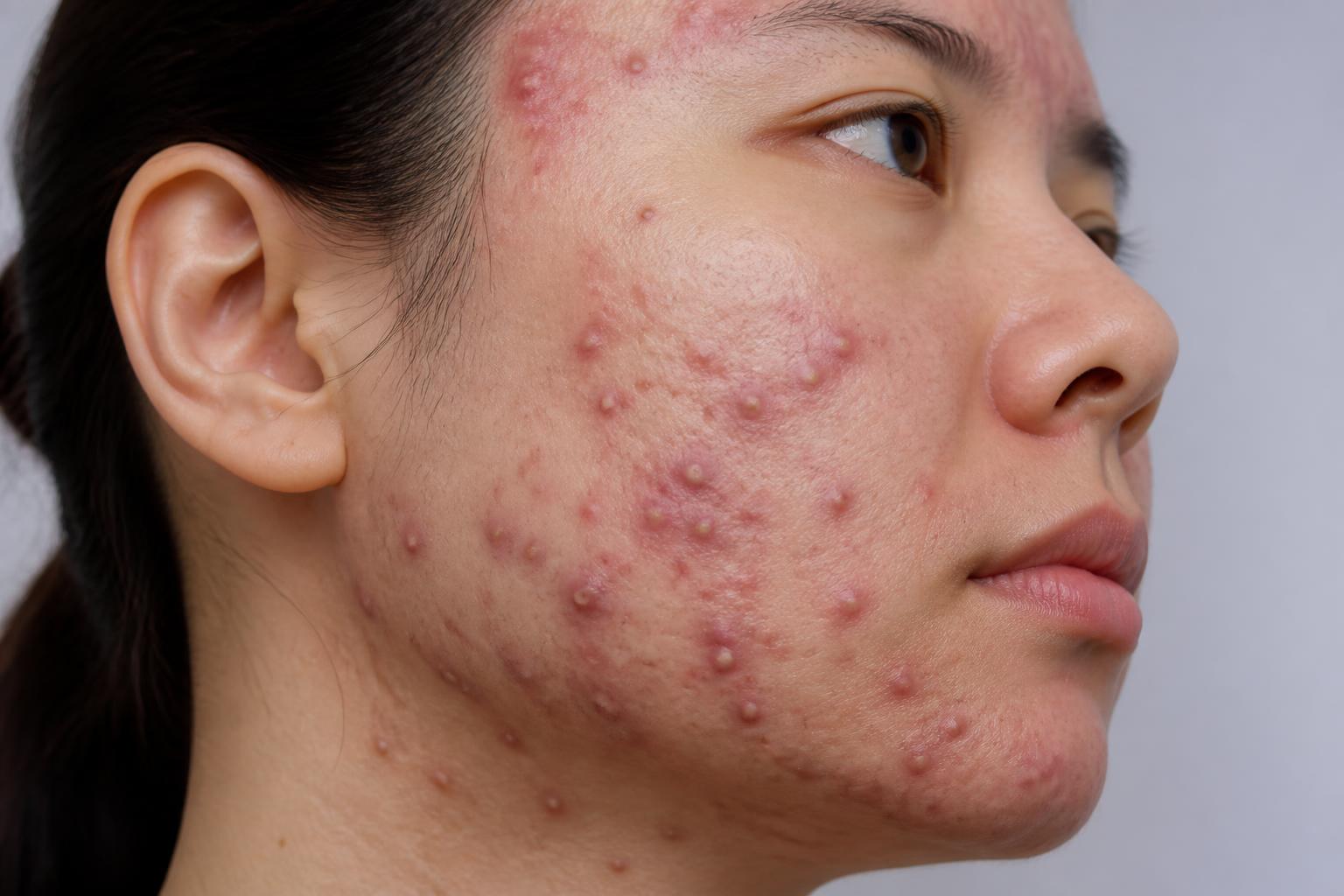
Adult Acne: Why It Persists and How to Treat It
Hormones, stress, diet: factors that perpetuate acne after 25 and validated dermatological approaches.

Fitness
Strength training for women: debunking the myths
Women benefit as much as men from strength training: bone mass, metabolism, confidence. Let's deconstruct misconceptions.
Conditions
Thyroid: Hypothyroidism and Hyperthyroidism Explained
Thyroid dysfunctions affect 10% of the population, with a female predominance. Symptoms, diagnosis, and treatments.
Diabetes & Endocrinology
Hypothyroidism: Common, Treatable, Often Missed
An underactive thyroid affects 1-5% of adults. Symptoms are subtle, but treatment is simple and effective.
Diabetes & Endocrinology
Hyperthyroidism: When the Thyroid Races
Graves' disease is the most common cause of an overactive thyroid in adults under 50.