Polycystic Ovary Syndrome: Far More Than Cysts
A metabolic and reproductive syndrome affecting 1 in 10 women.
Dr. Camille Ferraud
Endocrinologist

In simple terms
PCOS combines irregular periods, hyperandrogenism and metabolic features. Early diagnosis improves long-term outcomes.
What you need to remember
- Common features — Acne, hirsutism, scalp hair thinning, weight gain, insulin resistance, and difficulty conceiving.
- Long-term risks — Type 2 diabetes, dyslipidaemia, sleep apnea and endometrial hyperplasia.
- Treatment — Lifestyle interventions remain foundational
Two of three: irregular ovulation, clinical or biochemical hyperandrogenism, polycystic ovarian morphology on ultrasound — after excluding other causes.
Common features
Acne, hirsutism, scalp hair thinning, weight gain, insulin resistance, and difficulty conceiving.
Long-term risks
Type 2 diabetes, dyslipidaemia, sleep apnea and endometrial hyperplasia. Regular screening matters.
Treatment
- Lifestyle interventions remain foundational
- Combined oral contraceptives regulate cycles and reduce androgens
- Metformin for metabolic features
- Letrozole as first-line ovulation induction for fertility
PCOS is heterogeneous: treatment must be tailored to each woman's priorities.
The words explained
Medical terms used above, in everyday language.
- Insulin
- The hormone that lets sugar move from your blood into your cells for energy.
- Screening
- A check-up done before you feel ill, to catch a problem early.
When should you see a doctor?
- Your symptoms last more than a few weeks or keep coming back.
- They get worse quickly, or stop you doing everyday things.
- You notice sudden pain, breathing trouble, fainting or bleeding — seek urgent care.
- You already take medication and want to change anything about it.
This article explains general health information. It does not replace advice from your own doctor.
Frequently asked questions
- What is Polycystic Ovary Syndrome: Far More Than Cysts?
- PCOS combines irregular periods, hyperandrogenism and metabolic features. Early diagnosis improves long-term outcomes.
- What are the main symptoms or signs of Polycystic Ovary Syndrome: Far More Than Cysts?
- Common signs vary from person to person. The article above lists the symptoms to watch for, how they progress, and when they need medical attention.
- When should you see a doctor for Polycystic Ovary Syndrome: Far More Than Cysts?
- See a doctor if symptoms last more than a few weeks, get worse quickly, stop you doing everyday things, or if you notice sudden pain, breathing trouble, fainting or bleeding.
Related health topics
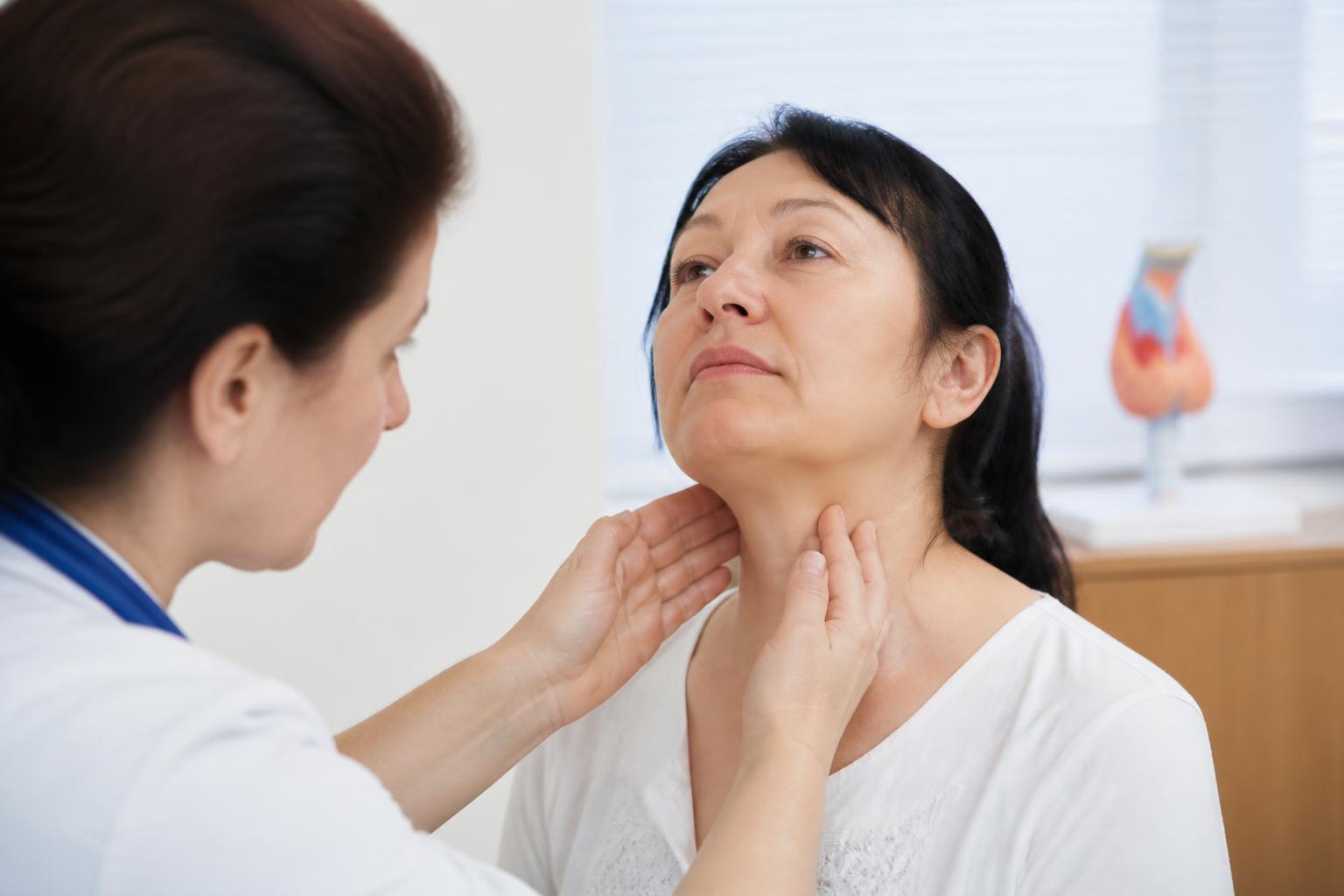
Healthy Aging
Menopause: A Transition, Not a Disease
The average age of menopause is 51. Modern guidance allows tailored hormone therapy for women who need it.
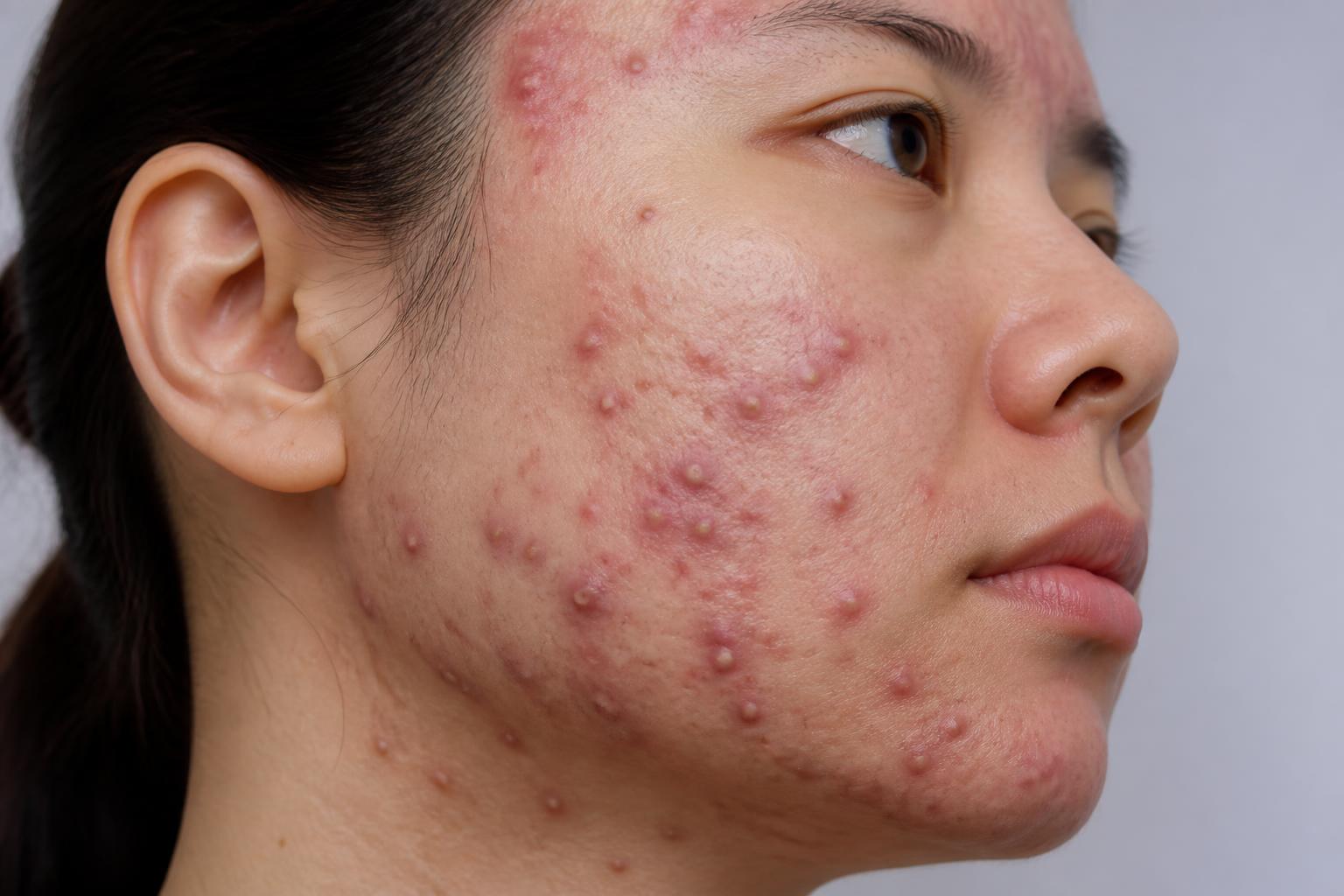
Dermatology
Adult Acne: Why It Persists and How to Treat It
Hormones, stress, diet: factors that perpetuate acne after 25 and validated dermatological approaches.

Fitness
Strength training for women: debunking the myths
Women benefit as much as men from strength training: bone mass, metabolism, confidence. Let's deconstruct misconceptions.
Conditions
Thyroid: Hypothyroidism and Hyperthyroidism Explained
Thyroid dysfunctions affect 10% of the population, with a female predominance. Symptoms, diagnosis, and treatments.
Diabetes & Endocrinology
Hypothyroidism: Common, Treatable, Often Missed
An underactive thyroid affects 1-5% of adults. Symptoms are subtle, but treatment is simple and effective.
Diabetes & Endocrinology
Hyperthyroidism: When the Thyroid Races
Graves' disease is the most common cause of an overactive thyroid in adults under 50.