
Lupus: A Disease of Many Faces
Modern care has turned lupus into a manageable chronic illness.
Dr. Inès Da Costa
Internist

In simple terms
Systemic lupus erythematosus mimics many other diseases. Early recognition matters for organ protection.
What you need to remember
- Diagnosis — Combination of clinical findings, autoantibodies (ANA, anti-dsDNA, anti-Sm) and complement levels.
- Treatment — Hydroxychloroquine for nearly all patients
- Daily life — Strict sun protection, vaccination, cardiovascular risk control.
Joint pain, fatigue, malar rash, photosensitivity, mouth ulcers, pleuritic chest pain. Kidney, neurological and haematological involvement determine prognosis.
Diagnosis
Combination of clinical findings, autoantibodies (ANA, anti-dsDNA, anti-Sm) and complement levels.
Treatment
- Hydroxychloroquine for nearly all patients
- Glucocorticoids at lowest possible dose
- Immunosuppressants for organ involvement
- Biologics (belimumab, anifrolumab) for refractory disease
Daily life
Strict sun protection, vaccination, cardiovascular risk control. Pregnancy planning matters: stable disease for 6 months reduces complications.
Hydroxychloroquine reduces flares, organ damage and mortality: it should be lifelong unless contraindicated.
The words explained
Medical terms used above, in everyday language.
- Diagnosis
- The moment a doctor identifies which illness is causing your symptoms.
- Immune system
- Your body's defence team: cells that fight germs and repair damage.
- Cardiovascular
- Related to the heart and blood vessels.
- Vaccine
- A safe training session for your immune system, so it can fight a germ later.
When should you see a doctor?
- Your symptoms last more than a few weeks or keep coming back.
- They get worse quickly, or stop you doing everyday things.
- You notice sudden pain, breathing trouble, fainting or bleeding — seek urgent care.
- You already take medication and want to change anything about it.
This article explains general health information. It does not replace advice from your own doctor.
Frequently asked questions
- What is Lupus: A Disease of Many Faces?
- Systemic lupus erythematosus mimics many other diseases. Early recognition matters for organ protection.
- What are the main symptoms or signs of Lupus: A Disease of Many Faces?
- Common signs vary from person to person. The article above lists the symptoms to watch for, how they progress, and when they need medical attention.
- When should you see a doctor for Lupus: A Disease of Many Faces?
- See a doctor if symptoms last more than a few weeks, get worse quickly, stop you doing everyday things, or if you notice sudden pain, breathing trouble, fainting or bleeding.
Related health topics
Conditions
Systemic Lupus: A Chameleon Disease
Lupus mimics many diseases; fatigue, arthralgia, malar rash, and cytopenias suggest it.
Dermatology
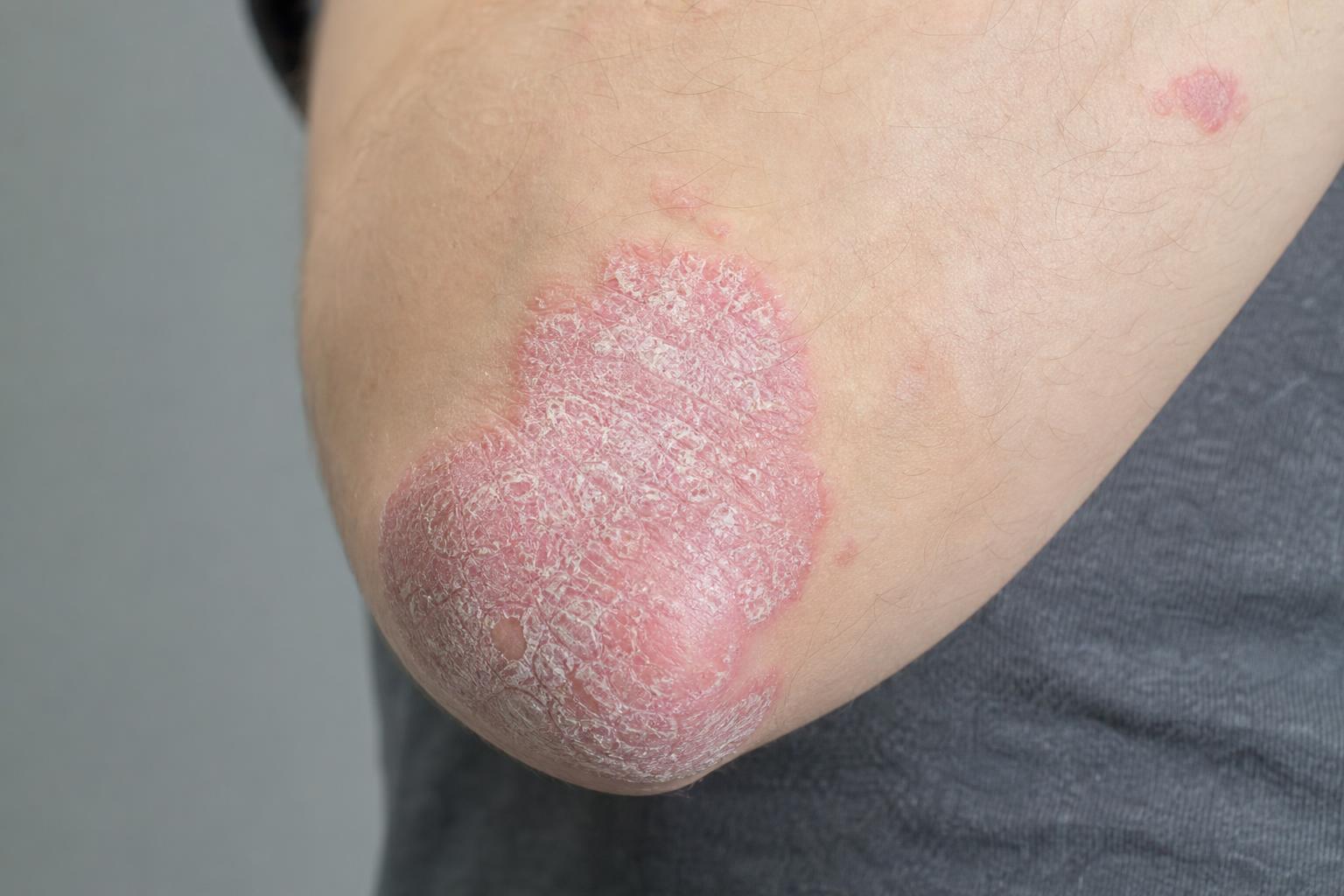
Psoriasis: Much More Than a Skin Problem
Psoriasis is a chronic autoimmune disease. Understanding its mechanisms helps to live better with it and choose the right treatments.

Digestive Health
Celiac disease vs. gluten sensitivity: two different realities
Celiac disease is a serious autoimmune disease that requires a strict lifelong gluten-free diet. Non-celiac sensitivity is less understood.

Neurology
Multiple Sclerosis: A Disease of the Young Adult
MS commonly starts between 20 and 40. Modern disease-modifying therapies have transformed the prognosis.

Diabetes & Endocrinology
Type 1 Diabetes: A Lifelong Autoimmune Disease
Type 1 diabetes accounts for 5-10% of all diabetes and most often appears in children and young adults.
Allergies & Immunity
Rheumatoid Arthritis: Early Treatment Saves Joints
Rheumatoid arthritis is an autoimmune joint disease where rapid, intensive treatment dramatically alters long-term outcomes.