Rheumatoid Arthritis: Early Treatment Saves Joints
The first six months are a therapeutic window.
Dr. Inès Da Costa
Rheumatologist

In simple terms
Rheumatoid arthritis is an autoimmune joint disease where rapid, intensive treatment dramatically alters long-term outcomes.
What you need to remember
- Early diagnosis — RF and anti-CCP antibodies, inflammatory markers, joint ultrasound or MRI.
- Treatment — Methotrexate remains first-line
- Comorbidities — RA roughly doubles cardiovascular risk.
Symmetrical small-joint swelling (hands, feet), morning stiffness lasting more than an hour, fatigue. Untreated, it leads to joint destruction within years.
Early diagnosis
RF and anti-CCP antibodies, inflammatory markers, joint ultrasound or MRI. Refer to rheumatology within 6 weeks of suspected disease.
Treatment
- Methotrexate remains first-line
- Combine with short-course steroids during initiation
- Biologics (anti-TNF, anti-IL6, JAK inhibitors) for inadequate response
Comorbidities
RA roughly doubles cardiovascular risk. Smoking cessation and cardiovascular prevention are essential.
Treat-to-target with regular reassessment outperforms fixed-regimen care.
The words explained
Medical terms used above, in everyday language.
- Inflammation
- The body's reaction to injury or irritation: redness, swelling, heat or pain.
- Diagnosis
- The moment a doctor identifies which illness is causing your symptoms.
- Cardiovascular
- Related to the heart and blood vessels.
- Prevention
- Steps taken before a problem starts, to make it less likely.
- Antibody
- A protein your body makes to recognise and neutralise a specific germ.
When should you see a doctor?
- Your symptoms last more than a few weeks or keep coming back.
- They get worse quickly, or stop you doing everyday things.
- You notice sudden pain, breathing trouble, fainting or bleeding — seek urgent care.
- You already take medication and want to change anything about it.
This article explains general health information. It does not replace advice from your own doctor.
Frequently asked questions
- What is Rheumatoid Arthritis: Early Treatment Saves Joints?
- Rheumatoid arthritis is an autoimmune joint disease where rapid, intensive treatment dramatically alters long-term outcomes.
- What are the main symptoms or signs of Rheumatoid Arthritis: Early Treatment Saves Joints?
- Common signs vary from person to person. The article above lists the symptoms to watch for, how they progress, and when they need medical attention.
- When should you see a doctor for Rheumatoid Arthritis: Early Treatment Saves Joints?
- See a doctor if symptoms last more than a few weeks, get worse quickly, stop you doing everyday things, or if you notice sudden pain, breathing trouble, fainting or bleeding.
Related health topics
Dermatology
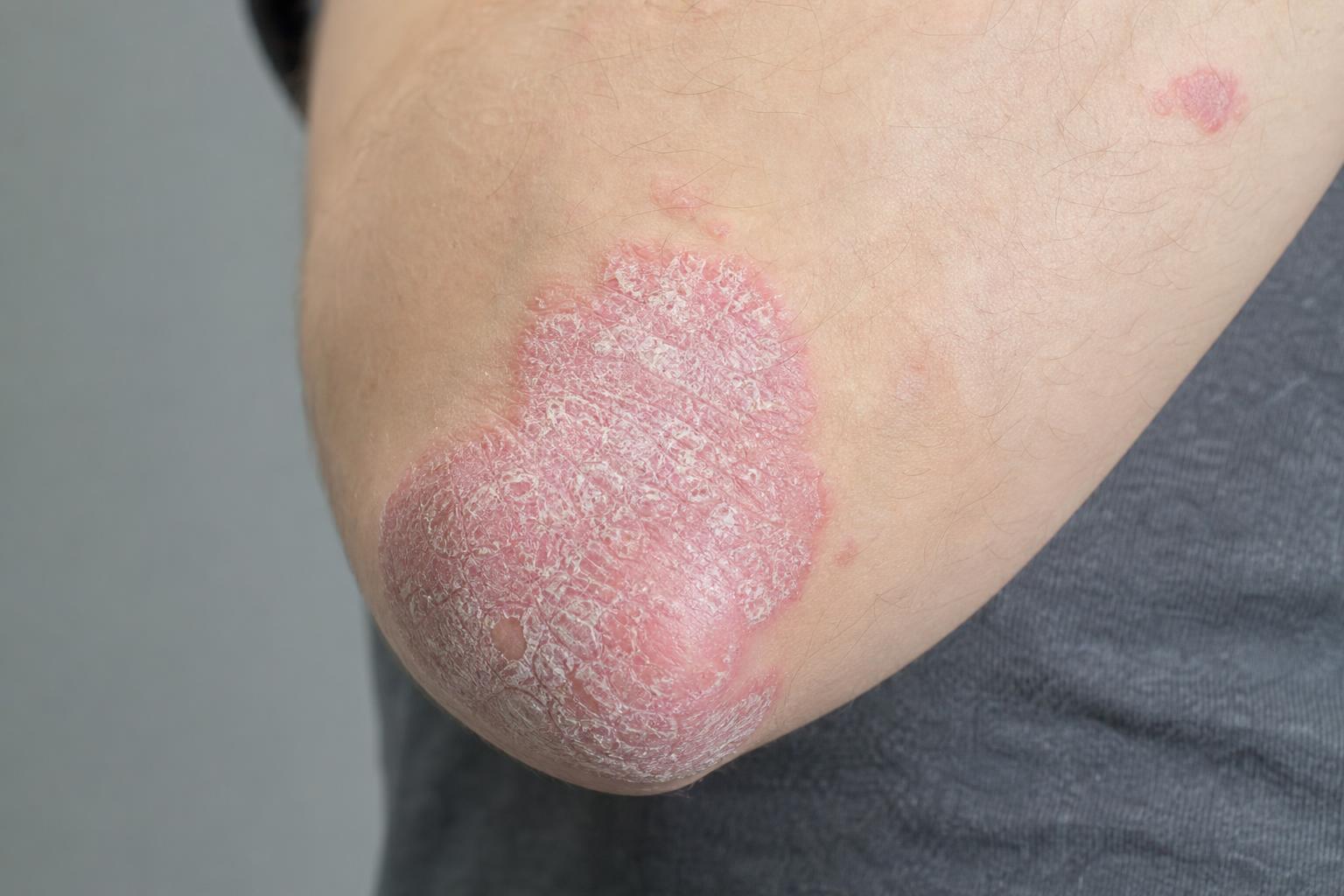
Psoriasis: Much More Than a Skin Problem
Psoriasis is a chronic autoimmune disease. Understanding its mechanisms helps to live better with it and choose the right treatments.

Digestive Health
Celiac disease vs. gluten sensitivity: two different realities
Celiac disease is a serious autoimmune disease that requires a strict lifelong gluten-free diet. Non-celiac sensitivity is less understood.

Neurology
Multiple Sclerosis: A Disease of the Young Adult
MS commonly starts between 20 and 40. Modern disease-modifying therapies have transformed the prognosis.

Diabetes & Endocrinology
Type 1 Diabetes: A Lifelong Autoimmune Disease
Type 1 diabetes accounts for 5-10% of all diabetes and most often appears in children and young adults.
Allergies & Immunity
Lupus: A Disease of Many Faces
Systemic lupus erythematosus mimics many other diseases. Early recognition matters for organ protection.
Fitness
Osteoarthritis: Movement Is Medicine
Osteoarthritis is the most common joint disease, but the old advice to 'rest the joint' is wrong.