
Gestational Diabetes: Understanding, Screening, and Management
Sugar to monitor closely.
Dr. Claire Beaumont
Gynecologist-Obstetrician

In simple terms
Gestational diabetes affects 6 to 9% of pregnancies. Systematic screening and early management protect both mother and child.
What you need to remember
- Screening — The 75g oral glucose tolerance test (OGTT) is performed between 24 and 28 weeks of amenorrhea.
- Risks if Untreated — For the mother: pre-eclampsia, C-section, subsequent type 2 diabetes.
- Management — Diet**: carbohydrate distribution throughout the day, low glycemic index, 3 meals + 2-3 snacks
Gestational diabetes is a glucose intolerance disorder first diagnosed during pregnancy. It results from physiological insulin resistance amplified by individual risk factors.
Risk Factors
- Maternal age > 35 years
- Pre-pregnancy BMI > 25
- Personal history of gestational diabetes
- Family history of type 2 diabetes
- Fetal macrosomia in a previous pregnancy
Screening
The 75g oral glucose tolerance test (OGTT) is performed between 24 and 28 weeks of amenorrhea. Diagnostic thresholds (IADPSG criteria) are:
- Fasting: at least 0.92 g/L
- At 1 hour: at least 1.80 g/L
- At 2 hours: at least 1.53 g/L
Risks if Untreated
For the mother: pre-eclampsia, C-section, subsequent type 2 diabetes. For the child: macrosomia (large baby), neonatal hypoglycemia, respiratory distress.
Management
- Diet: carbohydrate distribution throughout the day, low glycemic index, 3 meals + 2-3 snacks
- Blood glucose self-monitoring: 4 to 6 measurements/day
- Physical activity: 30 minutes of walking after meals
- Insulin: if glycemic targets are not met despite lifestyle and diet measures
The words explained
Medical terms used above, in everyday language.
- Diagnosis
- The moment a doctor identifies which illness is causing your symptoms.
- Risk factor
- Something that makes an illness more likely, such as smoking or family history.
- Insulin
- The hormone that lets sugar move from your blood into your cells for energy.
- Blood sugar
- The amount of sugar circulating in your blood, your body's main fuel.
- BMI
- A simple number from your weight and height used as a rough guide to healthy weight.
- Screening
- A check-up done before you feel ill, to catch a problem early.
When should you see a doctor?
- Your symptoms last more than a few weeks or keep coming back.
- They get worse quickly, or stop you doing everyday things.
- You notice sudden pain, breathing trouble, fainting or bleeding — seek urgent care.
- You already take medication and want to change anything about it.
This article explains general health information. It does not replace advice from your own doctor.
Frequently asked questions
- What is Gestational Diabetes: Understanding, Screening, and Management?
- Gestational diabetes affects 6 to 9% of pregnancies. Systematic screening and early management protect both mother and child.
- What are the main symptoms or signs of Gestational Diabetes: Understanding, Screening, and Management?
- Common signs vary from person to person. The article above lists the symptoms to watch for, how they progress, and when they need medical attention.
- When should you see a doctor for Gestational Diabetes: Understanding, Screening, and Management?
- See a doctor if symptoms last more than a few weeks, get worse quickly, stop you doing everyday things, or if you notice sudden pain, breathing trouble, fainting or bleeding.
Related health topics
Pregnancy & Maternity
Gestational Diabetes: Pregnancy Care That Matters Beyond Birth
Gestational diabetes affects 5-15% of pregnancies depending on population. Lifestyle measures usually suffice.
Dermatology
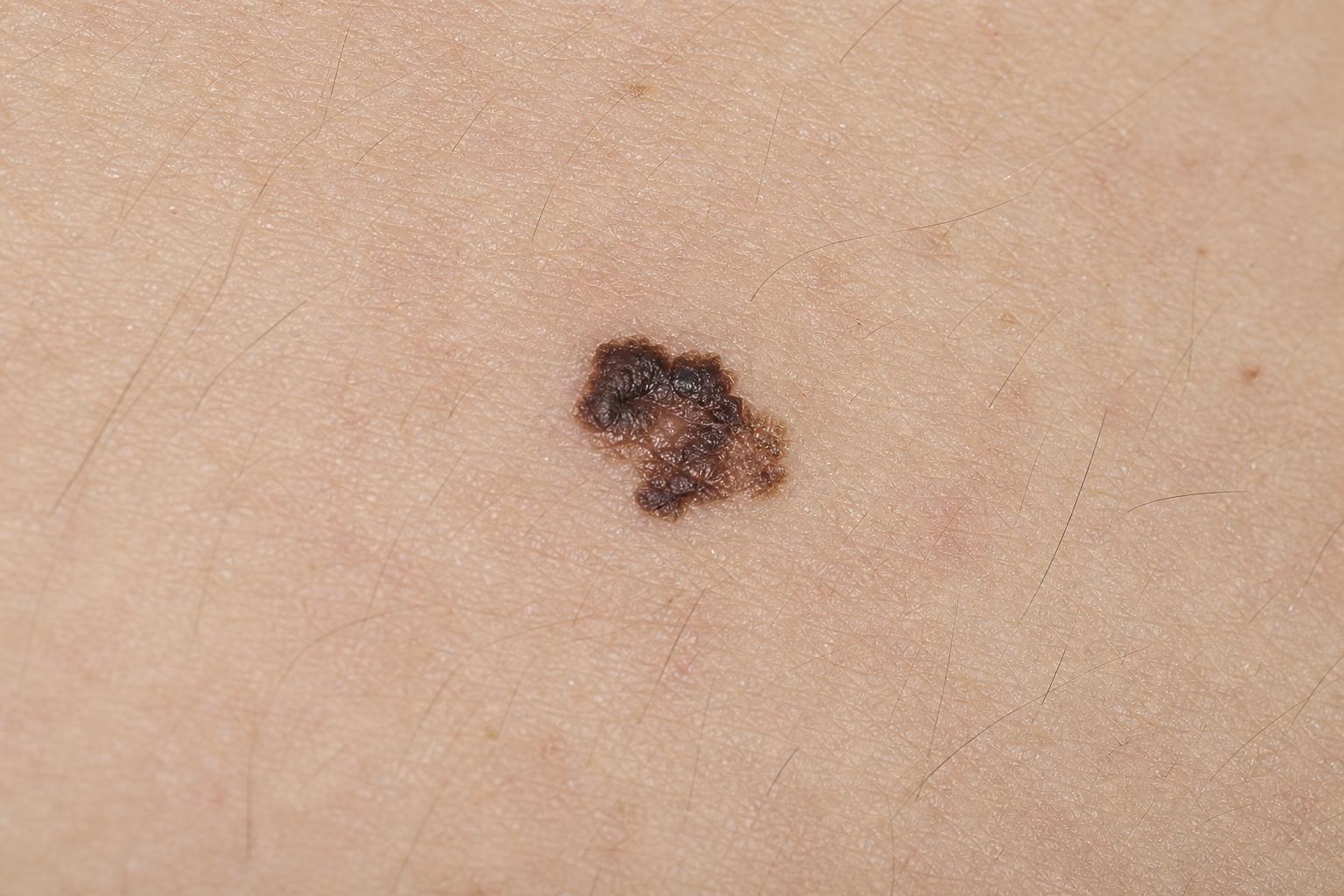
Melanoma: Warning Signs to Know
The ABCDE rule helps identify suspicious moles. Melanoma detected early has a survival rate of over 95%.

Pregnancy & Maternity
Exercise and Pregnancy: What's Recommended (and What's Not)
Physical activity reduces the risk of gestational diabetes, pre-eclampsia, and postpartum depression. A guide to adapted practices.
Conditions
Type 2 Diabetes: 7 Actions to Reduce Your Risk by 58%
The DPP study showed: an active lifestyle and modest weight loss reduce the risk of type 2 diabetes by 58%, compared to 31% for metformin.
Diabetes & Endocrinology
Type 1 Diabetes: A Lifelong Autoimmune Disease
Type 1 diabetes accounts for 5-10% of all diabetes and most often appears in children and young adults.
Diabetes & Endocrinology
Type 2 Diabetes: Prevention Is Possible
Type 2 diabetes affects over 460 million adults. Modest weight loss reduces incidence by more than half.