Exercise and Pregnancy: What's Recommended (and What's Not)
Moving while pregnant is beneficial, provided you choose wisely.
Dr. Claire Beaumont
Obstetrician-Gynecologist

In simple terms
Physical activity reduces the risk of gestational diabetes, pre-eclampsia, and postpartum depression. A guide to adapted practices.
What you need to remember
- Proven Benefits — % reduction in gestational diabetes risk
- Recommended Activities — Brisk walking**: accessible to everyone, throughout pregnancy
- Activities to Avoid — Contact sports (boxing, judo, rugby)
- Immediate Stop Signs — Vaginal bleeding, painful contractions, fluid leakage, excessive shortness of breath, dizziness or chest pain: stop and consult.
International recommendations are clear: in the absence of obstetric contraindications, pregnant women should engage in at least 150 minutes of moderate physical activity per week.
Proven Benefits
- 25% reduction in gestational diabetes risk
- Decreased risk of pre-eclampsia
- Better weight gain control
- Reduced lower back pain
- Improved sleep and mood
- Potentially shorter labor
Recommended Activities
- Brisk walking: accessible to everyone, throughout pregnancy
- Swimming: water buoyancy, no joint impact
- Prenatal yoga: flexibility, breathing, childbirth preparation
- Stationary cycling: no risk of falling
- Light strength training: with moderate weights
Activities to Avoid
- Contact sports (boxing, judo, rugby)
- Sports with a risk of falling (skiing, horseback riding, climbing)
- Scuba diving (risk to the fetus)
- Exercise at altitude > 2500 m without acclimatization
- Prolonged supine position after the first trimester
Immediate Stop Signs
Vaginal bleeding, painful contractions, fluid leakage, excessive shortness of breath, dizziness or chest pain: stop and consult.
When should you see a doctor?
- Your symptoms last more than a few weeks or keep coming back.
- They get worse quickly, or stop you doing everyday things.
- You notice sudden pain, breathing trouble, fainting or bleeding — seek urgent care.
- You already take medication and want to change anything about it.
This article explains general health information. It does not replace advice from your own doctor.
Frequently asked questions
- What is Exercise and Pregnancy: What's Recommended (and What's Not)?
- Physical activity reduces the risk of gestational diabetes, pre-eclampsia, and postpartum depression. A guide to adapted practices.
- What are the main symptoms or signs of Exercise and Pregnancy: What's Recommended (and What's Not)?
- Common signs vary from person to person. The article above lists the symptoms to watch for, how they progress, and when they need medical attention.
- When should you see a doctor for Exercise and Pregnancy: What's Recommended (and What's Not)?
- See a doctor if symptoms last more than a few weeks, get worse quickly, stop you doing everyday things, or if you notice sudden pain, breathing trouble, fainting or bleeding.
Related health topics
Pregnancy & Maternity
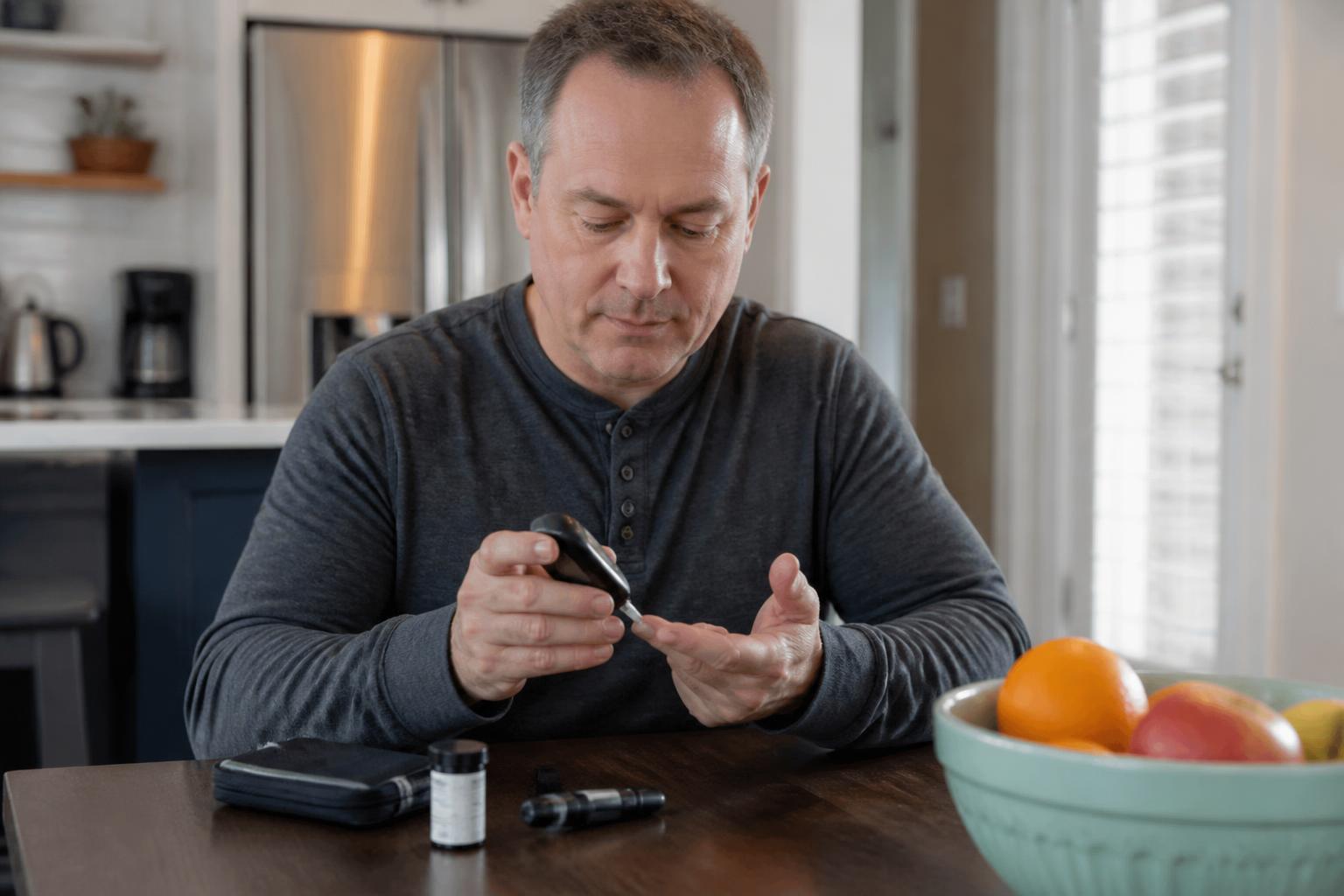
Gestational Diabetes: Understanding, Screening, and Management
Gestational diabetes affects 6 to 9% of pregnancies. Systematic screening and early management protect both mother and child.
Pregnancy & Maternity
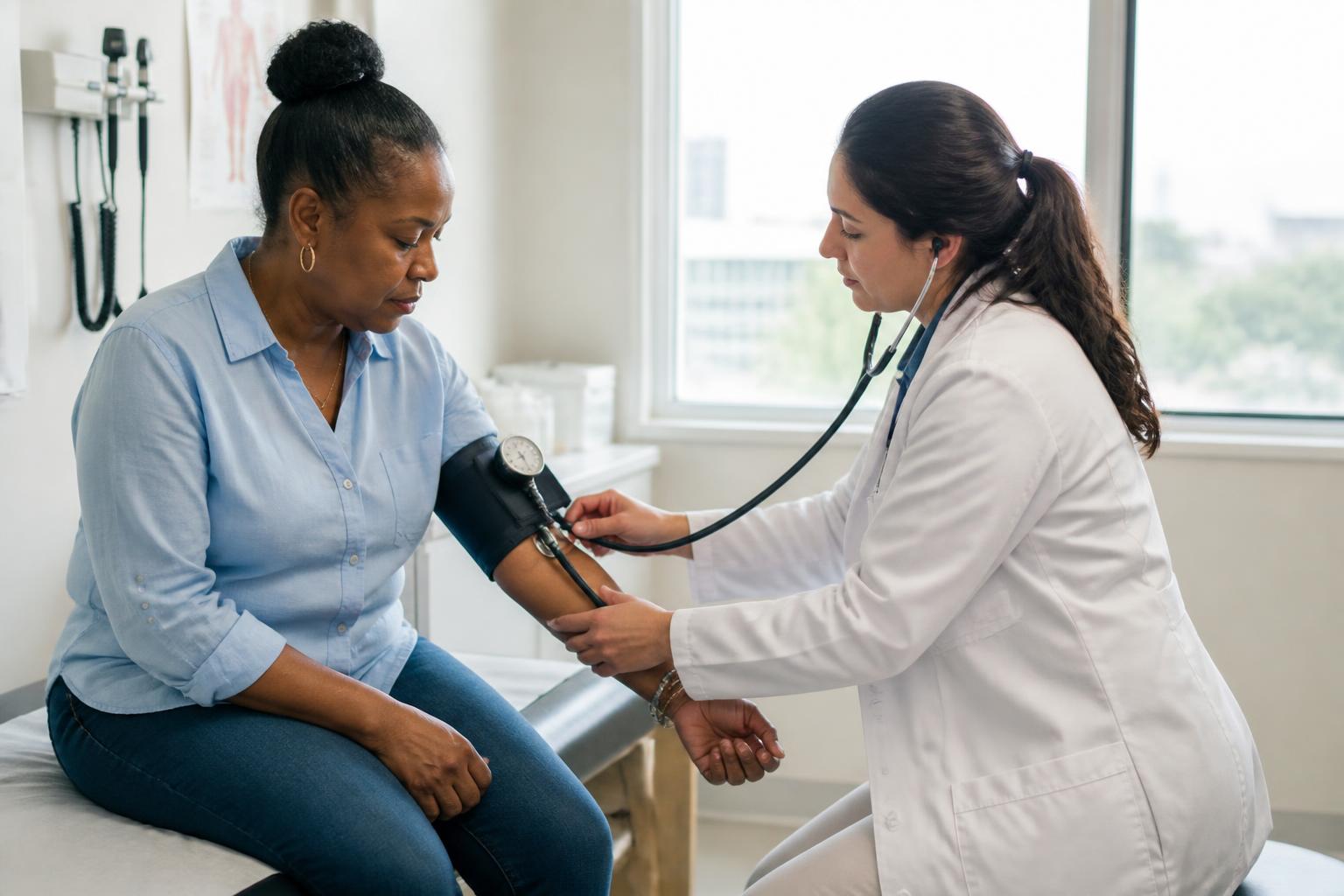
Preeclampsia: A Pregnancy Complication to Catch Early
Preeclampsia complicates 3-5% of pregnancies and remains a leading cause of maternal and fetal morbidity worldwide.
Pregnancy & Maternity
Gestational Diabetes: Pregnancy Care That Matters Beyond Birth
Gestational diabetes affects 5-15% of pregnancies depending on population. Lifestyle measures usually suffice.