
Melanoma: Warning Signs to Know
Detect early to cure better.
Dr. Sophie Renard
Dermatologist
In simple terms
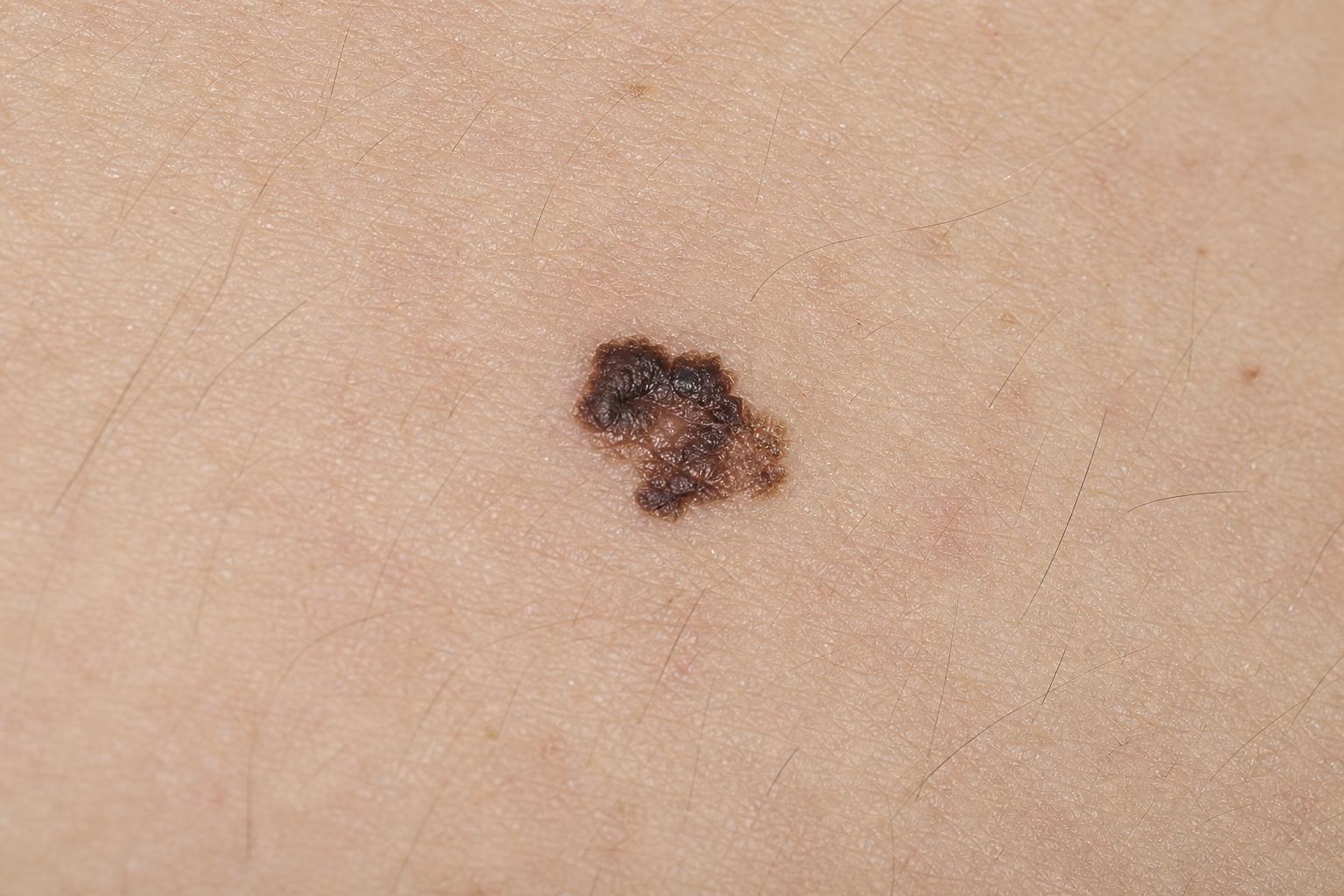
The ABCDE rule helps identify suspicious moles. Melanoma detected early has a survival rate of over 95%.
What you need to remember
- The ABCDE rule — This simple method helps identify suspicious moles:
- Risk factors — Fair skin, light eyes, red or blond hair
- When to consult — Any skin lesion that changes in appearance, bleeds spontaneously, or appears de novo after age 30 warrants a dermatological consultation.
Melanoma is the most serious skin cancer, but also one of the most curable when detected early. In France, approximately 15,000 new cases are diagnosed each year.
The ABCDE rule
This simple method helps identify suspicious moles:
- A — Asymmetry: one half of the mole does not match the other
- B — Border: irregular, notched, or poorly defined edges
- C — Color: varied shades (brown, black, red, white, blue) within the same lesion
- D — Diameter: larger than 6 mm (size of a pencil eraser)
- E — Evolving: any change in size, shape, color, or thickness
Risk factors
- Fair skin, light eyes, red or blond hair
- History of severe sunburns in childhood
- High number of moles (> 50)
- Family history of melanoma
- Use of tanning beds
When to consult
Any skin lesion that changes in appearance, bleeds spontaneously, or appears de novo after age 30 warrants a dermatological consultation. Dermoscopic examination allows visualization of structures invisible to the naked eye.
A quarterly skin self-exam, combined with annual dermatological consultation for people at risk, remains the best screening strategy.
The words explained
Medical terms used above, in everyday language.
- Diagnosis
- The moment a doctor identifies which illness is causing your symptoms.
- Risk factor
- Something that makes an illness more likely, such as smoking or family history.
- Screening
- A check-up done before you feel ill, to catch a problem early.
When should you see a doctor?
- Your symptoms last more than a few weeks or keep coming back.
- They get worse quickly, or stop you doing everyday things.
- You notice sudden pain, breathing trouble, fainting or bleeding — seek urgent care.
- You already take medication and want to change anything about it.
This article explains general health information. It does not replace advice from your own doctor.
Frequently asked questions
- What is Melanoma: Warning Signs to Know?
- The ABCDE rule helps identify suspicious moles. Melanoma detected early has a survival rate of over 95%.
- What are the main symptoms or signs of Melanoma: Warning Signs to Know?
- Common signs vary from person to person. The article above lists the symptoms to watch for, how they progress, and when they need medical attention.
- When should you see a doctor for Melanoma: Warning Signs to Know?
- See a doctor if symptoms last more than a few weeks, get worse quickly, stop you doing everyday things, or if you notice sudden pain, breathing trouble, fainting or bleeding.
Related health topics
Pregnancy & Maternity
Gestational Diabetes: Understanding, Screening, and Management
Gestational diabetes affects 6 to 9% of pregnancies. Systematic screening and early management protect both mother and child.

Cancer & Oncology
Breast Cancer: The Value of Early Detection
Breast cancer is the most common cancer in women worldwide. Early-stage disease has excellent cure rates.
Cancer & Oncology
Colorectal Cancer: Highly Preventable
Colorectal cancer is the third most common cancer worldwide. Removing precancerous polyps prevents most cases.

Cancer & Oncology
Lung Cancer: Symptoms Often Appear Late
Lung cancer remains the leading cause of cancer death globally. Earlier diagnosis dramatically changes survival.
Cancer & Oncology
Melanoma: Detecting Suspicious Moles Early
Melanoma is the deadliest skin cancer, but caught early it is nearly always curable.
Pregnancy & Maternity
Gestational Diabetes: Pregnancy Care That Matters Beyond Birth
Gestational diabetes affects 5-15% of pregnancies depending on population. Lifestyle measures usually suffice.