
Colorectal Cancer: Highly Preventable
Screening can intercept the disease at the polyp stage.
Dr. Anne-Sophie Lefèvre
Oncologist

In simple terms
Colorectal cancer is the third most common cancer worldwide. Removing precancerous polyps prevents most cases.
What you need to remember
- Warning signs — Persistent change in bowel habit, blood in stool, iron deficiency anaemia, unexplained weight loss, or abdominal pain warrant prompt evaluation.
- Modifiable risk factors — Processed meat and excess red meat
- Treatment — Surgery cures most localized cancers.
FIT (faecal immunochemical test) every 1-2 years and colonoscopy every 10 years are the main strategies. Family history may justify earlier or more frequent screening.
Warning signs
Persistent change in bowel habit, blood in stool, iron deficiency anaemia, unexplained weight loss, or abdominal pain warrant prompt evaluation.
Modifiable risk factors
- Processed meat and excess red meat
- Low fibre intake
- Sedentary lifestyle
- Obesity
- Tobacco and alcohol
Treatment
Surgery cures most localized cancers. Adjuvant chemotherapy, targeted agents and immunotherapy improve outcomes in advanced disease.
FIT tests are painless, done at home, and detect about 80% of cancers when used regularly.
The words explained
Medical terms used above, in everyday language.
- Risk factor
- Something that makes an illness more likely, such as smoking or family history.
- Immune system
- Your body's defence team: cells that fight germs and repair damage.
- Screening
- A check-up done before you feel ill, to catch a problem early.
- Fibre
- The part of plant foods your body cannot digest; it feeds gut bacteria and helps digestion.
When should you see a doctor?
- Your symptoms last more than a few weeks or keep coming back.
- They get worse quickly, or stop you doing everyday things.
- You notice sudden pain, breathing trouble, fainting or bleeding — seek urgent care.
- You already take medication and want to change anything about it.
This article explains general health information. It does not replace advice from your own doctor.
Frequently asked questions
- What is Colorectal Cancer: Highly Preventable?
- Colorectal cancer is the third most common cancer worldwide. Removing precancerous polyps prevents most cases.
- What are the main symptoms or signs of Colorectal Cancer: Highly Preventable?
- Common signs vary from person to person. The article above lists the symptoms to watch for, how they progress, and when they need medical attention.
- When should you see a doctor for Colorectal Cancer: Highly Preventable?
- See a doctor if symptoms last more than a few weeks, get worse quickly, stop you doing everyday things, or if you notice sudden pain, breathing trouble, fainting or bleeding.
Related health topics

Dermatology
Sunscreen: Separating Fact from Fiction
The sun is essential but dangerous in excess. An overview of evidence-based dermatological recommendations.
Dermatology
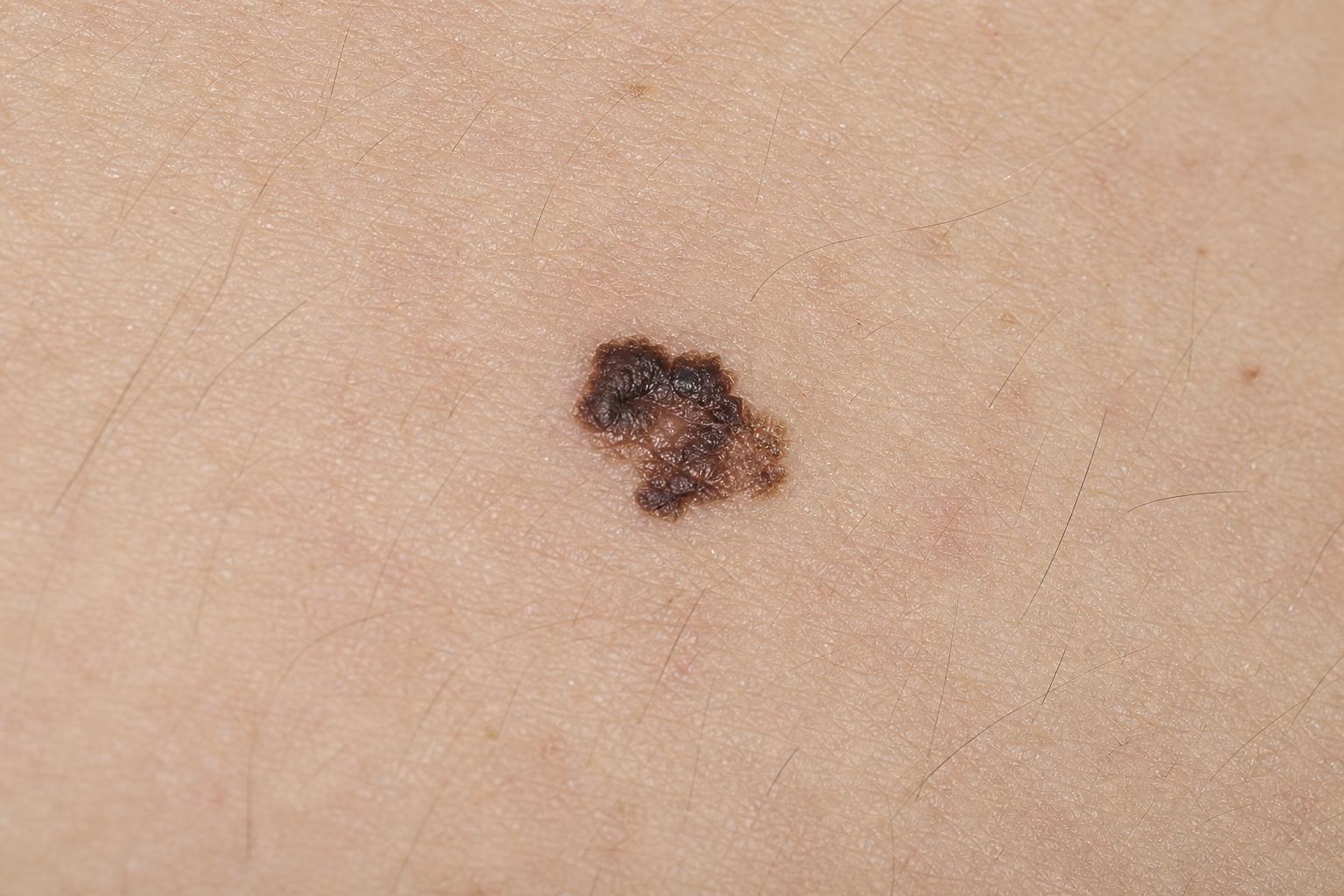
Melanoma: Warning Signs to Know
The ABCDE rule helps identify suspicious moles. Melanoma detected early has a survival rate of over 95%.

Cardiology
High Blood Pressure: The Silent Killer
Hypertension often causes no symptoms but significantly increases the risk of stroke and heart attack. How to detect and control it.

Cardiology
Cholesterol: Should We Really Demonize It?
Cholesterol is essential for life. But when LDL accumulates in the arteries, cardiovascular risk increases.

Cardiology
Stroke: Preventing the First Incident
High blood pressure, atrial fibrillation, smoking: risk factors are known and modifiable in the vast majority of cases.
Pregnancy & Maternity
Gestational Diabetes: Understanding, Screening, and Management
Gestational diabetes affects 6 to 9% of pregnancies. Systematic screening and early management protect both mother and child.