Cholesterol: Should We Really Demonize It?
HDL, LDL, triglycerides: understanding your lipid panel.
Dr. Marc Dufresne
Cardiologist
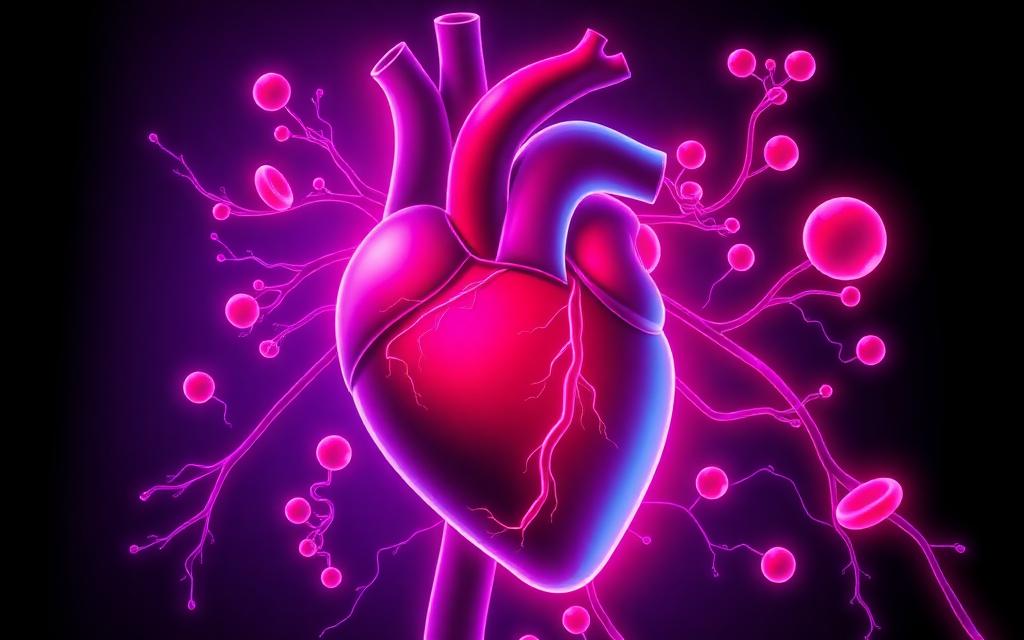
In simple terms
Cholesterol is essential for life. But when LDL accumulates in the arteries, cardiovascular risk increases.
What you need to remember
- LDL vs HDL — LDL** ("bad cholesterol"): transports cholesterol to tissues.
- When to Treat? — The target LDL threshold depends on overall cardiovascular risk, not an isolated number.
- Statins: Proven Benefit — Statins reduce LDL by 30 to 50% and decrease cardiovascular events by 25 to 35% in clinical trials.
- Non-Medicinal Measures — Reduce saturated fatty acids (processed meats, butter, excessive cheese)
Cholesterol is an essential lipid: it is a component of cell membranes, and is used to produce hormones and vitamin D. The problem arises when low-density lipoproteins (LDL) oxidize and accumulate in arterial walls.
LDL vs HDL
- LDL ("bad cholesterol"): transports cholesterol to tissues. In excess, it deposits in arteries.
- HDL ("good cholesterol"): returns cholesterol to the liver for elimination. A high level is protective.
- Triglycerides: another type of blood fat, elevated in cases of excessive sugar and alcohol intake.
When to Treat?
The target LDL threshold depends on overall cardiovascular risk, not an isolated number. A patient who has already had a heart attack aims for LDL < 0.55 g/L, while a person at low risk can tolerate a higher LDL.
Statins: Proven Benefit
Statins reduce LDL by 30 to 50% and decrease cardiovascular events by 25 to 35% in clinical trials. Muscle side effects, while real, are less common than perceived (the nocebo effect plays a significant role).
Non-Medicinal Measures
- Reduce saturated fatty acids (processed meats, butter, excessive cheese)
- Increase soluble fiber (oats, legumes)
- Consume omega-3s (fatty fish, nuts)
- Engage in regular physical activity (increases HDL)
The words explained
Medical terms used above, in everyday language.
- Hormone
- A chemical messenger made by your body that tells organs what to do.
- Cholesterol
- A fatty substance in the blood. Too much of the 'bad' kind (LDL) can clog arteries.
- Cardiovascular
- Related to the heart and blood vessels.
- Fibre
- The part of plant foods your body cannot digest; it feeds gut bacteria and helps digestion.
When should you see a doctor?
- Your symptoms last more than a few weeks or keep coming back.
- They get worse quickly, or stop you doing everyday things.
- You notice sudden pain, breathing trouble, fainting or bleeding — seek urgent care.
- You already take medication and want to change anything about it.
This article explains general health information. It does not replace advice from your own doctor.
Frequently asked questions
- What is Cholesterol: Should We Really Demonize It??
- Cholesterol is essential for life. But when LDL accumulates in the arteries, cardiovascular risk increases.
- What are the main symptoms or signs of Cholesterol: Should We Really Demonize It??
- Common signs vary from person to person. The article above lists the symptoms to watch for, how they progress, and when they need medical attention.
- When should you see a doctor for Cholesterol: Should We Really Demonize It??
- See a doctor if symptoms last more than a few weeks, get worse quickly, stop you doing everyday things, or if you notice sudden pain, breathing trouble, fainting or bleeding.
Related health topics

Dermatology
Sunscreen: Separating Fact from Fiction
The sun is essential but dangerous in excess. An overview of evidence-based dermatological recommendations.

Cardiology
High Blood Pressure: The Silent Killer
Hypertension often causes no symptoms but significantly increases the risk of stroke and heart attack. How to detect and control it.

Cardiology
Stroke: Preventing the First Incident
High blood pressure, atrial fibrillation, smoking: risk factors are known and modifiable in the vast majority of cases.
Allergies & Immunity
Boosting Your Immune System: What Really Works
Sleep, exercise, varied diet: the pillars of solid immunity, validated by research.
Conditions
Type 2 Diabetes: 7 Actions to Reduce Your Risk by 58%
The DPP study showed: an active lifestyle and modest weight loss reduce the risk of type 2 diabetes by 58%, compared to 31% for metformin.
Diabetes & Endocrinology
Type 2 Diabetes: Prevention Is Possible
Type 2 diabetes affects over 460 million adults. Modest weight loss reduces incidence by more than half.