Boosting Your Immune System: What Really Works
Beyond miracle supplements.
Dr. Nadia Kouri
Allergist-Immunologist
In simple terms
Sleep, exercise, varied diet: the pillars of solid immunity, validated by research.
What you need to remember
- What has Little (or No) Evidence — Most "immune-boosting" supplements (echinacea, royal jelly, propolis) lack sufficient quality evidence.
The immune system is a complex set of cells, organs, and molecules. Rather than "boosting" it (a marketing term without scientific basis), it's about providing it with optimal operating conditions.
What has Strong Evidence
- Sleep: 7-9 hours per night. Sleep deprivation reduces antibody production after vaccination and increases susceptibility to infections.
- Moderate physical activity: 150 min/week improves immune surveillance. Caution: excessive exercise can temporarily weaken defenses.
- Varied diet: fruits, vegetables, quality protein. Key micronutrients are zinc, iron, selenium, vitamins A, C, D, and E.
- Stress management: chronically elevated cortisol suppresses the immune response.
- Vaccination: the most effective and safest way to prepare the immune system for specific threats.
What has Little (or No) Evidence
- Most "immune-boosting" supplements (echinacea, royal jelly, propolis) lack sufficient quality evidence.
- High-dose vitamin C does not prevent the common cold (it may slightly reduce its duration).
- Probiotics: promising but too variable results for universal recommendations.
A healthy immune system does not need to be "boosted." It needs to be well-nourished, rested, and trained through vaccination.
The words explained
Medical terms used above, in everyday language.
- Immune system
- Your body's defence team: cells that fight germs and repair damage.
- Prevention
- Steps taken before a problem starts, to make it less likely.
- Antibody
- A protein your body makes to recognise and neutralise a specific germ.
- Vaccine
- A safe training session for your immune system, so it can fight a germ later.
- Probiotic
- The helpful bacteria living in your gut, and the foods or supplements that support them.
When should you see a doctor?
- Your symptoms last more than a few weeks or keep coming back.
- They get worse quickly, or stop you doing everyday things.
- You notice sudden pain, breathing trouble, fainting or bleeding — seek urgent care.
- You already take medication and want to change anything about it.
This article explains general health information. It does not replace advice from your own doctor.
Frequently asked questions
- What is Boosting Your Immune System: What Really Works?
- Sleep, exercise, varied diet: the pillars of solid immunity, validated by research.
- What are the main symptoms or signs of Boosting Your Immune System: What Really Works?
- Common signs vary from person to person. The article above lists the symptoms to watch for, how they progress, and when they need medical attention.
- When should you see a doctor for Boosting Your Immune System: What Really Works?
- See a doctor if symptoms last more than a few weeks, get worse quickly, stop you doing everyday things, or if you notice sudden pain, breathing trouble, fainting or bleeding.
Related health topics
Conditions
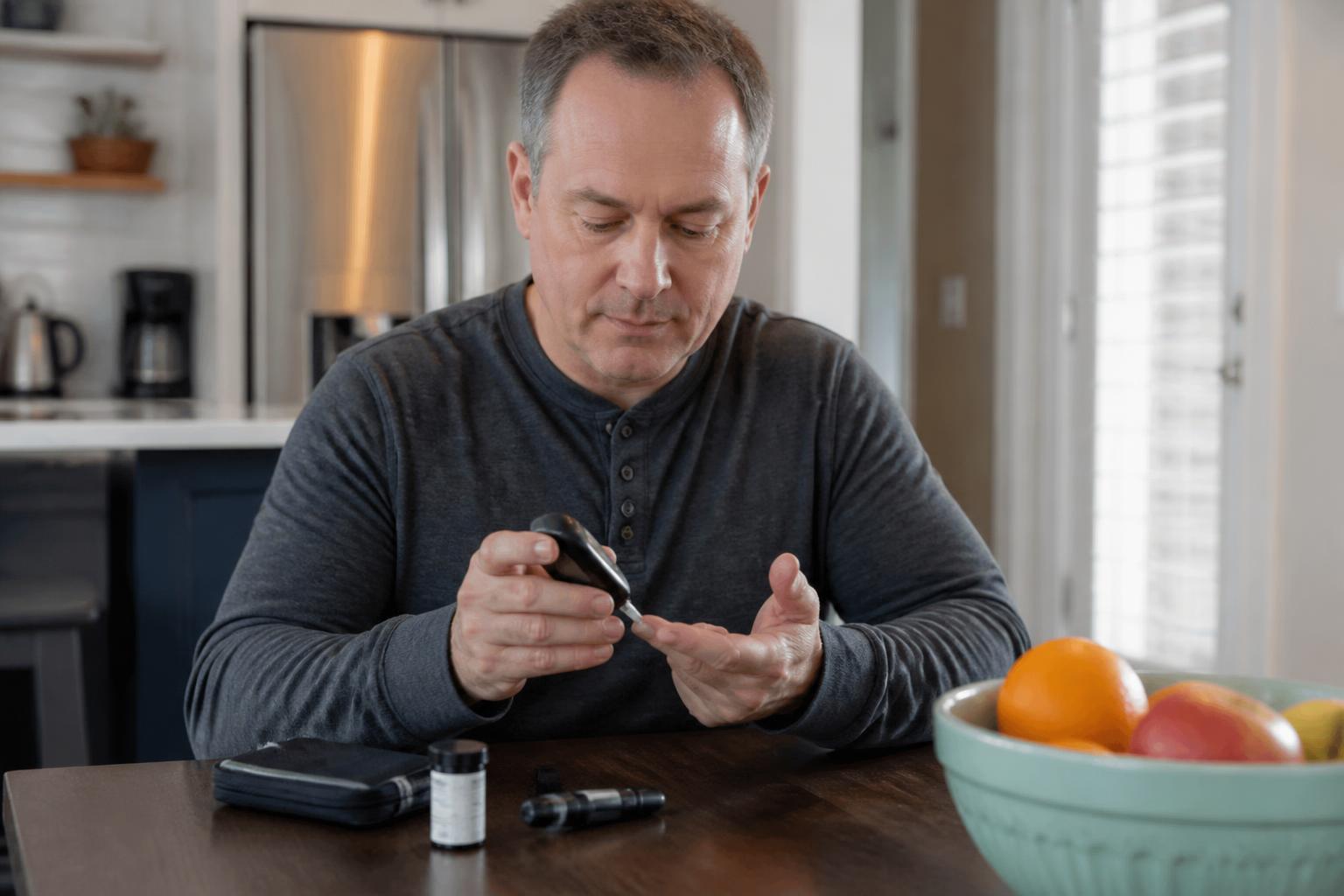
Type 2 Diabetes: 7 Actions to Reduce Your Risk by 58%
The DPP study showed: an active lifestyle and modest weight loss reduce the risk of type 2 diabetes by 58%, compared to 31% for metformin.

Dermatology
Sunscreen: Separating Fact from Fiction
The sun is essential but dangerous in excess. An overview of evidence-based dermatological recommendations.

Cardiology
High Blood Pressure: The Silent Killer
Hypertension often causes no symptoms but significantly increases the risk of stroke and heart attack. How to detect and control it.

Cardiology
Cholesterol: Should We Really Demonize It?
Cholesterol is essential for life. But when LDL accumulates in the arteries, cardiovascular risk increases.

Cardiology
Stroke: Preventing the First Incident
High blood pressure, atrial fibrillation, smoking: risk factors are known and modifiable in the vast majority of cases.
Diabetes & Endocrinology
Type 2 Diabetes: Prevention Is Possible
Type 2 diabetes affects over 460 million adults. Modest weight loss reduces incidence by more than half.