
Sunscreen: Separating Fact from Fiction
SPF, UVA, UVB: what you really need to know.
Dr. Sophie Renard
Dermatologist

In simple terms
The sun is essential but dangerous in excess. An overview of evidence-based dermatological recommendations.
What you need to remember
- What SPF really means — SPF (Sun Protection Factor) only measures protection against UVB rays, which cause sunburn.
- Common myths — "I never burn, I don't need sunscreen"** — FALSE.
- Practical recommendations — Choose a broad-spectrum product (UVA + UVB), minimum SPF 30
Photoprotection remains the most effective preventive measure against skin aging and skin cancers. Yet, many misconceptions persist.
What SPF really means
SPF (Sun Protection Factor) only measures protection against UVB rays, which cause sunburn. SPF 30 filters 97% of UVB, SPF 50 filters 98%. The difference is minimal, but proper application is crucial.
Common myths
- "I never burn, I don't need sunscreen" — FALSE. UVA penetrate deeply and cause damage even without sunburn.
- "One application is enough for the day" — FALSE. Reapply every 2 hours and after each swim.
- "Dark skin does not need protection" — FALSE. The risk is lower but not zero.
- "Sunscreen prevents vitamin D synthesis" — In practice, no. Actual application still allows enough UV to pass through.
Practical recommendations
- Choose a broad-spectrum product (UVA + UVB), minimum SPF 30
- Apply a sufficient amount: approximately 2 mg/cm² (about 6 teaspoons for the entire body)
- Avoid exposure between 12 PM and 4 PM
- Combine with clothing, hats, and sunglasses
The words explained
Medical terms used above, in everyday language.
- Prevention
- Steps taken before a problem starts, to make it less likely.
When should you see a doctor?
- Your symptoms last more than a few weeks or keep coming back.
- They get worse quickly, or stop you doing everyday things.
- You notice sudden pain, breathing trouble, fainting or bleeding — seek urgent care.
- You already take medication and want to change anything about it.
This article explains general health information. It does not replace advice from your own doctor.
Frequently asked questions
- What is Sunscreen: Separating Fact from Fiction?
- The sun is essential but dangerous in excess. An overview of evidence-based dermatological recommendations.
- What are the main symptoms or signs of Sunscreen: Separating Fact from Fiction?
- Common signs vary from person to person. The article above lists the symptoms to watch for, how they progress, and when they need medical attention.
- When should you see a doctor for Sunscreen: Separating Fact from Fiction?
- See a doctor if symptoms last more than a few weeks, get worse quickly, stop you doing everyday things, or if you notice sudden pain, breathing trouble, fainting or bleeding.
Related health topics

Cardiology
High Blood Pressure: The Silent Killer
Hypertension often causes no symptoms but significantly increases the risk of stroke and heart attack. How to detect and control it.

Cardiology
Cholesterol: Should We Really Demonize It?
Cholesterol is essential for life. But when LDL accumulates in the arteries, cardiovascular risk increases.

Cardiology
Stroke: Preventing the First Incident
High blood pressure, atrial fibrillation, smoking: risk factors are known and modifiable in the vast majority of cases.

Allergies & Immunity
Boosting Your Immune System: What Really Works
Sleep, exercise, varied diet: the pillars of solid immunity, validated by research.
Conditions
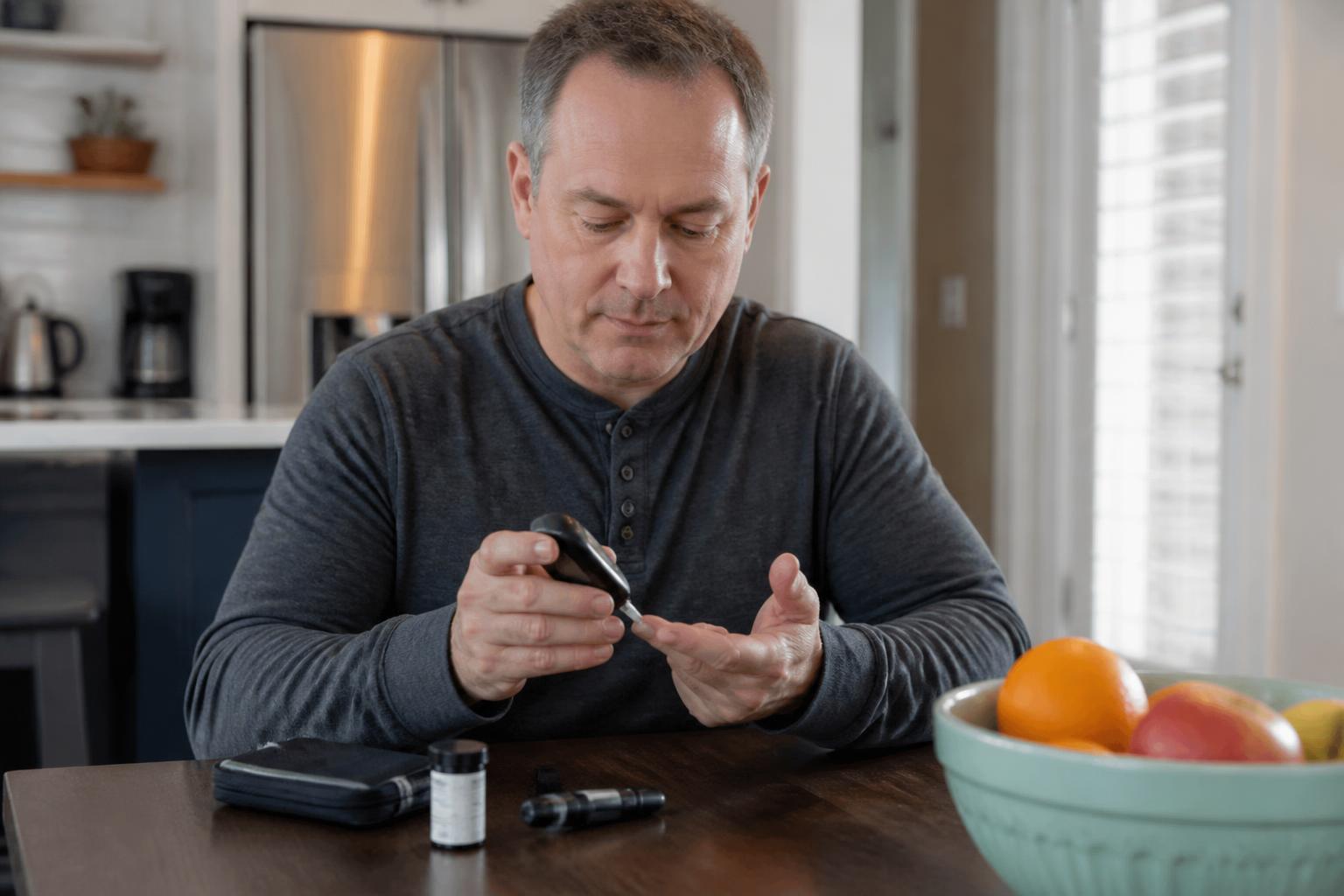
Type 2 Diabetes: 7 Actions to Reduce Your Risk by 58%
The DPP study showed: an active lifestyle and modest weight loss reduce the risk of type 2 diabetes by 58%, compared to 31% for metformin.
Diabetes & Endocrinology
Type 2 Diabetes: Prevention Is Possible
Type 2 diabetes affects over 460 million adults. Modest weight loss reduces incidence by more than half.