Type 2 Diabetes: 7 Actions to Reduce Your Risk by 58%
Prevention is more powerful than any medication.
Dr. Marc Dufresne
Endocrinologist
In simple terms
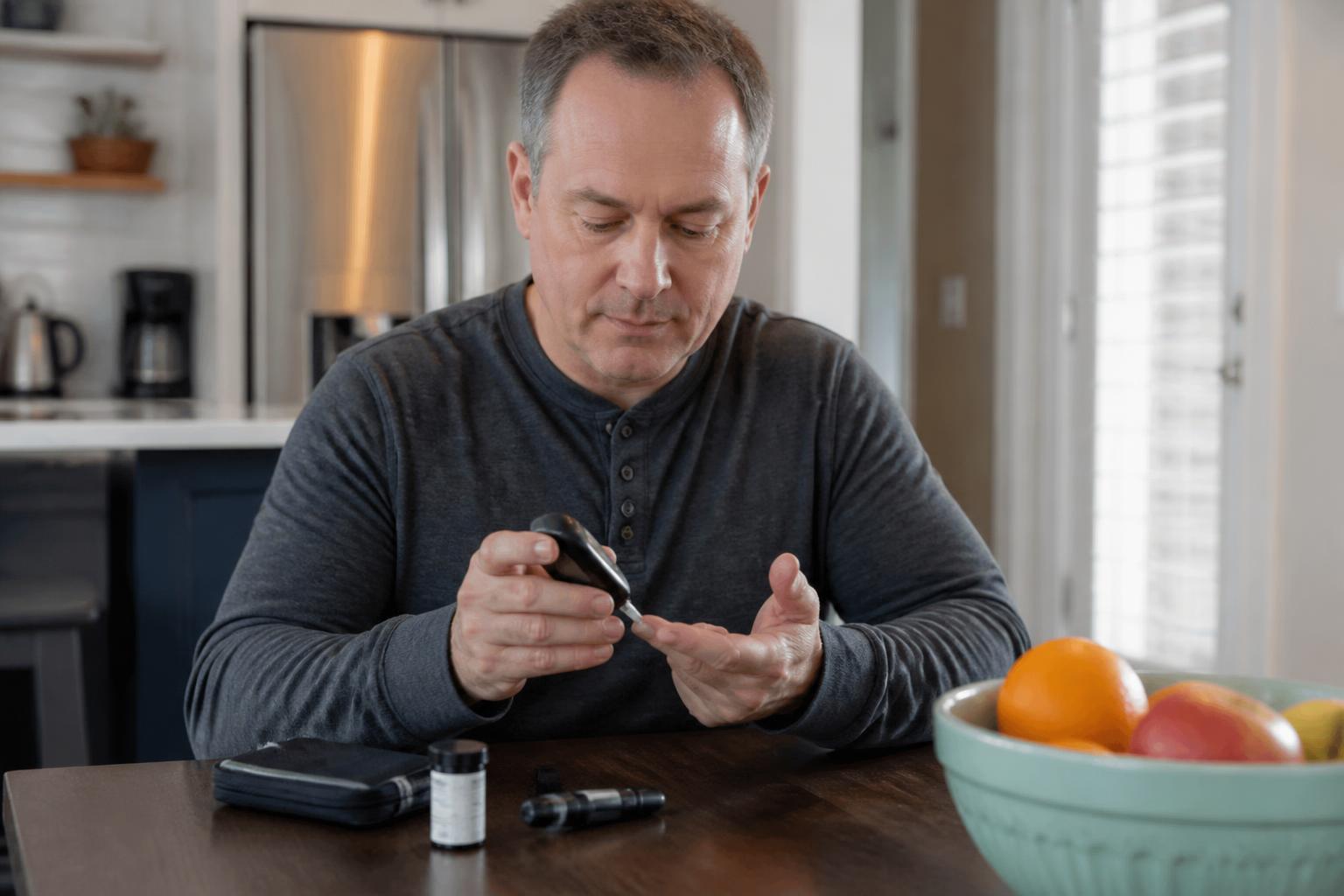
The DPP study showed: an active lifestyle and modest weight loss reduce the risk of type 2 diabetes by 58%, compared to 31% for metformin.
What you need to remember
- The study that changed everything — The Diabetes Prevention Program (DPP), a landmark clinical trial involving 3,234 pre-diabetic individuals, demonstrated that:
- 7 concrete actions — Lose 5-7% of your weight**: for an 80 kg person, this represents 4-6 kg.
- Non-modifiable risk factors — Family history of type 2 diabetes
Type 2 diabetes is a global epidemic: 537 million people affected according to the International Diabetes Federation. But it is one of the most preventable chronic diseases.
The study that changed everything
The Diabetes Prevention Program (DPP), a landmark clinical trial involving 3,234 pre-diabetic individuals, demonstrated that:
- The "lifestyle program" reduced the risk by 58%
- Metformin reduced it by 31%
- For those over 60, the reduction reached 71% with lifestyle changes
7 concrete actions
- Lose 5-7% of your weight: for an 80 kg person, this represents 4-6 kg. No need to reach "ideal" weight.
- 150 minutes of physical activity per week: brisk walking, cycling, swimming.
- Reduce refined carbohydrates: white bread, white pasta, white rice, added sugars.
- Increase fiber: minimum 30 g/day (legumes, whole grains, vegetables).
- Limit sugary drinks: one soda a day increases the risk by 26%.
- Sleep 7-8 hours: chronic lack of sleep impairs glucose tolerance.
- Manage stress: chronic cortisol increases blood sugar.
Non-modifiable risk factors
- Family history of type 2 diabetes
- Ethnic origin (increased risk in certain populations)
- History of gestational diabetes
- Age > 45 years
Prediabetes is reversible. It's a window of opportunity to act before the disease sets in.
The words explained
Medical terms used above, in everyday language.
- Chronic
- A problem that lasts a long time, usually more than three months, and often comes back.
- Risk factor
- Something that makes an illness more likely, such as smoking or family history.
- Blood sugar
- The amount of sugar circulating in your blood, your body's main fuel.
- Prevention
- Steps taken before a problem starts, to make it less likely.
- Fibre
- The part of plant foods your body cannot digest; it feeds gut bacteria and helps digestion.
When should you see a doctor?
- Your symptoms last more than a few weeks or keep coming back.
- They get worse quickly, or stop you doing everyday things.
- You notice sudden pain, breathing trouble, fainting or bleeding — seek urgent care.
- You already take medication and want to change anything about it.
This article explains general health information. It does not replace advice from your own doctor.
Frequently asked questions
- What is Type 2 Diabetes: 7 Actions to Reduce Your Risk by 58%?
- The DPP study showed: an active lifestyle and modest weight loss reduce the risk of type 2 diabetes by 58%, compared to 31% for metformin.
- What are the main symptoms or signs of Type 2 Diabetes: 7 Actions to Reduce Your Risk by 58%?
- Common signs vary from person to person. The article above lists the symptoms to watch for, how they progress, and when they need medical attention.
- When should you see a doctor for Type 2 Diabetes: 7 Actions to Reduce Your Risk by 58%?
- See a doctor if symptoms last more than a few weeks, get worse quickly, stop you doing everyday things, or if you notice sudden pain, breathing trouble, fainting or bleeding.
Related health topics

Allergies & Immunity
Boosting Your Immune System: What Really Works
Sleep, exercise, varied diet: the pillars of solid immunity, validated by research.
Diabetes & Endocrinology
Type 2 Diabetes: Prevention Is Possible
Type 2 diabetes affects over 460 million adults. Modest weight loss reduces incidence by more than half.

Dermatology
Sunscreen: Separating Fact from Fiction
The sun is essential but dangerous in excess. An overview of evidence-based dermatological recommendations.

Cardiology
High Blood Pressure: The Silent Killer
Hypertension often causes no symptoms but significantly increases the risk of stroke and heart attack. How to detect and control it.
Cardiology
Cholesterol: Should We Really Demonize It?
Cholesterol is essential for life. But when LDL accumulates in the arteries, cardiovascular risk increases.

Cardiology
Stroke: Preventing the First Incident
High blood pressure, atrial fibrillation, smoking: risk factors are known and modifiable in the vast majority of cases.