Breast Cancer: The Value of Early Detection
Mammography screening saves thousands of lives each year.
Dr. Anne-Sophie Lefèvre
Oncologist
In simple terms
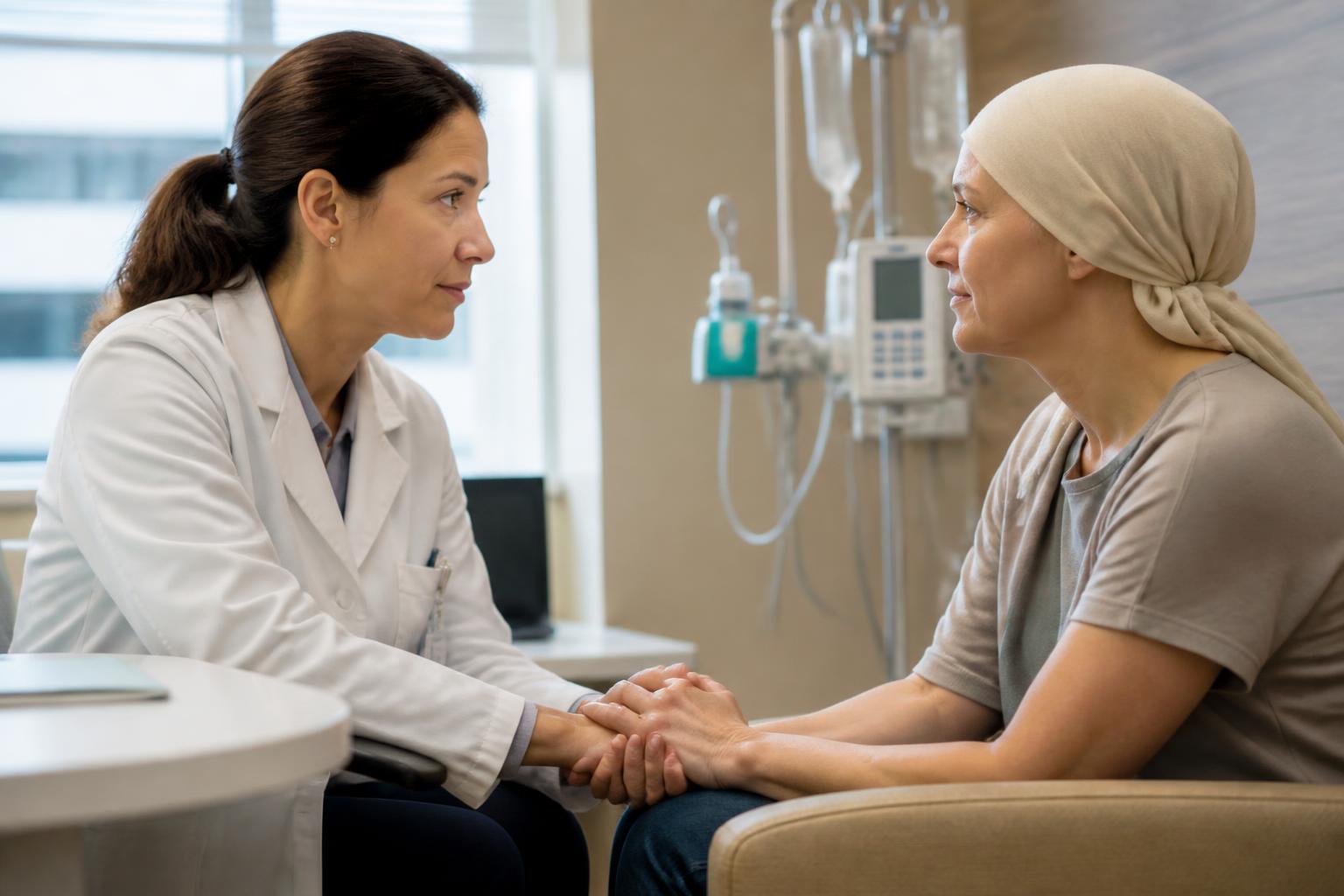
Breast cancer is the most common cancer in women worldwide. Early-stage disease has excellent cure rates.
What you need to remember
- Screening — Mammography every 2 years from 50 to 74 reduces breast cancer mortality.
- Treatment — Surgery, radiotherapy, endocrine therapy, chemotherapy, targeted therapy (HER2 inhibitors, CDK4/6 inhibitors) — personalised to tumour biology.
Age, family history, BRCA1/2 mutations, early menarche, late menopause, nulliparity, alcohol intake, and obesity after menopause.
Screening
Mammography every 2 years from 50 to 74 reduces breast cancer mortality. Earlier screening is recommended for high-risk women, often combined with breast MRI.
Warning signs
- New lump or thickening
- Skin dimpling or peau d'orange
- Nipple retraction or new discharge
- Persistent localized pain
Treatment
Surgery, radiotherapy, endocrine therapy, chemotherapy, targeted therapy (HER2 inhibitors, CDK4/6 inhibitors) — personalised to tumour biology.
Breast self-awareness matters: report any new persistent change without waiting for the next screening.
The words explained
Medical terms used above, in everyday language.
- Screening
- A check-up done before you feel ill, to catch a problem early.
When should you see a doctor?
- Your symptoms last more than a few weeks or keep coming back.
- They get worse quickly, or stop you doing everyday things.
- You notice sudden pain, breathing trouble, fainting or bleeding — seek urgent care.
- You already take medication and want to change anything about it.
This article explains general health information. It does not replace advice from your own doctor.
Frequently asked questions
- What is Breast Cancer: The Value of Early Detection?
- Breast cancer is the most common cancer in women worldwide. Early-stage disease has excellent cure rates.
- What are the main symptoms or signs of Breast Cancer: The Value of Early Detection?
- Common signs vary from person to person. The article above lists the symptoms to watch for, how they progress, and when they need medical attention.
- When should you see a doctor for Breast Cancer: The Value of Early Detection?
- See a doctor if symptoms last more than a few weeks, get worse quickly, stop you doing everyday things, or if you notice sudden pain, breathing trouble, fainting or bleeding.
Related health topics
Dermatology
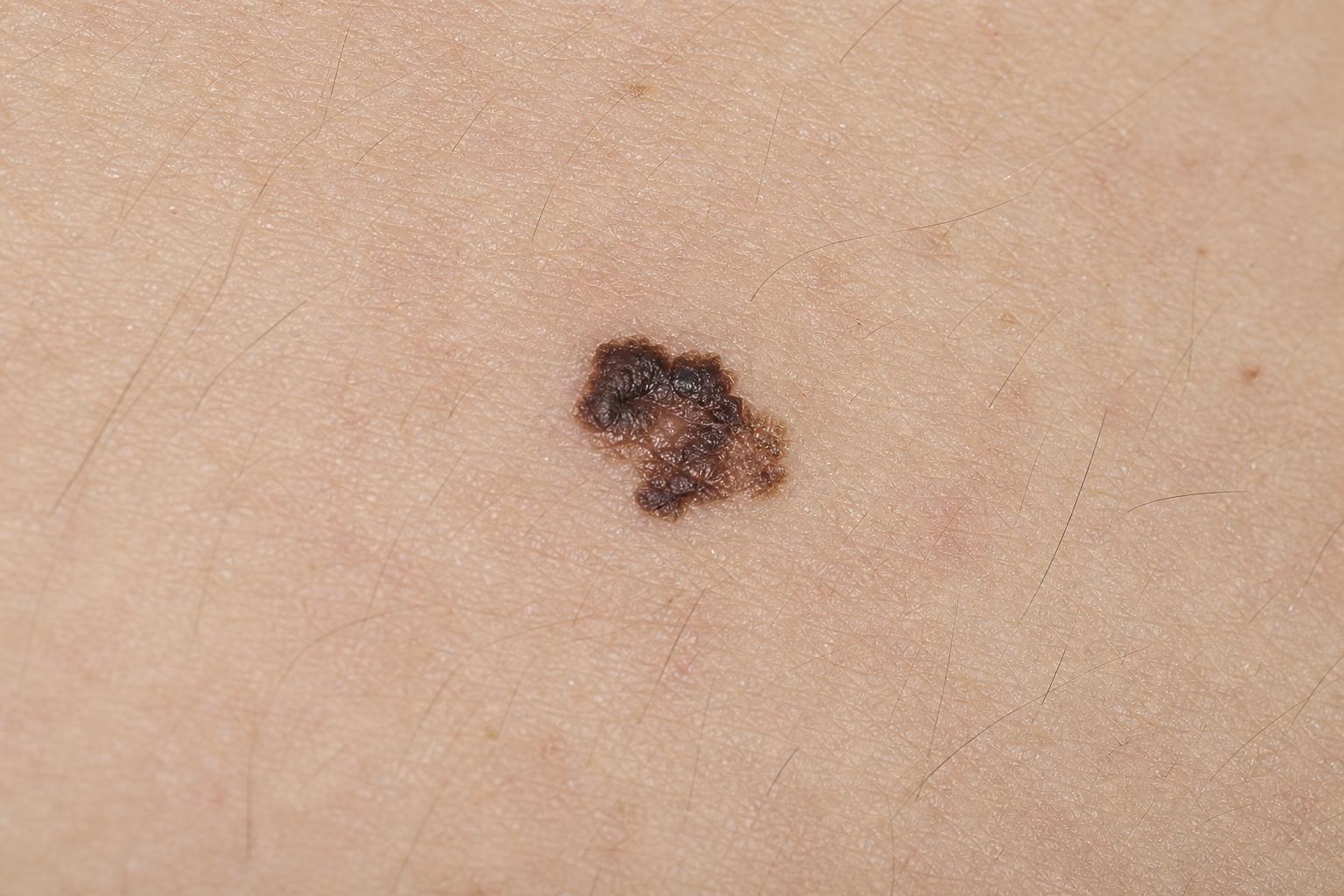
Melanoma: Warning Signs to Know
The ABCDE rule helps identify suspicious moles. Melanoma detected early has a survival rate of over 95%.
Pregnancy & Maternity
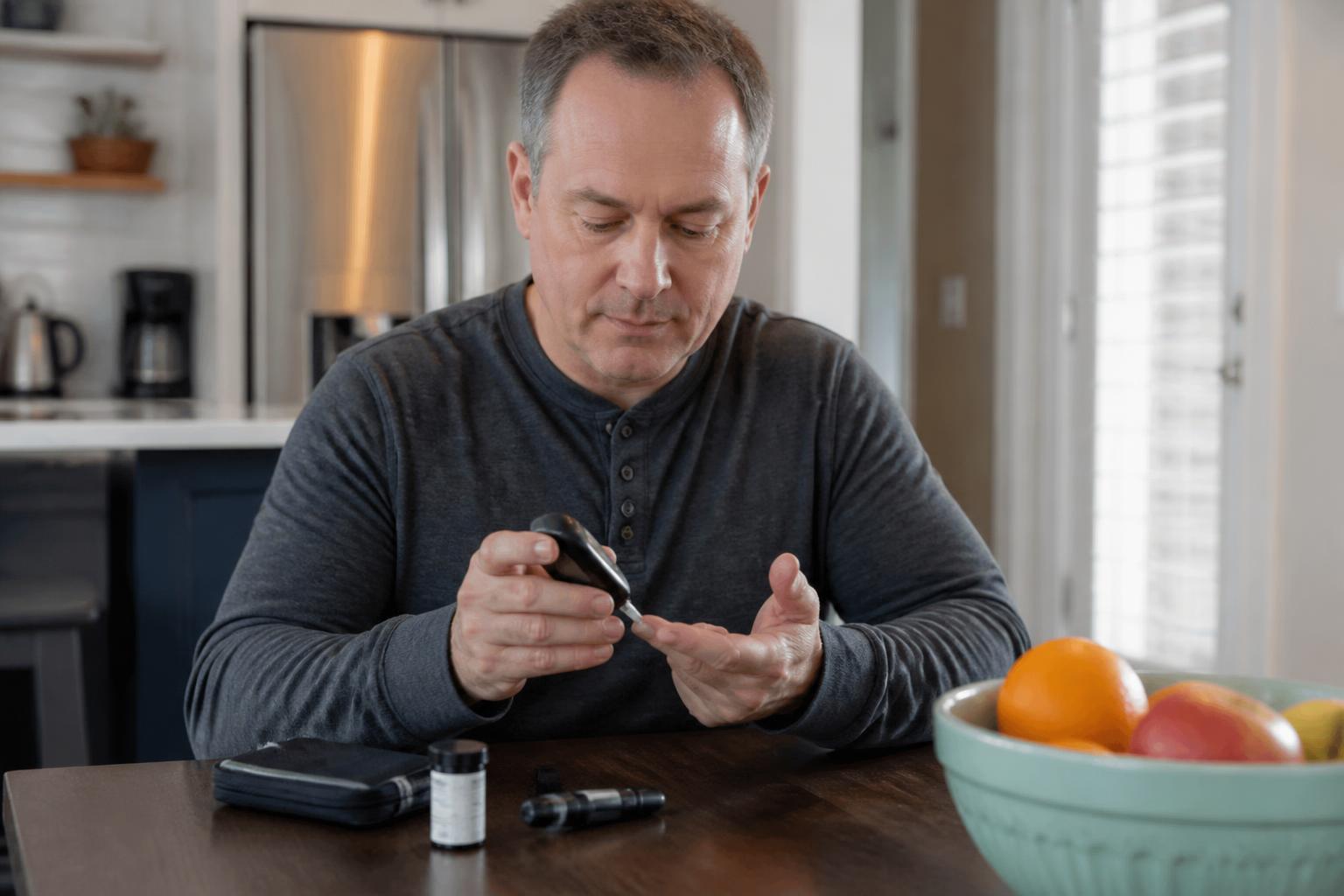
Gestational Diabetes: Understanding, Screening, and Management
Gestational diabetes affects 6 to 9% of pregnancies. Systematic screening and early management protect both mother and child.

Fitness
Strength training for women: debunking the myths
Women benefit as much as men from strength training: bone mass, metabolism, confidence. Let's deconstruct misconceptions.

Diabetes & Endocrinology
Polycystic Ovary Syndrome: Far More Than Cysts
PCOS combines irregular periods, hyperandrogenism and metabolic features. Early diagnosis improves long-term outcomes.
Cancer & Oncology
Colorectal Cancer: Highly Preventable
Colorectal cancer is the third most common cancer worldwide. Removing precancerous polyps prevents most cases.
Cancer & Oncology
Lung Cancer: Symptoms Often Appear Late
Lung cancer remains the leading cause of cancer death globally. Earlier diagnosis dramatically changes survival.