Lung Cancer: Symptoms Often Appear Late
Low-dose CT screening saves lives in high-risk smokers.
Dr. Anne-Sophie Lefèvre
Oncologist

In simple terms
Lung cancer remains the leading cause of cancer death globally. Earlier diagnosis dramatically changes survival.
What you need to remember
- Warning signs — Persistent cough beyond 3 weeks
- Modern treatment — Molecular profiling guides therapy: EGFR, ALK, ROS1 and other targeted therapies, plus immunotherapy (PD-1/PD-L1 inhibitors), have transformed advanced lung cancer outcomes.
- Prevention — Smoking cessation at any age reduces risk; benefits begin within months and grow over years.
Heavy smokers (at least 20 pack-years) aged 50-80 benefit from annual low-dose chest CT, with shared decision-making.
Warning signs
- Persistent cough beyond 3 weeks
- Haemoptysis (blood in sputum)
- Unexplained breathlessness
- Chest pain
- Weight loss
Modern treatment
Molecular profiling guides therapy: EGFR, ALK, ROS1 and other targeted therapies, plus immunotherapy (PD-1/PD-L1 inhibitors), have transformed advanced lung cancer outcomes.
Prevention
Smoking cessation at any age reduces risk; benefits begin within months and grow over years.
Non-smokers can develop lung cancer too: radon, asbestos and air pollution all contribute.
The words explained
Medical terms used above, in everyday language.
- Immune system
- Your body's defence team: cells that fight germs and repair damage.
- Prevention
- Steps taken before a problem starts, to make it less likely.
When should you see a doctor?
- Your symptoms last more than a few weeks or keep coming back.
- They get worse quickly, or stop you doing everyday things.
- You notice sudden pain, breathing trouble, fainting or bleeding — seek urgent care.
- You already take medication and want to change anything about it.
This article explains general health information. It does not replace advice from your own doctor.
Frequently asked questions
- What is Lung Cancer: Symptoms Often Appear Late?
- Lung cancer remains the leading cause of cancer death globally. Earlier diagnosis dramatically changes survival.
- What are the main symptoms or signs of Lung Cancer: Symptoms Often Appear Late?
- Common signs vary from person to person. The article above lists the symptoms to watch for, how they progress, and when they need medical attention.
- When should you see a doctor for Lung Cancer: Symptoms Often Appear Late?
- See a doctor if symptoms last more than a few weeks, get worse quickly, stop you doing everyday things, or if you notice sudden pain, breathing trouble, fainting or bleeding.
Related health topics
Dermatology
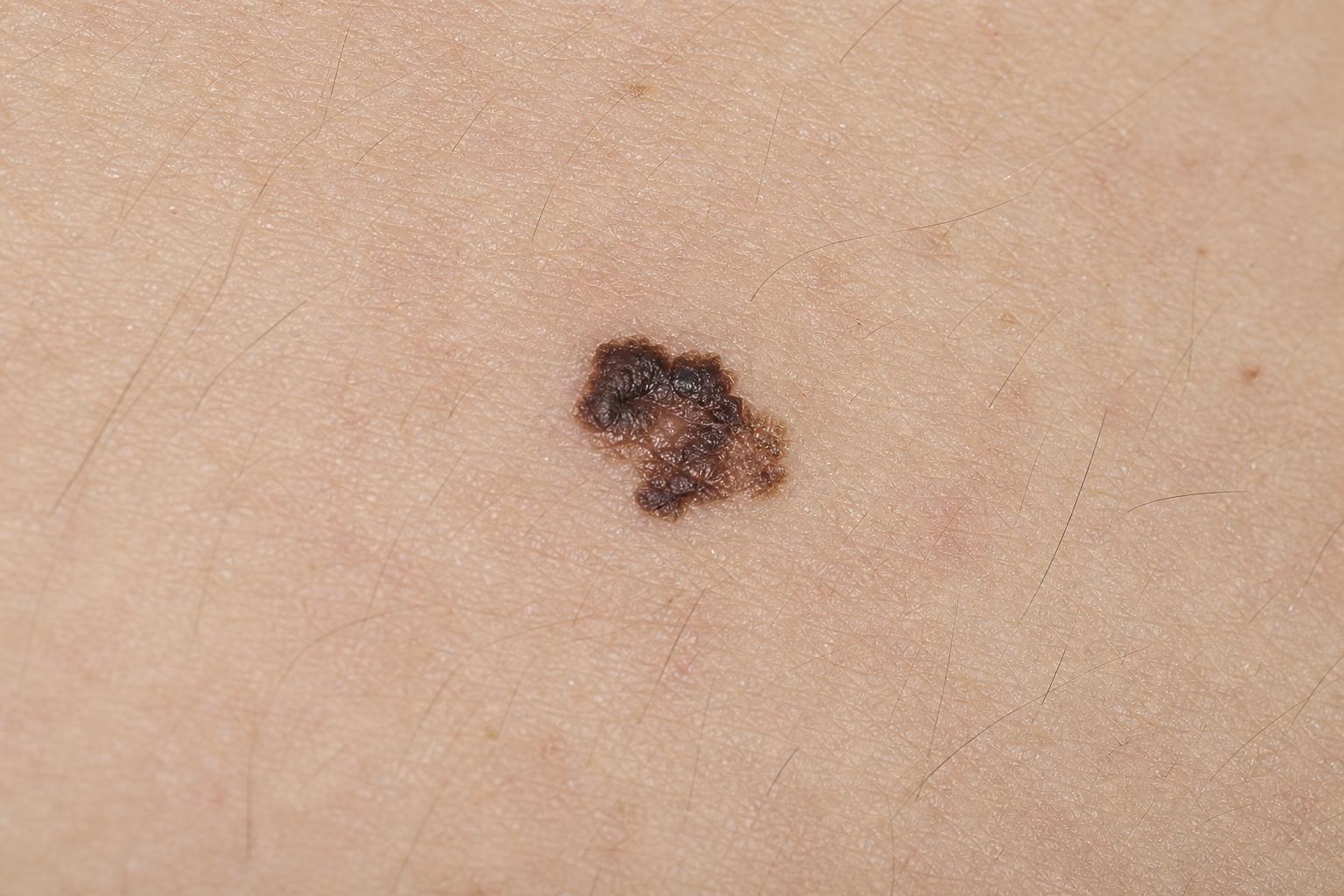
Melanoma: Warning Signs to Know
The ABCDE rule helps identify suspicious moles. Melanoma detected early has a survival rate of over 95%.

Pregnancy & Maternity
Gestational Diabetes: Understanding, Screening, and Management
Gestational diabetes affects 6 to 9% of pregnancies. Systematic screening and early management protect both mother and child.
Pulmonology
COPD: A Silent and Underdiagnosed Disease
Chronic obstructive pulmonary disease kills 3 million people yearly and remains widely underdiagnosed.

Cancer & Oncology
Breast Cancer: The Value of Early Detection
Breast cancer is the most common cancer in women worldwide. Early-stage disease has excellent cure rates.
Cancer & Oncology
Colorectal Cancer: Highly Preventable
Colorectal cancer is the third most common cancer worldwide. Removing precancerous polyps prevents most cases.
Pregnancy & Maternity
Gestational Diabetes: Pregnancy Care That Matters Beyond Birth
Gestational diabetes affects 5-15% of pregnancies depending on population. Lifestyle measures usually suffice.