
Melanoma: Detecting Suspicious Moles Early
The ABCDE rule helps anyone screen their skin.
Dr. Sophie Renard
Dermatologist
In simple terms
Melanoma is the deadliest skin cancer, but caught early it is nearly always curable.
What you need to remember
- Risk factors — Fair skin, many moles, atypical moles, family history, history of sunburns or tanning bed use, and immunosuppression.
- Skin self-examination — Monthly skin checks, plus annual professional examination for high-risk patients, find melanomas at curable stages.
- Treatment — Surgical excision cures most early melanomas.
- A: Asymmetry
- B: Border irregular
- C: Color uneven or multiple shades
- D: Diameter > 6 mm
- E: Evolution over time
Risk factors
Fair skin, many moles, atypical moles, family history, history of sunburns or tanning bed use, and immunosuppression.
Skin self-examination
Monthly skin checks, plus annual professional examination for high-risk patients, find melanomas at curable stages.
Treatment
Surgical excision cures most early melanomas. Targeted therapies (BRAF inhibitors) and immunotherapy (PD-1 inhibitors) have transformed outcomes in advanced disease.
Any new mole appearing after 40, or any mole that becomes the 'ugly duckling' among others, deserves dermatological review.
The words explained
Medical terms used above, in everyday language.
- Risk factor
- Something that makes an illness more likely, such as smoking or family history.
- Immune system
- Your body's defence team: cells that fight germs and repair damage.
When should you see a doctor?
- Your symptoms last more than a few weeks or keep coming back.
- They get worse quickly, or stop you doing everyday things.
- You notice sudden pain, breathing trouble, fainting or bleeding — seek urgent care.
- You already take medication and want to change anything about it.
This article explains general health information. It does not replace advice from your own doctor.
Frequently asked questions
- What is Melanoma: Detecting Suspicious Moles Early?
- Melanoma is the deadliest skin cancer, but caught early it is nearly always curable.
- What are the main symptoms or signs of Melanoma: Detecting Suspicious Moles Early?
- Common signs vary from person to person. The article above lists the symptoms to watch for, how they progress, and when they need medical attention.
- When should you see a doctor for Melanoma: Detecting Suspicious Moles Early?
- See a doctor if symptoms last more than a few weeks, get worse quickly, stop you doing everyday things, or if you notice sudden pain, breathing trouble, fainting or bleeding.
Related health topics

Dermatology
Sunscreen: Separating Fact from Fiction
The sun is essential but dangerous in excess. An overview of evidence-based dermatological recommendations.
Dermatology
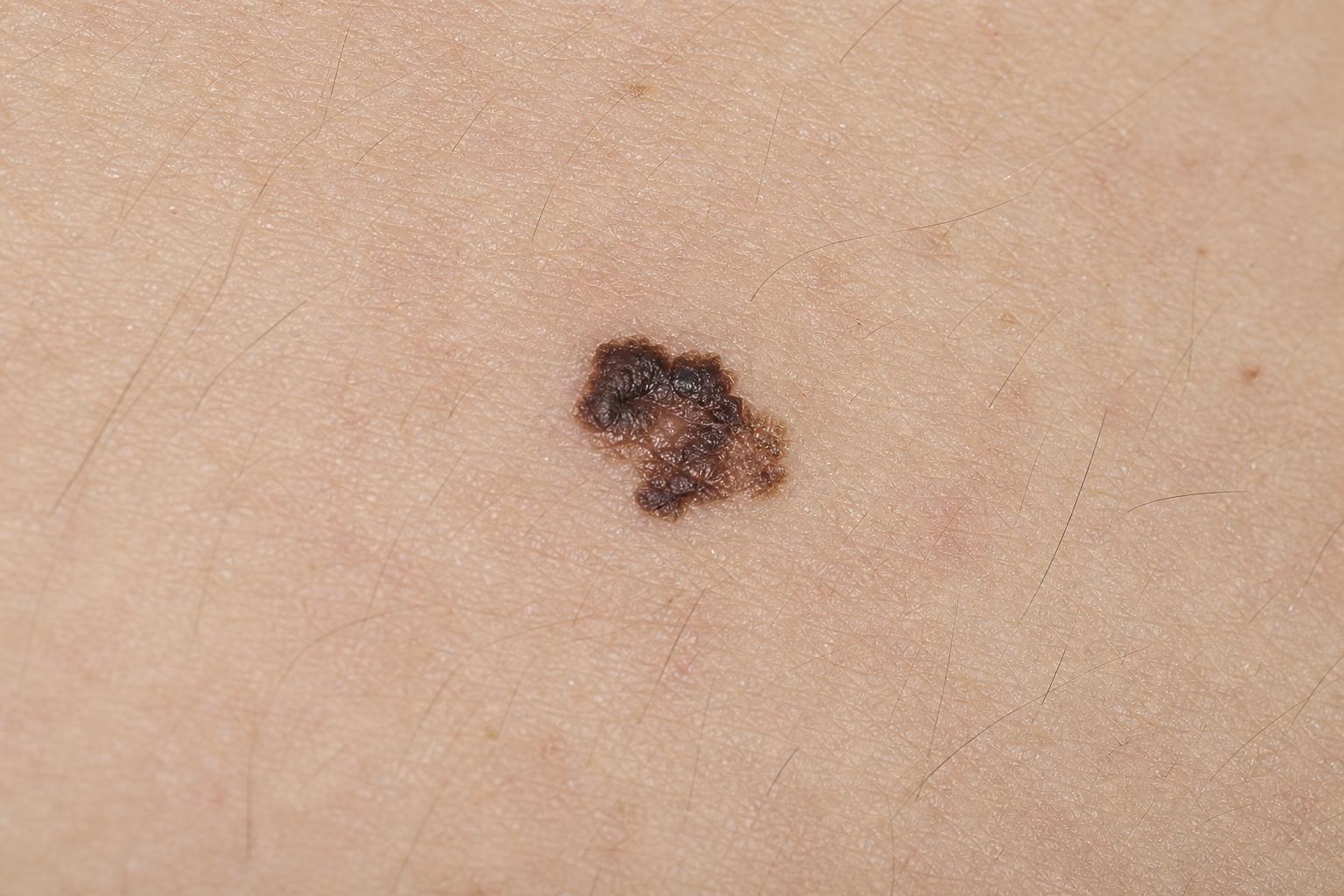
Melanoma: Warning Signs to Know
The ABCDE rule helps identify suspicious moles. Melanoma detected early has a survival rate of over 95%.
Cardiology
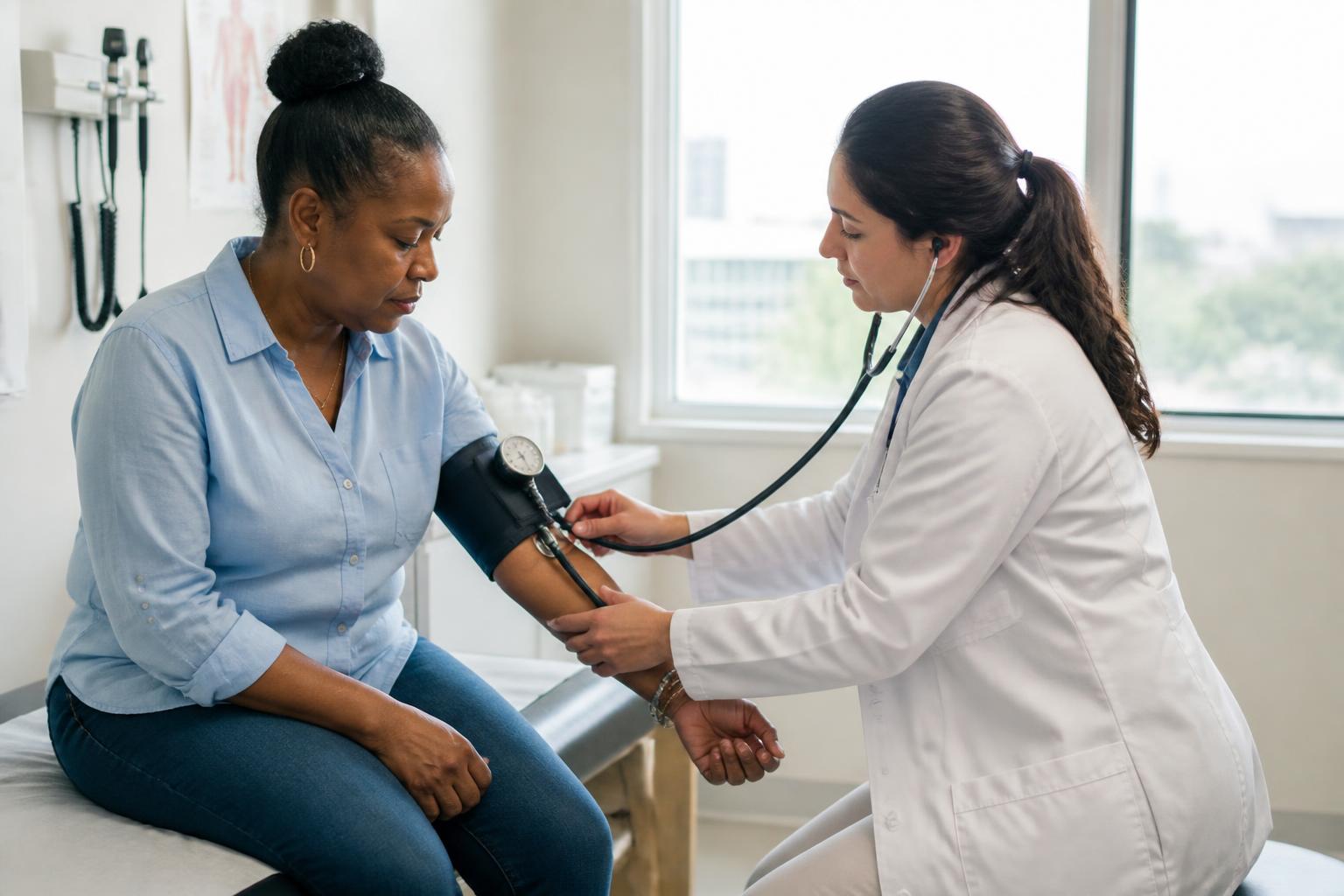
High Blood Pressure: The Silent Killer
Hypertension often causes no symptoms but significantly increases the risk of stroke and heart attack. How to detect and control it.

Cardiology
Cholesterol: Should We Really Demonize It?
Cholesterol is essential for life. But when LDL accumulates in the arteries, cardiovascular risk increases.
Cardiology
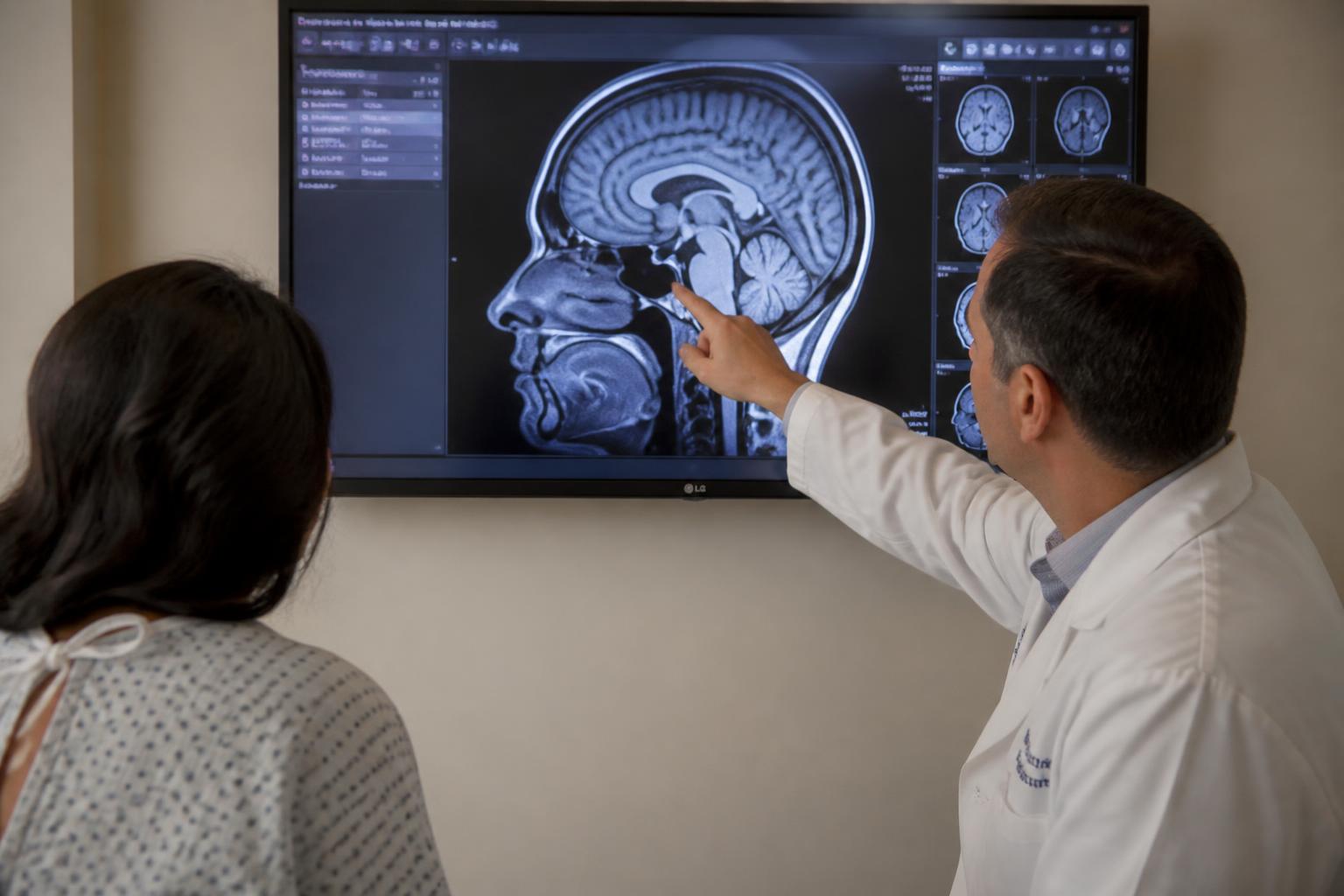
Stroke: Preventing the First Incident
High blood pressure, atrial fibrillation, smoking: risk factors are known and modifiable in the vast majority of cases.
Allergies & Immunity
Boosting Your Immune System: What Really Works
Sleep, exercise, varied diet: the pillars of solid immunity, validated by research.