Multiple Sclerosis: Living with an Autoimmune Brain Disease
2.8 million people affected worldwide
Dr. Caroline Delmas
Neurologist
In simple terms
Vision problems, numbness, fatigue: multiple sclerosis often strikes between 20 and 40 years old. Current treatments can slow its progression.
What is MS?
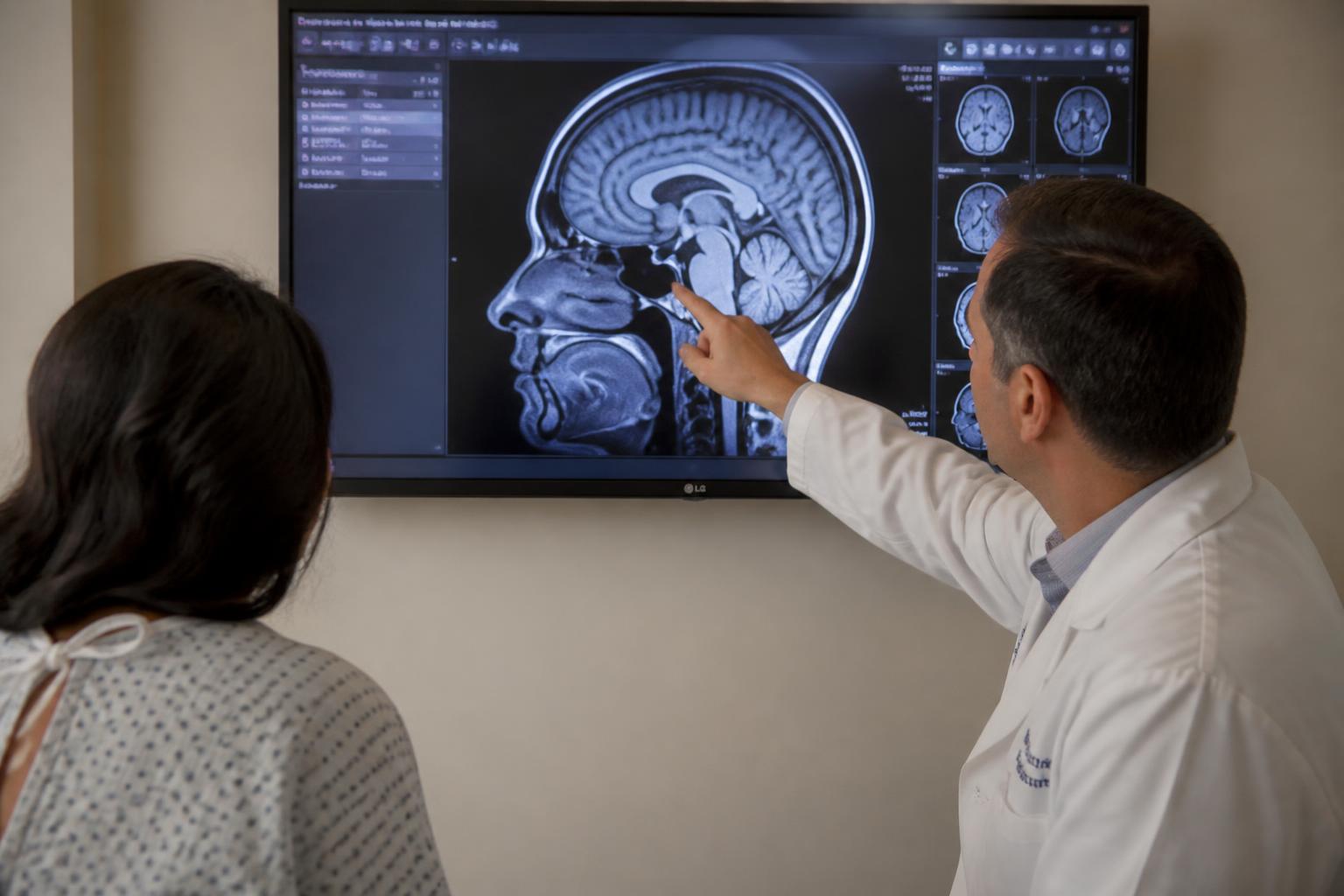
Multiple sclerosis (MS) is an autoimmune disease of the central nervous system in which the immune system attacks the myelin sheath that surrounds and protects nerve fibers. These lesions (plaques) disrupt the transmission of nerve impulses between the brain, spinal cord, and the rest of the body.
Varied symptoms
MS can affect almost all neurological functions: visual disturbances (optic neuritis), numbness, tingling, muscle weakness, balance problems, intense fatigue, urinary problems, pain, and cognitive disorders. Symptoms vary widely from patient to patient.
Disease forms
The relapsing-remitting form (85% of onsets) progresses with relapses interspersed with remissions. The secondary progressive form follows the relapsing form with a gradually accumulating disability. The primary progressive form (10-15%) worsens from the beginning without distinct relapses.
Current treatments
Disease-modifying treatments (interferon beta, glatiramer acetate, fingolimod, ocrelizumab, natalizumab) reduce the frequency of relapses and slow the accumulation of disability. Ocrelizumab is the first effective treatment for the progressive form. Rehabilitation, physical activity, and psychological support are essential components of management.
The words explained
Medical terms used above, in everyday language.
- Symptom
- A sign you can feel or see that something is wrong, like pain, tiredness or a rash.
- Immune system
- Your body's defence team: cells that fight germs and repair damage.
- Cognitive
- Related to thinking: memory, attention, learning and decision-making.
- Remission
- A period when the disease is quiet and symptoms fade or disappear.
- Relapse / flare-up
- A moment when symptoms come back or get worse again.
When should you see a doctor?
- Your symptoms last more than a few weeks or keep coming back.
- They get worse quickly, or stop you doing everyday things.
- You notice sudden pain, breathing trouble, fainting or bleeding — seek urgent care.
- You already take medication and want to change anything about it.
This article explains general health information. It does not replace advice from your own doctor.
Frequently asked questions
- What is Multiple Sclerosis: Living with an Autoimmune Brain Disease?
- Vision problems, numbness, fatigue: multiple sclerosis often strikes between 20 and 40 years old. Current treatments can slow its progression.
- What are the main symptoms or signs of Multiple Sclerosis: Living with an Autoimmune Brain Disease?
- Common signs vary from person to person. The article above lists the symptoms to watch for, how they progress, and when they need medical attention.
- When should you see a doctor for Multiple Sclerosis: Living with an Autoimmune Brain Disease?
- See a doctor if symptoms last more than a few weeks, get worse quickly, stop you doing everyday things, or if you notice sudden pain, breathing trouble, fainting or bleeding.
Related health topics

Neurology
Migraine: Much More Than Just a Headache
Pulsating pain, nausea, light sensitivity: migraine is a debilitating neurological disease. Therapeutic advances offer new hope.
Neurology
Epilepsy: Living with the Disease and Controlling Seizures
Epilepsy is not a fatality. With appropriate treatment, 70% of patients can control their seizures and lead a normal life.
Neurology
Parkinson's Disease: Beyond the Tremor
Tremors, slow movements, stiffness: Parkinson's disease goes far beyond these motor symptoms. Understand to live better with it.

Diabetes & Endocrinology
Type 1 Diabetes: Living with Insulin Daily
Type 1 diabetes requires lifelong insulin injections. Insulin pumps and continuous glucose monitors are transforming patients' lives.
Neurology
Parkinson's disease: slowing progression
Levodopa, dopamine agonists, deep brain stimulation: an arsenal to preserve autonomy.