
Epilepsy: Living with the Disease and Controlling Seizures
50 million people with epilepsy worldwide
Dr. Pierre Renaud
Neurologist
In simple terms
Epilepsy is not a fatality. With appropriate treatment, 70% of patients can control their seizures and lead a normal life.
What is epilepsy?
Epilepsy is a neurological disorder characterized by a predisposition to generate recurrent epileptic seizures. These seizures result from abnormal and excessive electrical activity in the brain. Estimates suggest that 50 million people worldwide are affected, making it one of the most common neurological diseases.
Types of seizures
Focal seizures begin in a limited area of the brain and can cause involuntary movements, strange sensations, or impaired consciousness. Generalized seizures involve both hemispheres simultaneously — the tonic-clonic seizure (formerly "grand mal") is the most spectacular with loss of consciousness, rigidity, and convulsions.
Diagnosis and treatment
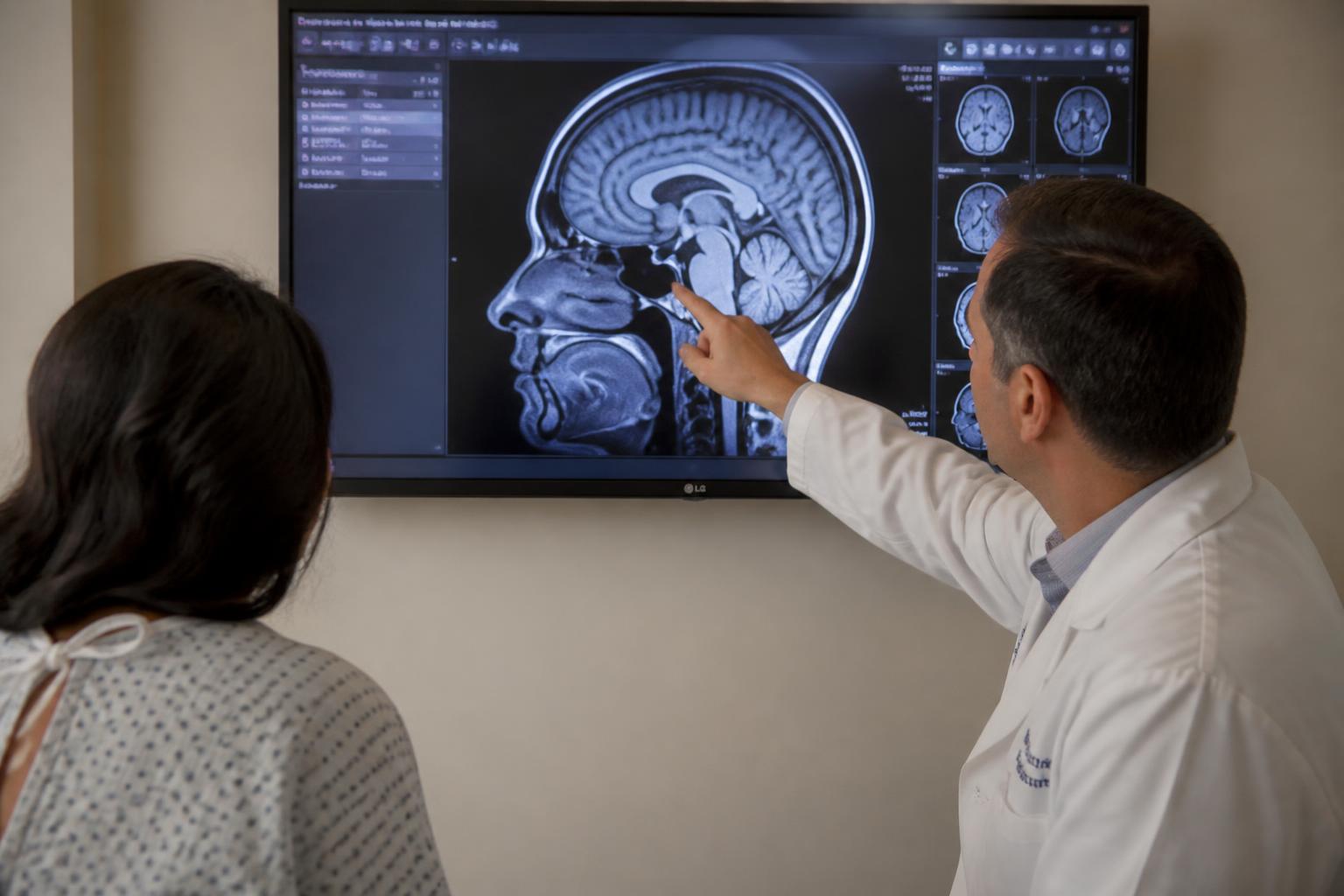
Electroencephalogram (EEG) and brain MRI are key examinations. Antiepileptic drugs (levetiracetam, valproate, lamotrigine) control seizures in about 70% of patients. For resistant epilepsies, surgery, vagus nerve stimulation, or the ketogenic diet may be considered.
Living with epilepsy
Driving is subject to specific rules (seizure-free period required). Treatment adherence, sufficient sleep, and avoidance of triggers (alcohol, lack of sleep, stress) are essential. Stigma remains a major challenge: education and awareness are crucial.
The words explained
Medical terms used above, in everyday language.
- Diagnosis
- The moment a doctor identifies which illness is causing your symptoms.
When should you see a doctor?
- Your symptoms last more than a few weeks or keep coming back.
- They get worse quickly, or stop you doing everyday things.
- You notice sudden pain, breathing trouble, fainting or bleeding — seek urgent care.
- You already take medication and want to change anything about it.
This article explains general health information. It does not replace advice from your own doctor.
Frequently asked questions
- What is Epilepsy: Living with the Disease and Controlling Seizures?
- Epilepsy is not a fatality. With appropriate treatment, 70% of patients can control their seizures and lead a normal life.
- What are the main symptoms or signs of Epilepsy: Living with the Disease and Controlling Seizures?
- Common signs vary from person to person. The article above lists the symptoms to watch for, how they progress, and when they need medical attention.
- When should you see a doctor for Epilepsy: Living with the Disease and Controlling Seizures?
- See a doctor if symptoms last more than a few weeks, get worse quickly, stop you doing everyday things, or if you notice sudden pain, breathing trouble, fainting or bleeding.
Related health topics

Neurology
Migraine: Much More Than Just a Headache
Pulsating pain, nausea, light sensitivity: migraine is a debilitating neurological disease. Therapeutic advances offer new hope.
Neurology
Parkinson's Disease: Beyond the Tremor
Tremors, slow movements, stiffness: Parkinson's disease goes far beyond these motor symptoms. Understand to live better with it.
Neurology
Multiple Sclerosis: Living with an Autoimmune Brain Disease
Vision problems, numbness, fatigue: multiple sclerosis often strikes between 20 and 40 years old. Current treatments can slow its progression.
Neurology
Parkinson's disease: slowing progression
Levodopa, dopamine agonists, deep brain stimulation: an arsenal to preserve autonomy.