
Type 1 Diabetes: Living with Insulin Daily
An autoimmune disease affecting children and adults
Dr. Isabelle Morin
Diabetologist
In simple terms
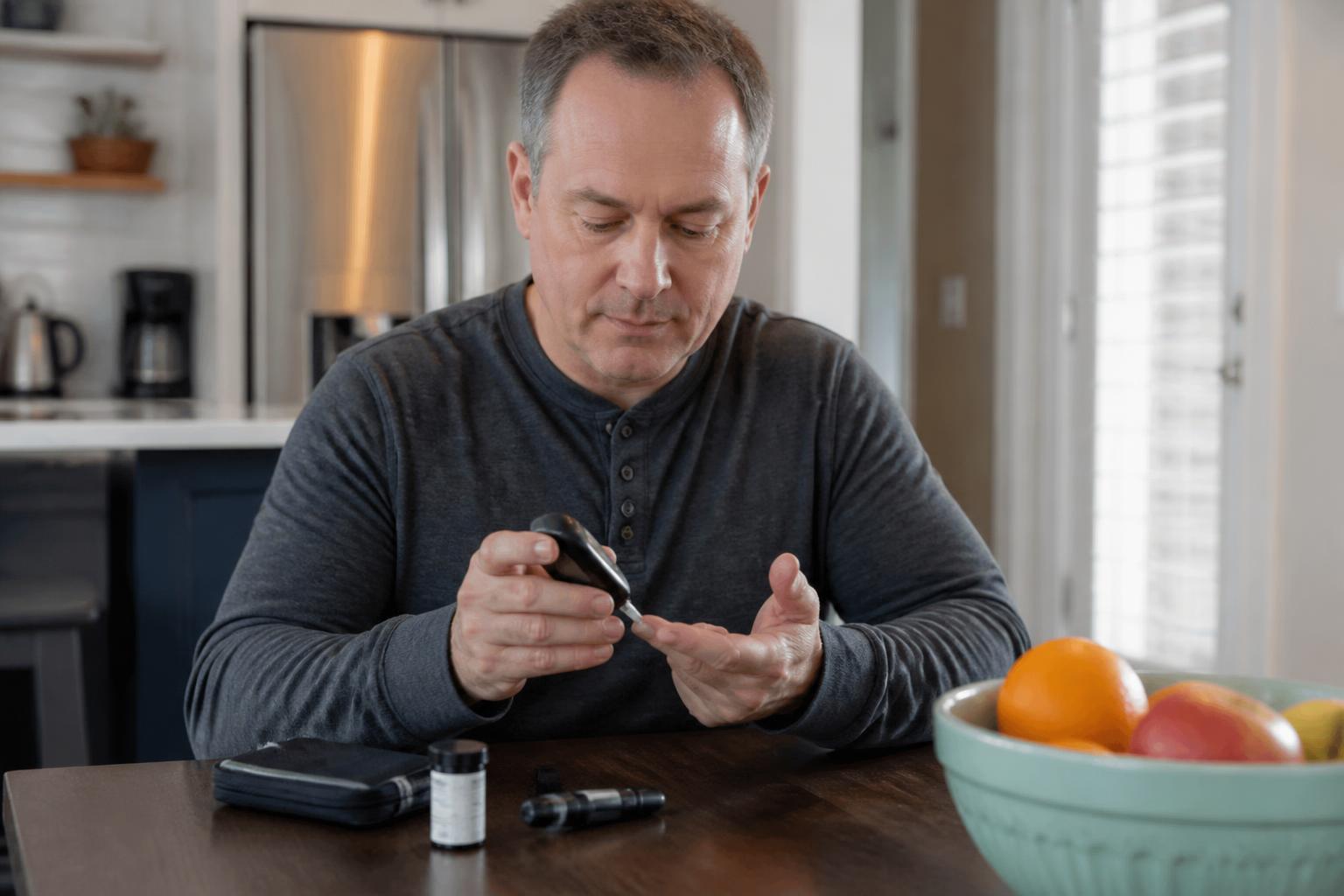
Type 1 diabetes requires lifelong insulin injections. Insulin pumps and continuous glucose monitors are transforming patients' lives.
An autoimmune disease
Type 1 diabetes occurs when the immune system destroys the beta cells in the pancreas that produce insulin. Without insulin, glucose cannot enter cells and accumulates in the blood. It accounts for 5-10% of diabetes cases and most often develops in children and young adults.
Warning signs
Onset is often sudden: intense thirst, abundant urination, rapid weight loss despite preserved appetite, extreme fatigue. Without treatment, diabetic ketoacidosis—a life-threatening emergency—can occur within hours.
Modern technologies
Insulin pumps deliver insulin continuously and automatically adjust doses thanks to continuous glucose monitors (CGMs). Closed-loop systems ("artificial pancreases") combine pump and sensor to maintain blood sugar within target with minimal patient intervention.
Research and future
Islet cell transplantation, immunotherapy (teplizumab) to delay the onset of diabetes in at-risk individuals, and insulin-producing stem cells are actively explored avenues.
The words explained
Medical terms used above, in everyday language.
- Immune system
- Your body's defence team: cells that fight germs and repair damage.
- Insulin
- The hormone that lets sugar move from your blood into your cells for energy.
- Blood sugar
- The amount of sugar circulating in your blood, your body's main fuel.
When should you see a doctor?
- Your symptoms last more than a few weeks or keep coming back.
- They get worse quickly, or stop you doing everyday things.
- You notice sudden pain, breathing trouble, fainting or bleeding — seek urgent care.
- You already take medication and want to change anything about it.
This article explains general health information. It does not replace advice from your own doctor.
Frequently asked questions
- What is Type 1 Diabetes: Living with Insulin Daily?
- Type 1 diabetes requires lifelong insulin injections. Insulin pumps and continuous glucose monitors are transforming patients' lives.
- What are the main symptoms or signs of Type 1 Diabetes: Living with Insulin Daily?
- Common signs vary from person to person. The article above lists the symptoms to watch for, how they progress, and when they need medical attention.
- When should you see a doctor for Type 1 Diabetes: Living with Insulin Daily?
- See a doctor if symptoms last more than a few weeks, get worse quickly, stop you doing everyday things, or if you notice sudden pain, breathing trouble, fainting or bleeding.
Related health topics
Diabetes & Endocrinology
Type 2 Diabetes: Preventing and Managing the Disease of the Century
Type 2 diabetes is often linked to lifestyle. Simple changes can prevent its onset or significantly improve its control.
Neurology
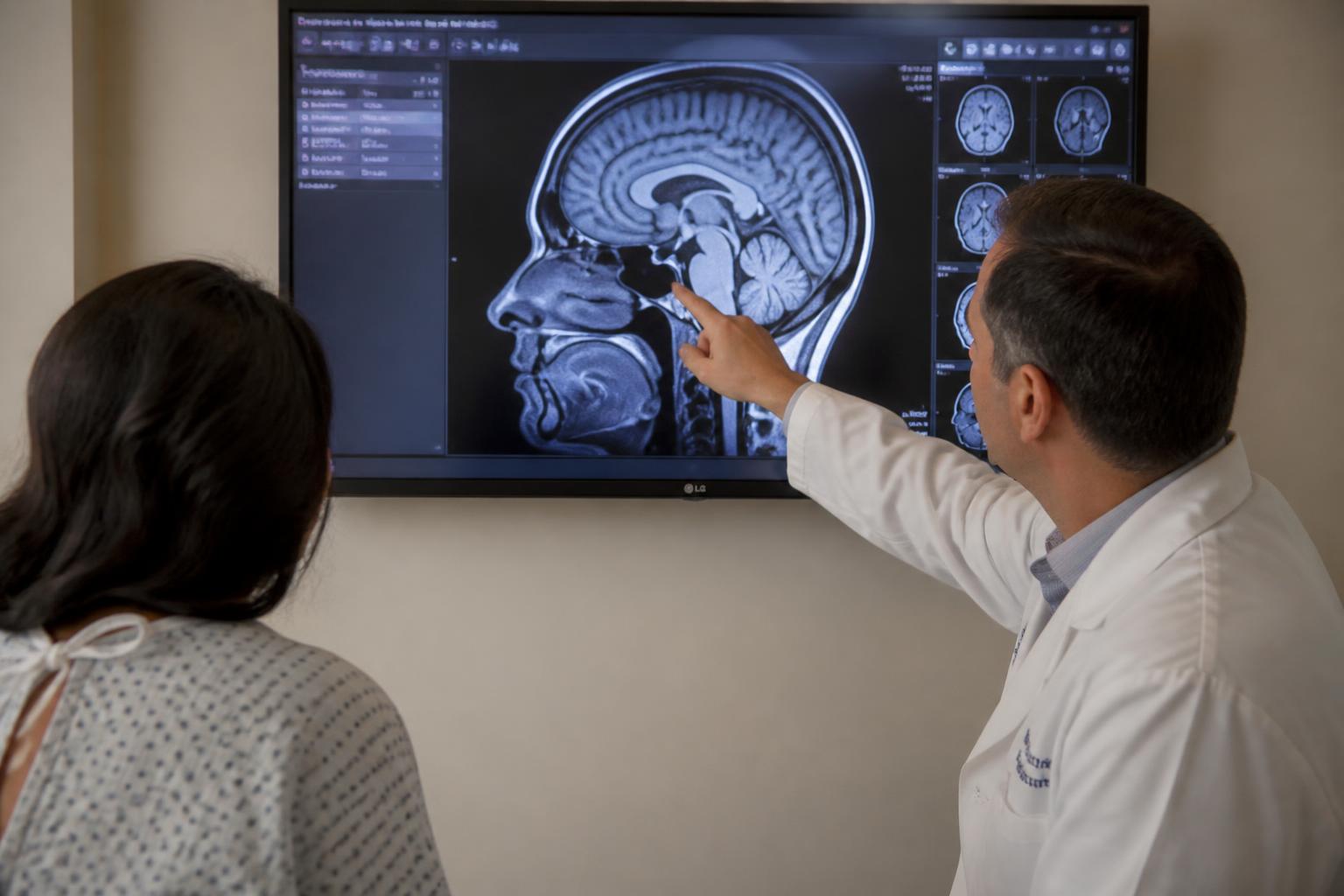
Multiple Sclerosis: Living with an Autoimmune Brain Disease
Vision problems, numbness, fatigue: multiple sclerosis often strikes between 20 and 40 years old. Current treatments can slow its progression.
Diabetes & Endocrinology
Preventing type 2 diabetes: the daily levers
Weight, movement, sleep and fibre together cut risk by more than half in people at risk.
Diabetes & Endocrinology
Hypoglycaemia: low blood sugar and how to correct it fast
Recognising the two phases of symptoms, the rule of 15, and what to do when someone cannot swallow.