Type 2 Diabetes: Preventing and Managing the Disease of the Century
422 million diabetics worldwide according to health authorities
Dr. François Leclerc
Endocrinologist
In simple terms
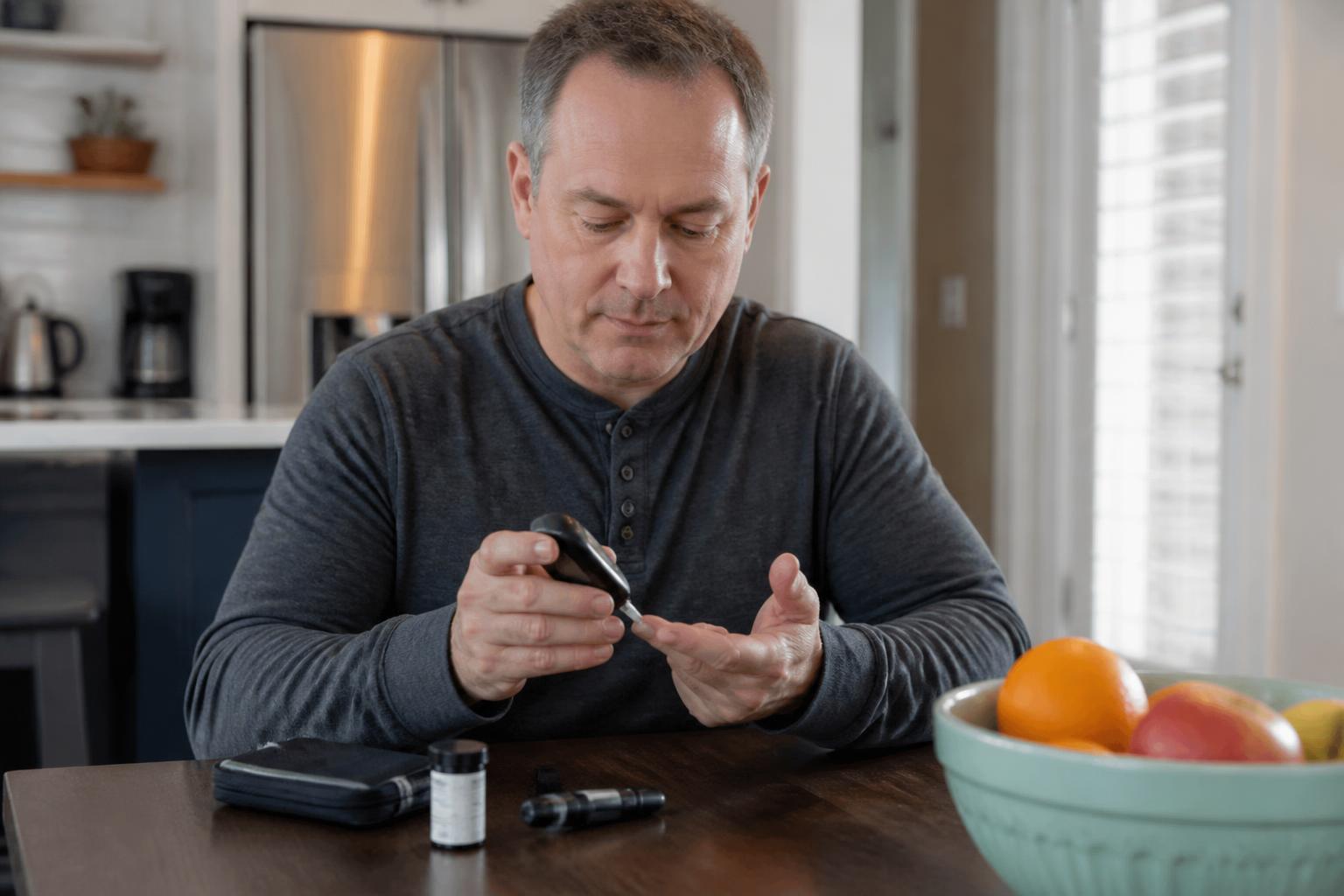
Type 2 diabetes is often linked to lifestyle. Simple changes can prevent its onset or significantly improve its control.
Understanding Type 2 Diabetes
Type 2 diabetes accounts for about 90% of all diabetes cases. It is characterized by cellular resistance to insulin and/or insufficient insulin production by the pancreas. According to health authorities, 422 million people worldwide have diabetes, a figure that has quadrupled in 40 years.
Risk factors
Overweight (especially abdominal obesity), physical inactivity, family history, age (> 45 years), gestational diabetes, and certain ethnic origins increase the risk. Prediabetes (fasting blood sugar between 1.10 and 1.25 g/L) is a warning sign not to be ignored.
Long-term complications
Poorly controlled diabetes damages small blood vessels (retinopathy, nephropathy, neuropathy) and large blood vessels (heart attack, stroke, arteritis). Diabetic foot is a feared complication that can lead to amputation. Monitoring glycated hemoglobin (HbA1c < 7%) is essential.
Treatment and lifestyle
Metformin is the first-line treatment. GLP-1 agonists (semaglutide, liraglutide) and SGLT2 inhibitors show cardiovascular and renal benefits. A balanced diet, physical exercise (150 min/week), and a 5-10% weight loss can normalize blood sugar in some patients.
The words explained
Medical terms used above, in everyday language.
- Risk factor
- Something that makes an illness more likely, such as smoking or family history.
- Insulin
- The hormone that lets sugar move from your blood into your cells for energy.
- Blood sugar
- The amount of sugar circulating in your blood, your body's main fuel.
- Cardiovascular
- Related to the heart and blood vessels.
When should you see a doctor?
- Your symptoms last more than a few weeks or keep coming back.
- They get worse quickly, or stop you doing everyday things.
- You notice sudden pain, breathing trouble, fainting or bleeding — seek urgent care.
- You already take medication and want to change anything about it.
This article explains general health information. It does not replace advice from your own doctor.
Frequently asked questions
- What is Type 2 Diabetes: Preventing and Managing the Disease of the Century?
- Type 2 diabetes is often linked to lifestyle. Simple changes can prevent its onset or significantly improve its control.
- What are the main symptoms or signs of Type 2 Diabetes: Preventing and Managing the Disease of the Century?
- Common signs vary from person to person. The article above lists the symptoms to watch for, how they progress, and when they need medical attention.
- When should you see a doctor for Type 2 Diabetes: Preventing and Managing the Disease of the Century?
- See a doctor if symptoms last more than a few weeks, get worse quickly, stop you doing everyday things, or if you notice sudden pain, breathing trouble, fainting or bleeding.
Related health topics
Diabetes & Endocrinology
Preventing type 2 diabetes: the daily levers
Weight, movement, sleep and fibre together cut risk by more than half in people at risk.
Diabetes & Endocrinology
Type 1 Diabetes: Living with Insulin Daily
Type 1 diabetes requires lifelong insulin injections. Insulin pumps and continuous glucose monitors are transforming patients' lives.
Diabetes & Endocrinology
Hypoglycaemia: low blood sugar and how to correct it fast
Recognising the two phases of symptoms, the rule of 15, and what to do when someone cannot swallow.

Infectious Diseases
Seasonal Flu: Symptoms, Complications, and Prevention
Sudden fever, body aches, intense fatigue: seasonal flu is not a simple cold. Discover how to protect yourself effectively.
Infectious Diseases
Urinary Tract Infections: Why They Recur and How to Prevent Them
Burning during urination, frequent urges, pelvic pain: urinary tract infections primarily affect women. Here's how to understand and prevent them.

Infectious Diseases
STIs: Regular Screening, Your Best Protection
Chlamydia, gonorrhea, syphilis, HIV: sexually transmitted infections are on the rise. Regular screening is the key to a healthy sex life.