STIs: Regular Screening, Your Best Protection
More than a million new STIs every day worldwide
Dr. Julie Moreau
Dermatologist-Venereologist

In simple terms
Chlamydia, gonorrhea, syphilis, HIV: sexually transmitted infections are on the rise. Regular screening is the key to a healthy sex life.
Alarming figures
Estimates suggest that more than one million new sexually transmitted infections (STIs) occur every day worldwide. The four most common curable STIs are chlamydia (129 million cases/year), gonorrhea (82 million), syphilis (7.1 million), and trichomoniasis (156 million).
Why screening is crucial
Most STIs are asymptomatic, especially in women. Without treatment, they can lead to serious complications: infertility, ectopic pregnancy, transmission to the newborn, increased risk of cervical cancer (HPV). Screening allows early treatment and reduces transmission.
When to get screened
With each change of partner, in case of unprotected intercourse, annually if you have multiple partners, and systematically at the beginning of pregnancy. HIV testing is recommended at least once in a lifetime for anyone aged 15 to 70.
Prevention
Condoms (male or female) remain the most effective method. HPV vaccination is recommended for girls and boys from 11 years old. PrEP (pre-exposure prophylaxis) effectively protects against HIV.
The words explained
Medical terms used above, in everyday language.
- Prevention
- Steps taken before a problem starts, to make it less likely.
- Screening
- A check-up done before you feel ill, to catch a problem early.
- Vaccine
- A safe training session for your immune system, so it can fight a germ later.
When should you see a doctor?
- Your symptoms last more than a few weeks or keep coming back.
- They get worse quickly, or stop you doing everyday things.
- You notice sudden pain, breathing trouble, fainting or bleeding — seek urgent care.
- You already take medication and want to change anything about it.
This article explains general health information. It does not replace advice from your own doctor.
Frequently asked questions
- What is STIs: Regular Screening, Your Best Protection?
- Chlamydia, gonorrhea, syphilis, HIV: sexually transmitted infections are on the rise. Regular screening is the key to a healthy sex life.
- What are the main symptoms or signs of STIs: Regular Screening, Your Best Protection?
- Common signs vary from person to person. The article above lists the symptoms to watch for, how they progress, and when they need medical attention.
- When should you see a doctor for STIs: Regular Screening, Your Best Protection?
- See a doctor if symptoms last more than a few weeks, get worse quickly, stop you doing everyday things, or if you notice sudden pain, breathing trouble, fainting or bleeding.
Related health topics
Infectious Diseases
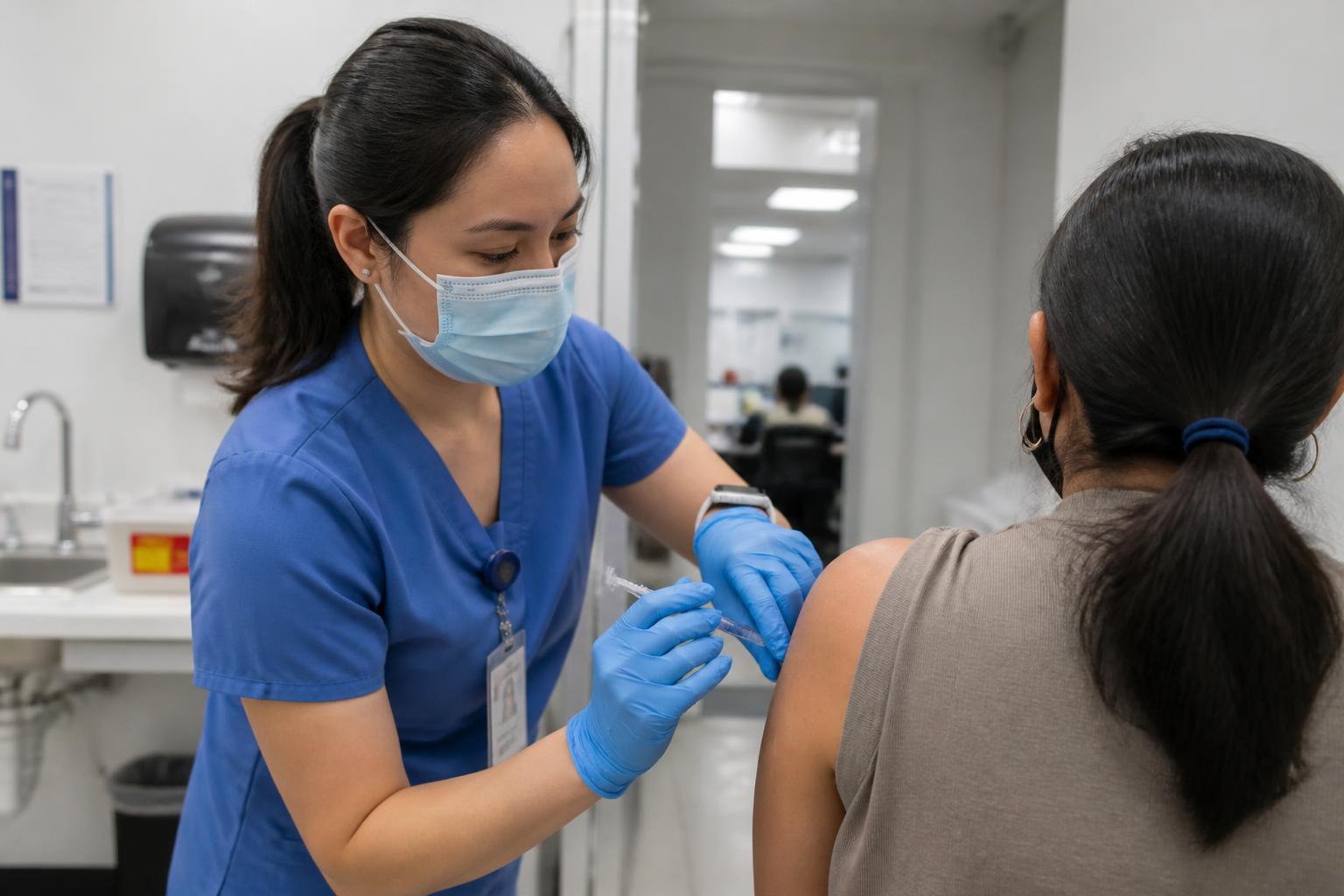
Seasonal Flu: Symptoms, Complications, and Prevention
Sudden fever, body aches, intense fatigue: seasonal flu is not a simple cold. Discover how to protect yourself effectively.
Infectious Diseases
Hepatitis B: A Silent Infection Affecting 296 Million People
Chronic hepatitis B often progresses without symptoms for years before revealing serious liver damage. Screening is crucial.
Infectious Diseases
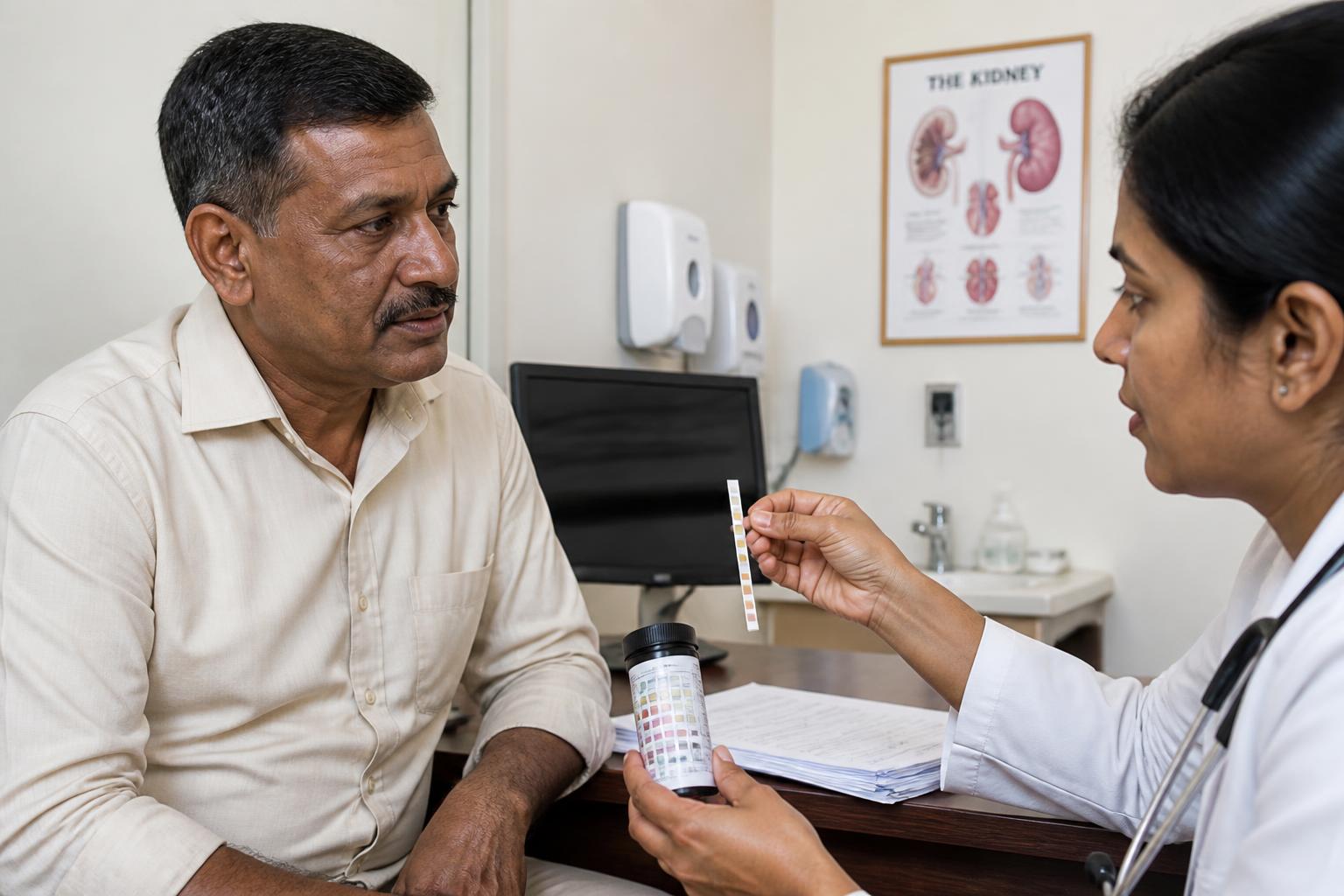
Urinary Tract Infections: Why They Recur and How to Prevent Them
Burning during urination, frequent urges, pelvic pain: urinary tract infections primarily affect women. Here's how to understand and prevent them.

Neurology
Alzheimer's Disease: Recognizing Early Signs and Acting Soon
Recent memory loss, disorientation, language difficulties: the first signs of Alzheimer's are often confused with normal aging.
Neurology
Stroke: Every Minute Counts to Save the Brain
Falling face, weak arm, difficulty speaking: recognizing the signs of a stroke and calling 911 immediately can save lives and limit sequelae.
Diabetes & Endocrinology
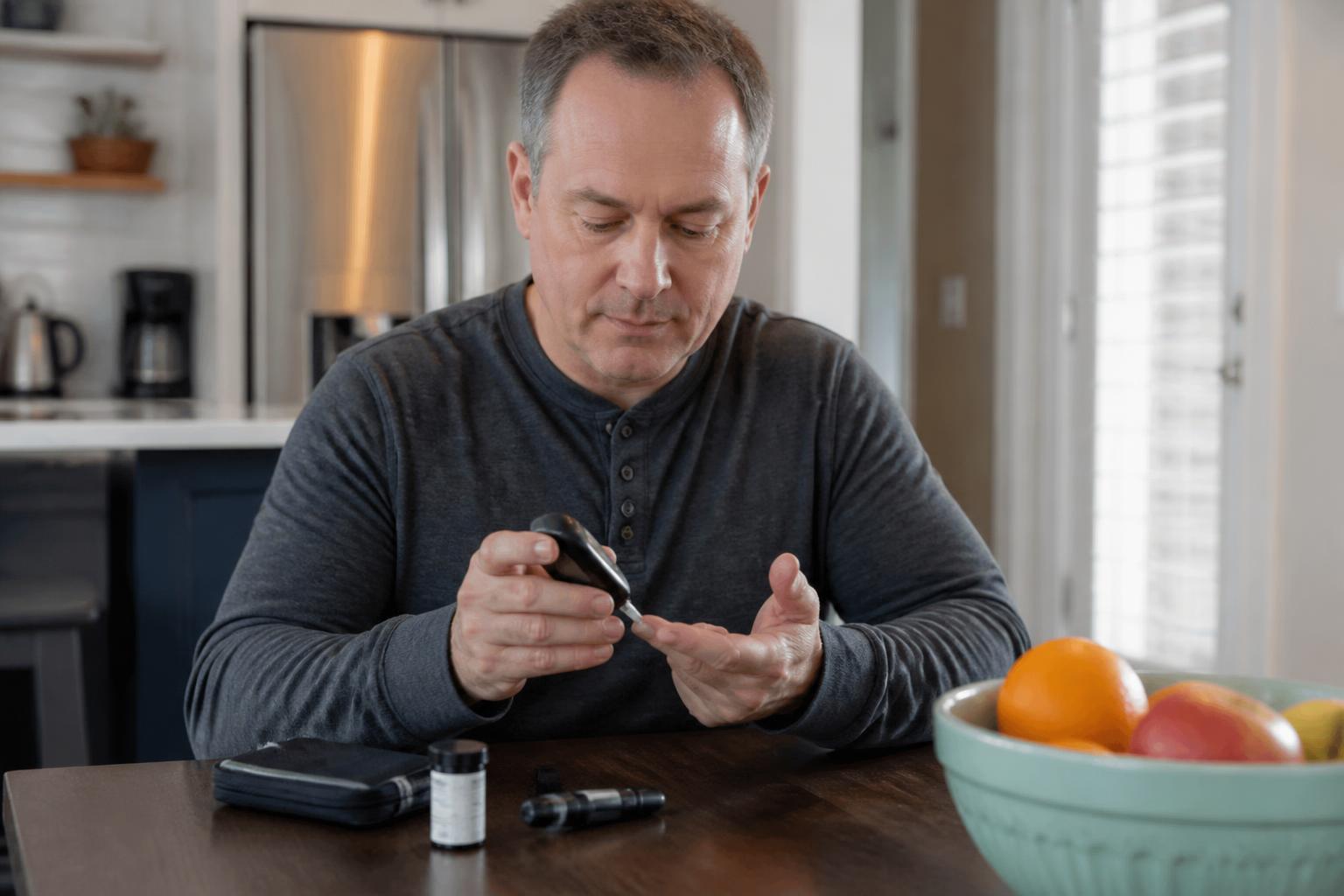
Type 2 Diabetes: Preventing and Managing the Disease of the Century
Type 2 diabetes is often linked to lifestyle. Simple changes can prevent its onset or significantly improve its control.