Stroke: Every Minute Counts to Save the Brain
Stroke is the leading cause of acquired disability in adults
Dr. Catherine Vidal
Vascular Neurologist
In simple terms
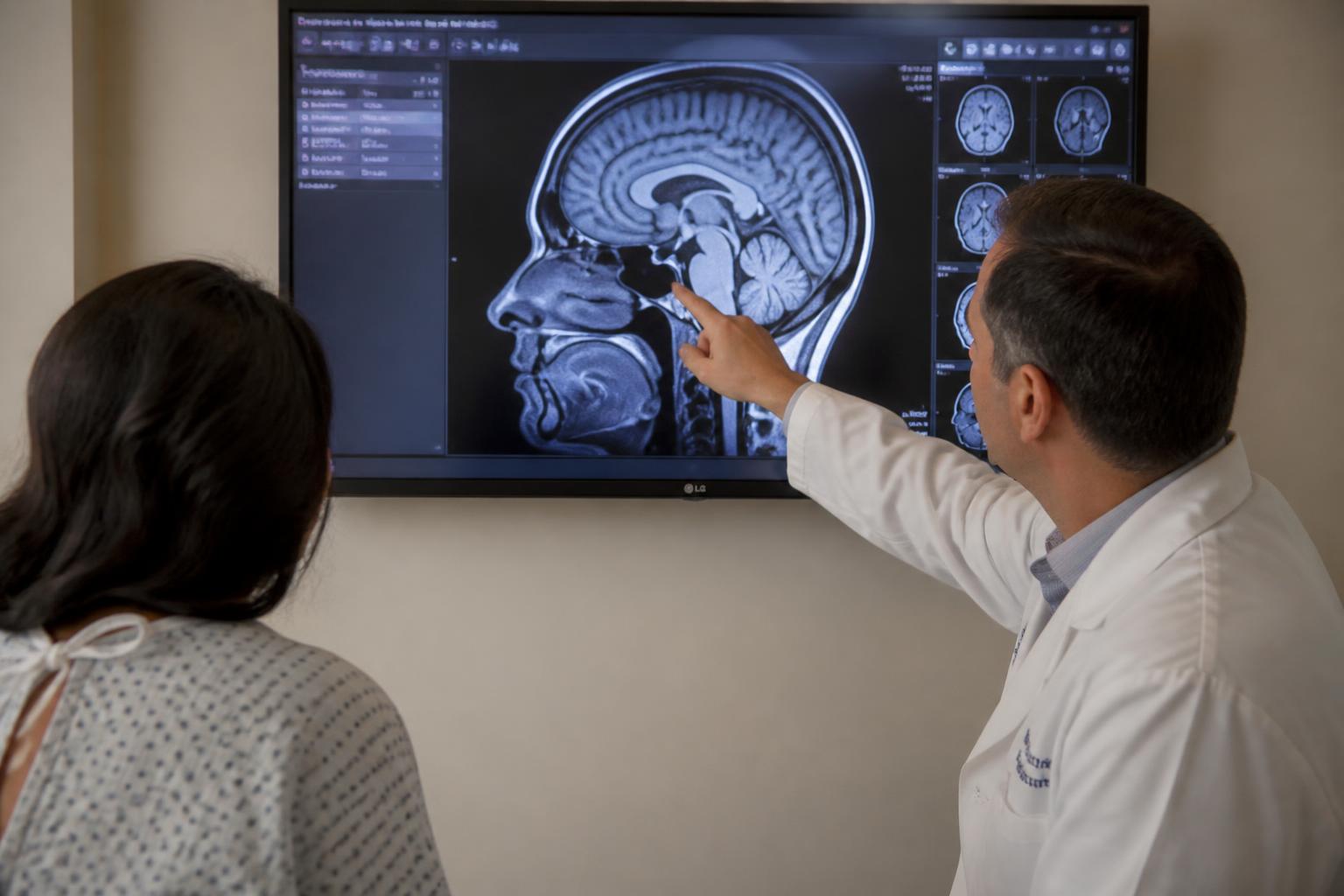
Falling face, weak arm, difficulty speaking: recognizing the signs of a stroke and calling 911 immediately can save lives and limit sequelae.
What is a Stroke?
A stroke occurs when the blood supply to the brain is interrupted (ischemic stroke, 85% of cases) or when a blood vessel ruptures (hemorrhagic stroke). Every minute without treatment, 1.9 million neurons are destroyed. In France, a stroke occurs every 4 minutes.
Recognize the signs: FAST
F as in Face drooping, A as in Arm weakness, S as in Speech difficulty, T as in Time to call 911 (15 in France). Other possible signs: sudden loss of vision, sudden unusual severe headache, intense dizziness with loss of balance.
Emergency management
Thrombolysis (clot dissolution) must be administered within 4.5 hours of the first symptoms. Mechanical thrombectomy (clot removal by catheter) can be performed up to 24 hours in some cases. The faster the treatment, the better the chances of recovery.
Prevention
High blood pressure is the number one risk factor (present in 80% of strokes). Blood pressure control, smoking cessation, physical activity, alcohol limitation, and treatment of atrial fibrillation significantly reduce the risk.
The words explained
Medical terms used above, in everyday language.
- Symptom
- A sign you can feel or see that something is wrong, like pain, tiredness or a rash.
- Risk factor
- Something that makes an illness more likely, such as smoking or family history.
- Blood pressure
- The force of blood pushing against your artery walls. Too high, over years, damages the heart and vessels.
- Prevention
- Steps taken before a problem starts, to make it less likely.
When should you see a doctor?
- Your symptoms last more than a few weeks or keep coming back.
- They get worse quickly, or stop you doing everyday things.
- You notice sudden pain, breathing trouble, fainting or bleeding — seek urgent care.
- You already take medication and want to change anything about it.
This article explains general health information. It does not replace advice from your own doctor.
Frequently asked questions
- What is Stroke: Every Minute Counts to Save the Brain?
- Falling face, weak arm, difficulty speaking: recognizing the signs of a stroke and calling 911 immediately can save lives and limit sequelae.
- What are the main symptoms or signs of Stroke: Every Minute Counts to Save the Brain?
- Common signs vary from person to person. The article above lists the symptoms to watch for, how they progress, and when they need medical attention.
- When should you see a doctor for Stroke: Every Minute Counts to Save the Brain?
- See a doctor if symptoms last more than a few weeks, get worse quickly, stop you doing everyday things, or if you notice sudden pain, breathing trouble, fainting or bleeding.
Related health topics
Cardiology
Stroke: Preventing the First Incident
High blood pressure, atrial fibrillation, smoking: risk factors are known and modifiable in the vast majority of cases.
Neurology
Stroke: Recognise It, Act Within the Hour
Stroke is the second cause of death worldwide. The FAST acronym helps anyone identify a stroke quickly.
Cardiology
Atrial Fibrillation: A Common but Risky Rhythm
Atrial fibrillation increases stroke risk fivefold. Diagnosis and rhythm management have advanced rapidly.

Infectious Diseases
Seasonal Flu: Symptoms, Complications, and Prevention
Sudden fever, body aches, intense fatigue: seasonal flu is not a simple cold. Discover how to protect yourself effectively.

Infectious Diseases
Urinary Tract Infections: Why They Recur and How to Prevent Them
Burning during urination, frequent urges, pelvic pain: urinary tract infections primarily affect women. Here's how to understand and prevent them.
Infectious Diseases
STIs: Regular Screening, Your Best Protection
Chlamydia, gonorrhea, syphilis, HIV: sexually transmitted infections are on the rise. Regular screening is the key to a healthy sex life.