Stroke: Recognise It, Act Within the Hour
Every minute counts to save brain tissue.
Dr. Marc Aubry
Cardiologist
In simple terms
Stroke is the second cause of death worldwide. The FAST acronym helps anyone identify a stroke quickly.
What you need to remember
- Two main types — Ischemic strokes (85%) come from a blocked vessel; hemorrhagic strokes (15%) from a ruptured vessel.
- Treatment window — Thrombolysis is most effective within 4.5 hours; mechanical thrombectomy extends the window for large-vessel occlusions to 6-24 hours in selected patients.
- Prevention — Blood pressure control, atrial fibrillation anticoagulation, statin therapy when indicated, smoking cessation and physical activity dramatically reduce risk.
- F: Face — does one side droop?
- A: Arms — can the person raise both?
- S: Speech — is it slurred?
- T: Time — call emergency services immediately
Two main types
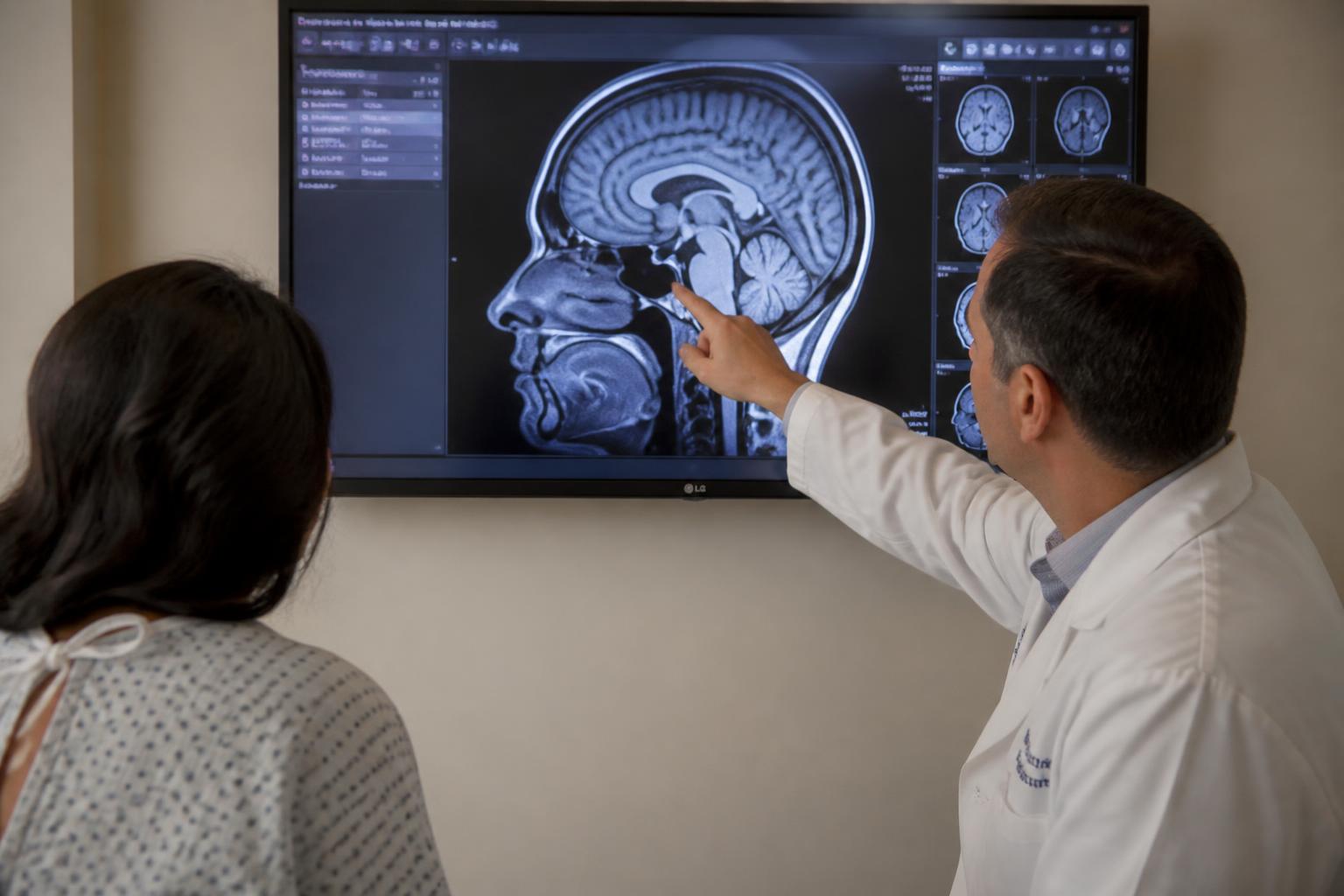
Ischemic strokes (85%) come from a blocked vessel; hemorrhagic strokes (15%) from a ruptured vessel. Imaging distinguishes them rapidly.
Treatment window
Thrombolysis is most effective within 4.5 hours; mechanical thrombectomy extends the window for large-vessel occlusions to 6-24 hours in selected patients.
Prevention
Blood pressure control, atrial fibrillation anticoagulation, statin therapy when indicated, smoking cessation and physical activity dramatically reduce risk.
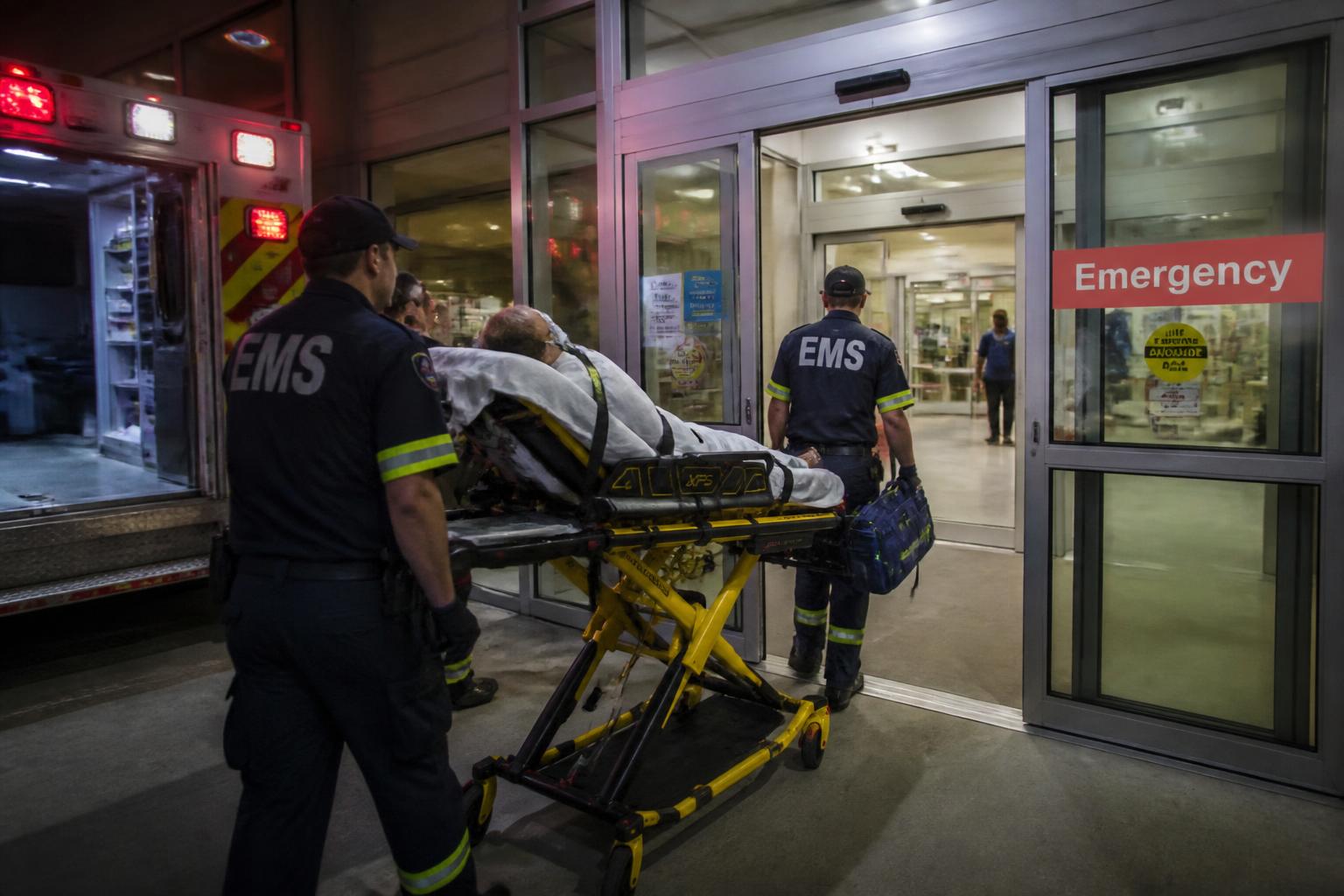
Calling emergency services beats driving to hospital: ambulance teams pre-alert stroke units.
The words explained
Medical terms used above, in everyday language.
- Blood pressure
- The force of blood pushing against your artery walls. Too high, over years, damages the heart and vessels.
- Prevention
- Steps taken before a problem starts, to make it less likely.
When should you see a doctor?
- Your symptoms last more than a few weeks or keep coming back.
- They get worse quickly, or stop you doing everyday things.
- You notice sudden pain, breathing trouble, fainting or bleeding — seek urgent care.
- You already take medication and want to change anything about it.
This article explains general health information. It does not replace advice from your own doctor.
Frequently asked questions
- What is Stroke: Recognise It, Act Within the Hour?
- Stroke is the second cause of death worldwide. The FAST acronym helps anyone identify a stroke quickly.
- What are the main symptoms or signs of Stroke: Recognise It, Act Within the Hour?
- Common signs vary from person to person. The article above lists the symptoms to watch for, how they progress, and when they need medical attention.
- When should you see a doctor for Stroke: Recognise It, Act Within the Hour?
- See a doctor if symptoms last more than a few weeks, get worse quickly, stop you doing everyday things, or if you notice sudden pain, breathing trouble, fainting or bleeding.
Related health topics
Cardiology
Heart Attack: Recognize Symptoms and Act Quickly
Typical chest pain is not the only sign. In women, symptoms are often atypical. Knowing how to recognize them saves lives.
Cardiology
Stroke: Preventing the First Incident
High blood pressure, atrial fibrillation, smoking: risk factors are known and modifiable in the vast majority of cases.
Nutrition
Sugar: real addiction or just a habit?
Sugar activates the same reward pathways as drugs, but calling it an addiction in the medical sense remains controversial. How to reduce your consumption.
Cardiology
Atrial Fibrillation: A Common but Risky Rhythm
Atrial fibrillation increases stroke risk fivefold. Diagnosis and rhythm management have advanced rapidly.
Allergies & Immunity
Anaphylaxis: Recognise It, Inject Adrenaline
Anaphylaxis is a rapidly evolving multi-system allergic reaction. Adrenaline is the only treatment that saves lives.

Infectious Diseases
Fever in Adults: When to Worry
Fever is a defence mechanism, not a disease. Knowing when it warrants urgent care is essential.