Heart Attack: Recognize Symptoms and Act Quickly
Every minute counts.
Dr. Marc Dufresne
Cardiologist
In simple terms
Typical chest pain is not the only sign. In women, symptoms are often atypical. Knowing how to recognize them saves lives.
What you need to remember
- Classic Symptoms — Oppressive chest pain, like a vise, radiating to the left arm, jaw, or back
- What to Do? — Call 112 (emergency services) immediately.**
A myocardial infarction occurs when a coronary artery becomes blocked, depriving part of the heart muscle of oxygen. Without rapid intervention, heart cells die irreversibly.
Classic Symptoms
- Oppressive chest pain, like a vise, radiating to the left arm, jaw, or back
- Sudden shortness of breath
- Cold sweats
- Nausea, vomiting
- Intense feeling of anxiety
Atypical Symptoms (common in women)
- Unusual and sudden fatigue
- Upper abdominal pain
- Shortness of breath without chest pain
- General malaise with dizziness
What to Do?
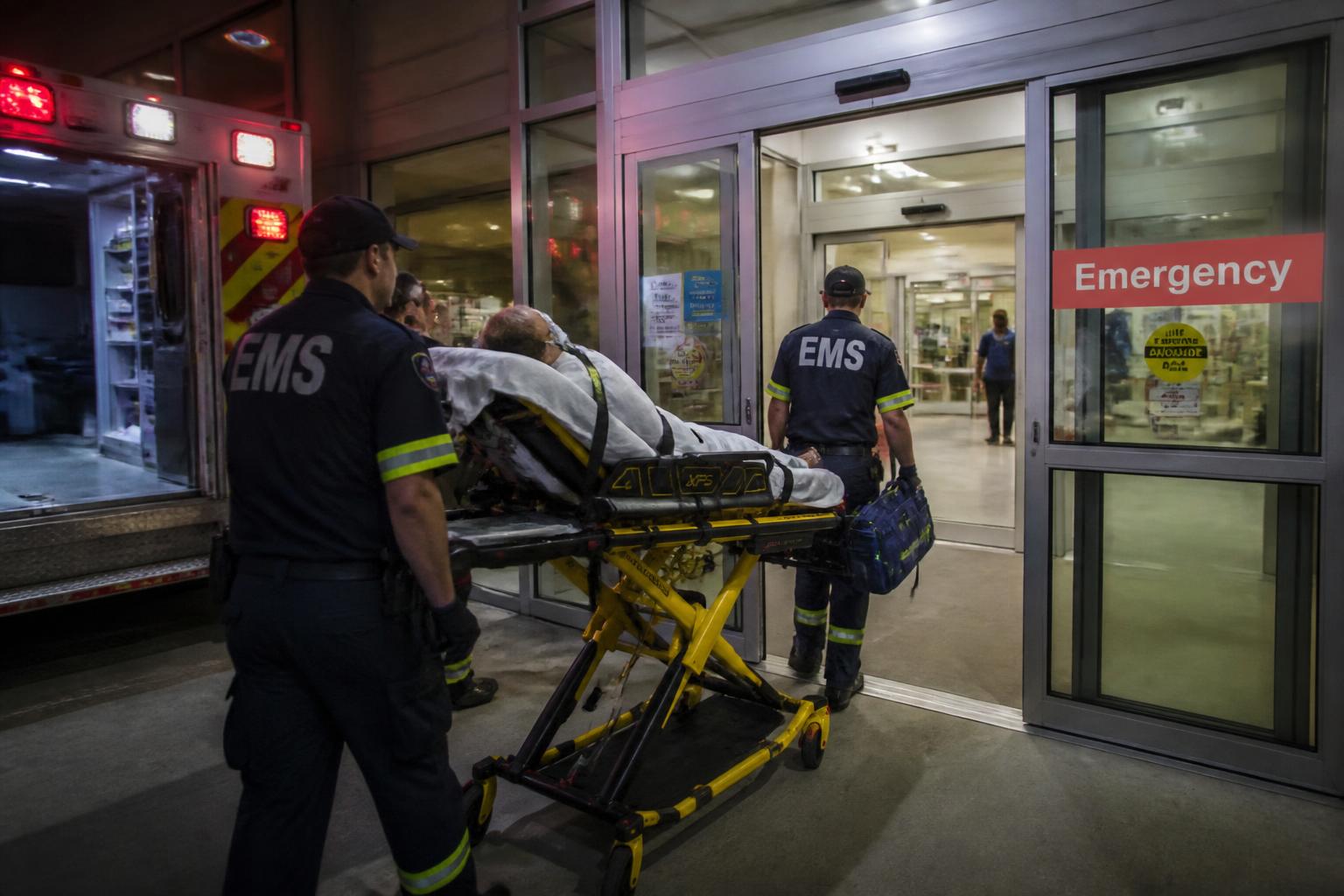
- Call 112 (emergency services) immediately.
- Sit or lie in a semi-seated position.
- Take aspirin (300 mg) if available and no known allergies.
- Do not drive yourself to the emergency room.
The ideal time for revascularization is less than 90 minutes after symptom onset. Every minute of delay increases the size of the infarcted area.
The words explained
Medical terms used above, in everyday language.
- Symptom
- A sign you can feel or see that something is wrong, like pain, tiredness or a rash.
- Anxiety
- Ongoing worry or fear that is strong enough to affect daily life.
When should you see a doctor?
- Your symptoms last more than a few weeks or keep coming back.
- They get worse quickly, or stop you doing everyday things.
- You notice sudden pain, breathing trouble, fainting or bleeding — seek urgent care.
- You already take medication and want to change anything about it.
This article explains general health information. It does not replace advice from your own doctor.
Frequently asked questions
- What is Heart Attack: Recognize Symptoms and Act Quickly?
- Typical chest pain is not the only sign. In women, symptoms are often atypical. Knowing how to recognize them saves lives.
- What are the main symptoms or signs of Heart Attack: Recognize Symptoms and Act Quickly?
- Common signs vary from person to person. The article above lists the symptoms to watch for, how they progress, and when they need medical attention.
- When should you see a doctor for Heart Attack: Recognize Symptoms and Act Quickly?
- See a doctor if symptoms last more than a few weeks, get worse quickly, stop you doing everyday things, or if you notice sudden pain, breathing trouble, fainting or bleeding.
Related health topics

Infectious Diseases
Fever in Adults: When to Worry
Fever is a defence mechanism, not a disease. Knowing when it warrants urgent care is essential.
Neurology
Stroke: Recognise It, Act Within the Hour
Stroke is the second cause of death worldwide. The FAST acronym helps anyone identify a stroke quickly.
Allergies & Immunity
Anaphylaxis: Recognise It, Inject Adrenaline
Anaphylaxis is a rapidly evolving multi-system allergic reaction. Adrenaline is the only treatment that saves lives.
Pulmonology
Persistent Cough: A Symptom Worth Investigating
Persistent cough has many causes. A systematic approach narrows them down quickly.
Cardiology
Chest Pain: Recognising the Warning Signs
Chest pain is among the most anxiety-provoking symptoms. Quick triage saves lives without overwhelming hospitals.

Conditions
Chronic Fatigue: A Symptom That Deserves a Workup
Fatigue is one of the most common reasons for medical consultation. A structured approach finds the cause in most cases.