Alzheimer's Disease: Recognizing Early Signs and Acting Soon
55 million people live with dementia worldwide
Dr. Anne Dupont
Geriatric Neurologist
In simple terms
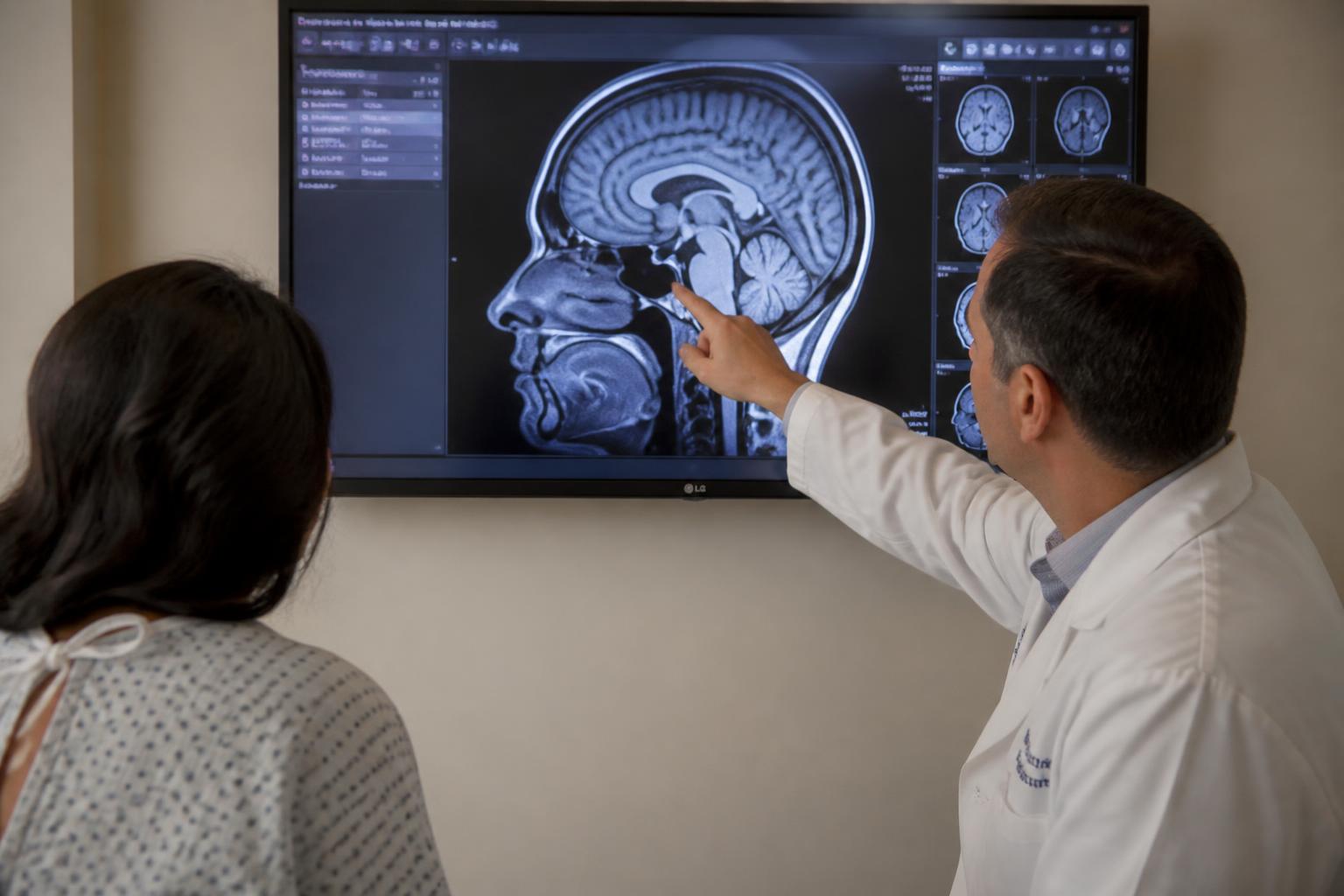
Recent memory loss, disorientation, language difficulties: the first signs of Alzheimer's are often confused with normal aging.
Understanding Alzheimer's Disease
Alzheimer's disease is a progressive neurodegenerative pathology that destroys neurons, leading to irreversible cognitive decline. It accounts for 60 to 70% of all dementia cases. According to health authorities, 55 million people worldwide live with a form of dementia, a figure expected to triple by 2050.
The 10 warning signs
1. Memory loss affecting daily life. 2. Challenges in planning or solving problems. 3. Confusion with time or place. 4. Trouble understanding visual images. 5. New problems with words. 6. Misplacing things and losing the ability to retrace steps. 7. Decreased or poor judgment. 8. Withdrawal from work or social activities. 9. Changes in mood and personality. 10. Difficulty completing familiar tasks.
Modifiable risk factors
According to the Commission on Dementia, up to 40% of cases could be prevented or delayed by addressing 12 factors: hypertension, smoking, diabetes, obesity, physical inactivity, depression, social isolation, hearing loss, head trauma, air pollution, excessive alcohol consumption, and low education level.
Therapeutic advances
Monoclonal anti-amyloid antibodies (lecanemab, donanemab) represent the first treatments capable of slowing cognitive decline, although their effectiveness remains modest. Early diagnosis by blood biomarkers opens up new perspectives.
The words explained
Medical terms used above, in everyday language.
- Diagnosis
- The moment a doctor identifies which illness is causing your symptoms.
- Risk factor
- Something that makes an illness more likely, such as smoking or family history.
- Blood pressure
- The force of blood pushing against your artery walls. Too high, over years, damages the heart and vessels.
- Prevention
- Steps taken before a problem starts, to make it less likely.
- Antibody
- A protein your body makes to recognise and neutralise a specific germ.
- Cognitive
- Related to thinking: memory, attention, learning and decision-making.
When should you see a doctor?
- Your symptoms last more than a few weeks or keep coming back.
- They get worse quickly, or stop you doing everyday things.
- You notice sudden pain, breathing trouble, fainting or bleeding — seek urgent care.
- You already take medication and want to change anything about it.
This article explains general health information. It does not replace advice from your own doctor.
Frequently asked questions
- What is Alzheimer's Disease: Recognizing Early Signs and Acting Soon?
- Recent memory loss, disorientation, language difficulties: the first signs of Alzheimer's are often confused with normal aging.
- What are the main symptoms or signs of Alzheimer's Disease: Recognizing Early Signs and Acting Soon?
- Common signs vary from person to person. The article above lists the symptoms to watch for, how they progress, and when they need medical attention.
- When should you see a doctor for Alzheimer's Disease: Recognizing Early Signs and Acting Soon?
- See a doctor if symptoms last more than a few weeks, get worse quickly, stop you doing everyday things, or if you notice sudden pain, breathing trouble, fainting or bleeding.
Related health topics
Neurology
Alzheimer's disease: stages, diagnosis and new treatments
Early signs, biomarkers, lecanemab/donanemab: what's new against Alzheimer's in 2026.
Neurology
Alzheimer's Disease: Recognising Early Signs
Early detection enables better planning and access to therapies that may slow decline.

Infectious Diseases
Seasonal Flu: Symptoms, Complications, and Prevention
Sudden fever, body aches, intense fatigue: seasonal flu is not a simple cold. Discover how to protect yourself effectively.
Infectious Diseases
Urinary Tract Infections: Why They Recur and How to Prevent Them
Burning during urination, frequent urges, pelvic pain: urinary tract infections primarily affect women. Here's how to understand and prevent them.

Infectious Diseases
STIs: Regular Screening, Your Best Protection
Chlamydia, gonorrhea, syphilis, HIV: sexually transmitted infections are on the rise. Regular screening is the key to a healthy sex life.
Neurology
Stroke: Every Minute Counts to Save the Brain
Falling face, weak arm, difficulty speaking: recognizing the signs of a stroke and calling 911 immediately can save lives and limit sequelae.