Alzheimer's disease: stages, diagnosis and new treatments
Beyond memory loss
Dr. Antoine Mercier
Neurologist
In simple terms
Early signs, biomarkers, lecanemab/donanemab: what's new against Alzheimer's in 2026.
A progressive neurodegenerative disease
Alzheimer's is the leading cause of dementia. Amyloid plaques and tau tangles accumulate in the brain, destroying neurons. Risk factors: age, ApoE4 genotype, cardiovascular comorbidities, hearing loss, low education.
Early signs
Recent memory loss, word-finding difficulties, disorientation in familiar places, behavioral changes, withdrawal from activities.
Modern diagnosis
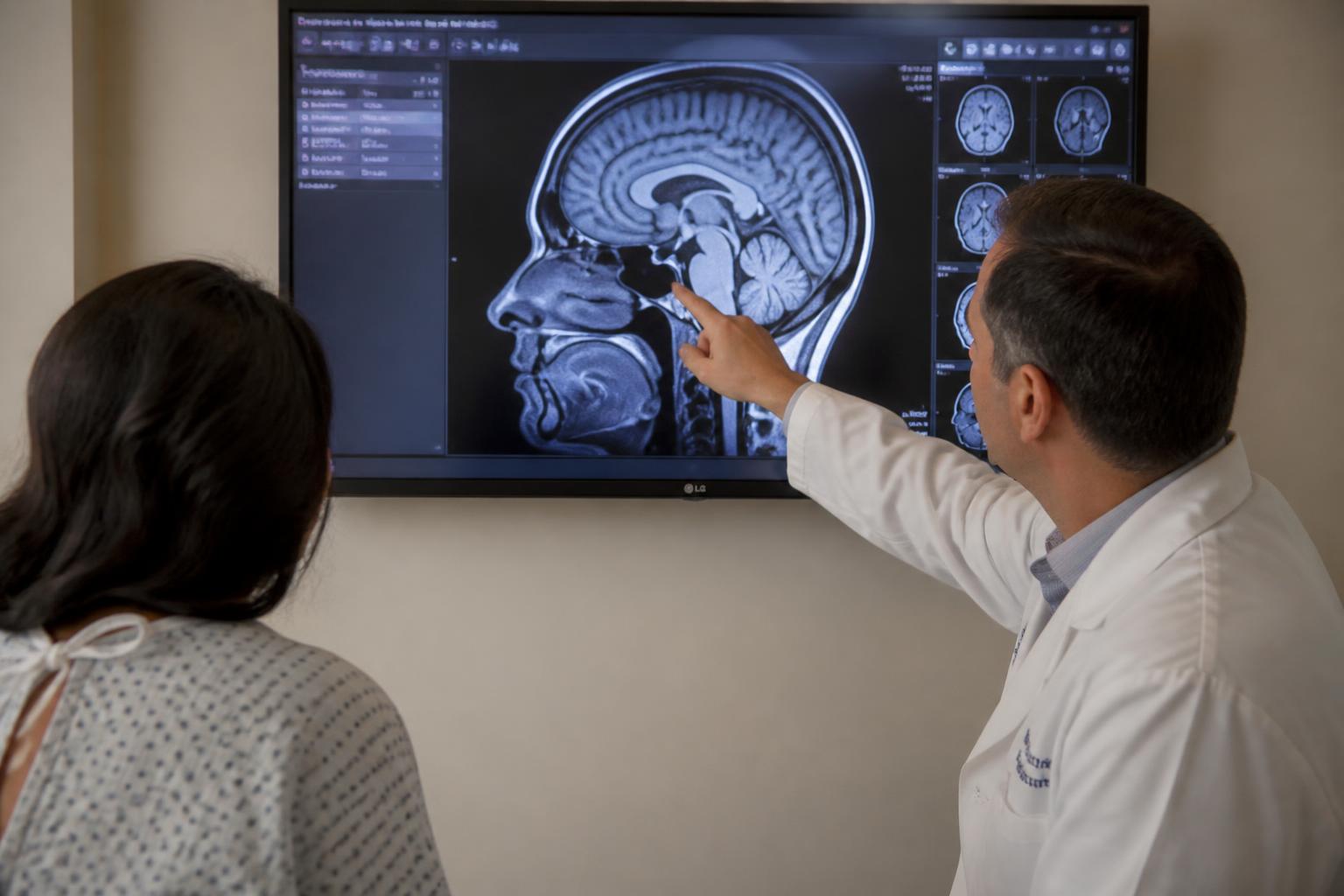
Cognitive testing (MMSE, MoCA), brain MRI, CSF biomarkers (Aβ42, tau), amyloid PET. Blood biomarkers (p-tau217) now emerging.
Treatments
- Cholinesterase inhibitors (donepezil, rivastigmine) and memantine: symptomatic
- Lecanemab, donanemab: anti-amyloid antibodies, first disease-modifying drugs approved in early stages
- Non-drug: cognitive stimulation, physical activity, social engagement
Prevention
Control blood pressure, diabetes, manage hearing loss, Mediterranean diet, sleep, lifelong learning.
The words explained
Medical terms used above, in everyday language.
- Symptom
- A sign you can feel or see that something is wrong, like pain, tiredness or a rash.
- Diagnosis
- The moment a doctor identifies which illness is causing your symptoms.
- Risk factor
- Something that makes an illness more likely, such as smoking or family history.
- Blood pressure
- The force of blood pushing against your artery walls. Too high, over years, damages the heart and vessels.
- Cardiovascular
- Related to the heart and blood vessels.
- Prevention
- Steps taken before a problem starts, to make it less likely.
When should you see a doctor?
- Your symptoms last more than a few weeks or keep coming back.
- They get worse quickly, or stop you doing everyday things.
- You notice sudden pain, breathing trouble, fainting or bleeding — seek urgent care.
- You already take medication and want to change anything about it.
This article explains general health information. It does not replace advice from your own doctor.
Frequently asked questions
- What is Alzheimer's disease: stages, diagnosis and new treatments?
- Early signs, biomarkers, lecanemab/donanemab: what's new against Alzheimer's in 2026.
- What are the main symptoms or signs of Alzheimer's disease: stages, diagnosis and new treatments?
- Common signs vary from person to person. The article above lists the symptoms to watch for, how they progress, and when they need medical attention.
- When should you see a doctor for Alzheimer's disease: stages, diagnosis and new treatments?
- See a doctor if symptoms last more than a few weeks, get worse quickly, stop you doing everyday things, or if you notice sudden pain, breathing trouble, fainting or bleeding.
Related health topics
Neurology
Alzheimer's Disease: Recognizing Early Signs and Acting Soon
Recent memory loss, disorientation, language difficulties: the first signs of Alzheimer's are often confused with normal aging.
Neurology
Alzheimer's Disease: Recognising Early Signs
Early detection enables better planning and access to therapies that may slow decline.
Healthy Aging
Memory and Ageing: Normal Forgetting or a Warning Sign?
How to tell everyday age-related forgetfulness from changes that need assessment, and what protects the brain.