
Hepatitis B: A Silent Infection Affecting 296 Million People
The hepatitis B virus can remain dormant for decades
Dr. Karim Bensaïd
Hepatologist

In simple terms
Chronic hepatitis B often progresses without symptoms for years before revealing serious liver damage. Screening is crucial.
A virus with multiple transmission routes
The hepatitis B virus (HBV) is transmitted through blood, unprotected sexual intercourse, and from mother to child during childbirth. According to health authorities, approximately 296 million people live with chronic hepatitis B worldwide, and 820,000 die from it each year, mainly from cirrhosis or liver cancer.
Often asymptomatic disease
Most infected adults spontaneously clear the virus. However, 5 to 10% develop a chronic form. Chronic infection can remain silent for 20 to 30 years while progressively damaging the liver. Late symptoms include fatigue, jaundice, abdominal pain, and loss of appetite.
Screening and diagnosis
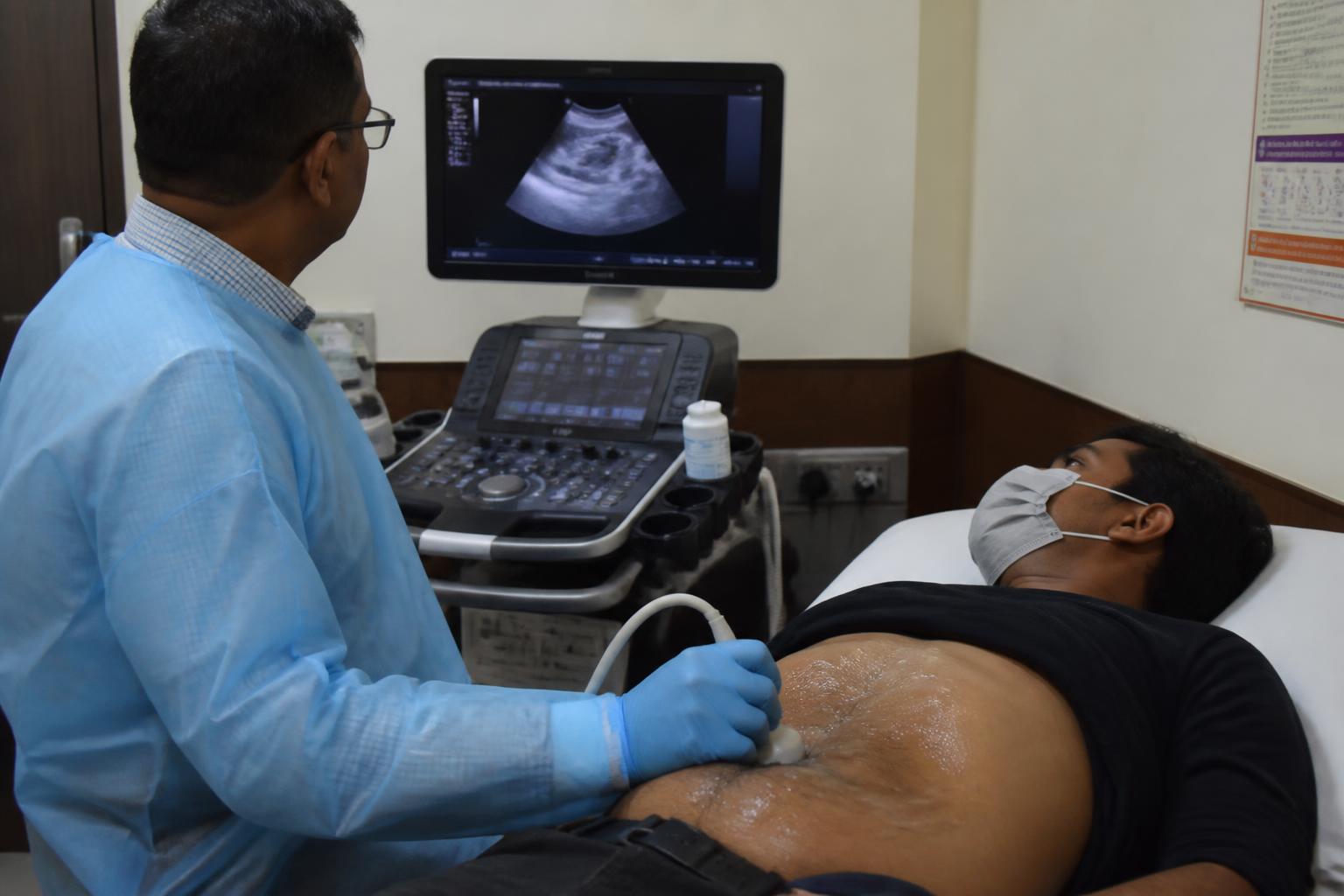
A simple blood test (HBs antigen detection) is sufficient for screening. Liver function tests, liver ultrasound, and sometimes FibroScan assess liver condition. Screening is recommended for at-risk individuals: healthcare professionals, partners of carriers, travelers to endemic areas.
Treatment and vaccination
Antivirals (tenofovir, entotecavir) control viral replication and slow disease progression. Vaccination, over 95% effective, is the best means of prevention and is recommended for all infants from birth.
The words explained
Medical terms used above, in everyday language.
- Chronic
- A problem that lasts a long time, usually more than three months, and often comes back.
- Symptom
- A sign you can feel or see that something is wrong, like pain, tiredness or a rash.
- Diagnosis
- The moment a doctor identifies which illness is causing your symptoms.
- Prevention
- Steps taken before a problem starts, to make it less likely.
- Screening
- A check-up done before you feel ill, to catch a problem early.
- Vaccine
- A safe training session for your immune system, so it can fight a germ later.
When should you see a doctor?
- Your symptoms last more than a few weeks or keep coming back.
- They get worse quickly, or stop you doing everyday things.
- You notice sudden pain, breathing trouble, fainting or bleeding — seek urgent care.
- You already take medication and want to change anything about it.
This article explains general health information. It does not replace advice from your own doctor.
Frequently asked questions
- What is Hepatitis B: A Silent Infection Affecting 296 Million People?
- Chronic hepatitis B often progresses without symptoms for years before revealing serious liver damage. Screening is crucial.
- What are the main symptoms or signs of Hepatitis B: A Silent Infection Affecting 296 Million People?
- Common signs vary from person to person. The article above lists the symptoms to watch for, how they progress, and when they need medical attention.
- When should you see a doctor for Hepatitis B: A Silent Infection Affecting 296 Million People?
- See a doctor if symptoms last more than a few weeks, get worse quickly, stop you doing everyday things, or if you notice sudden pain, breathing trouble, fainting or bleeding.
Related health topics
Infectious Diseases
Seasonal Flu: Symptoms, Complications, and Prevention
Sudden fever, body aches, intense fatigue: seasonal flu is not a simple cold. Discover how to protect yourself effectively.

Infectious Diseases
STIs: Regular Screening, Your Best Protection
Chlamydia, gonorrhea, syphilis, HIV: sexually transmitted infections are on the rise. Regular screening is the key to a healthy sex life.

Cancer & Oncology
Breast Cancer: Early Detection Saves Lives
With 2.3 million new cases per year, breast cancer is the most diagnosed worldwide. Detected early, the 5-year survival rate exceeds 90%.

Cancer & Oncology
Colorectal Cancer: Why Screening from Age 50 is Vital
Colon cancer develops slowly from benign polyps. Detected and removed in time, the majority of colorectal cancers can be prevented.
Infectious Diseases
Hepatitis C: cure now possible
Screening, short-term DAA treatment: eliminating hepatitis C virus has become a reality.

Conditions
Abdominal aortic aneurysm: the silent bulge
Who should be screened, why size decides treatment, and what repair involves.