
Hepatitis C: cure now possible
Direct-acting antivirals: >95% cure rate
Dr. Inès Bertin
Hepatologist
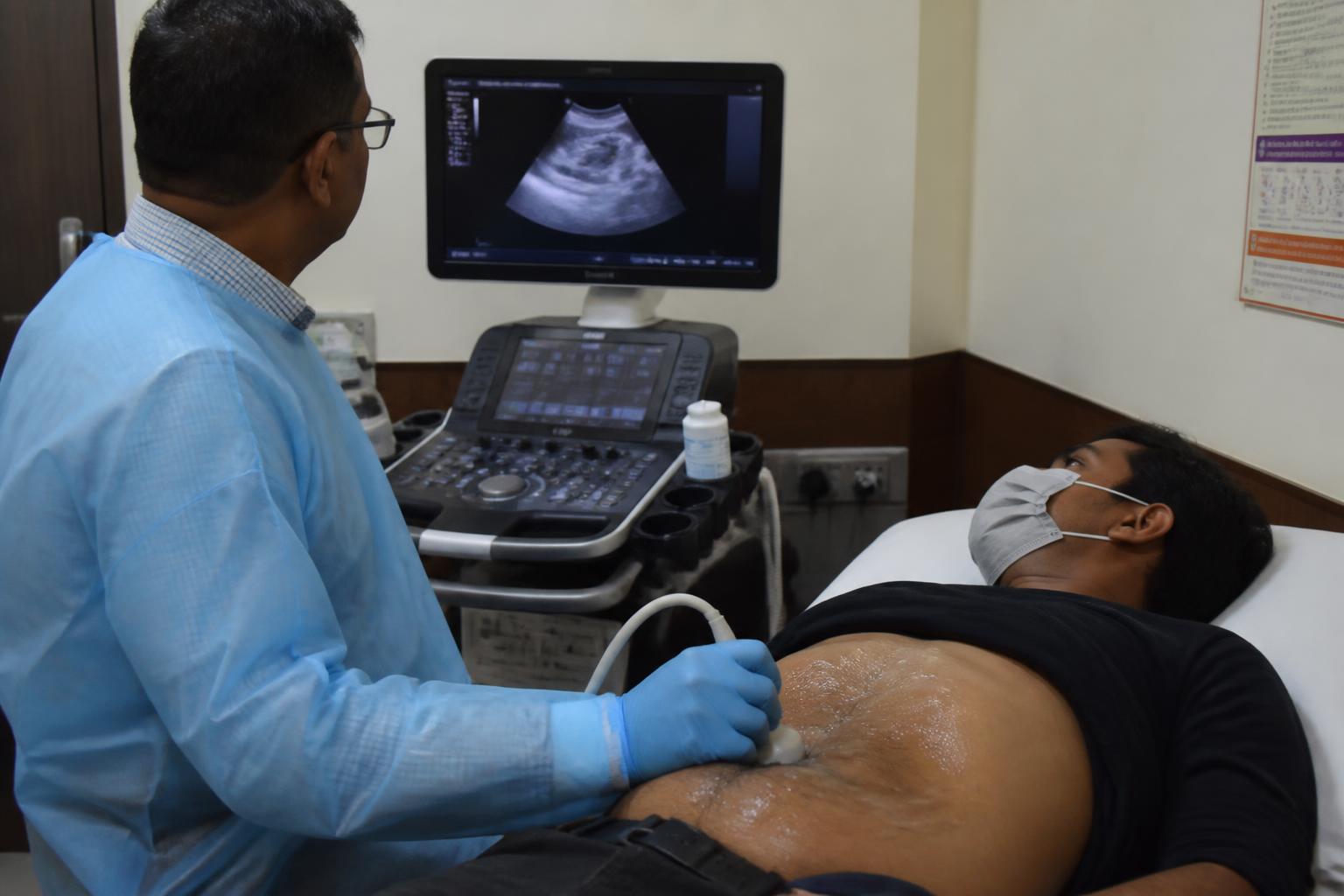
In simple terms
Screening, short-term DAA treatment: eliminating hepatitis C virus has become a reality.
A long silent virus
HCV often infects the liver asymptomatically, progressing to cirrhosis or liver cancer after 20-30 years. Transmission is mainly blood-borne (IV drug use, old transfusions, poorly sterilized equipment).
Expanded screening
health authorities recommends universal screening at least once in a lifetime for adults. Simple serological test (anti-HCV), confirmed by PCR.
Revolutionary treatment
Direct-acting antivirals (sofosbuvir/velpatasvir, glecaprevir/pibrentasvir) in 8 to 12 weeks cure more than 95% of patients, all genotypes combined, with very few side effects.
After cure
Liver monitoring if advanced fibrosis (persistent risk of hepatocellular carcinoma). No immunity: possible reinfection in case of new exposure.
The words explained
Medical terms used above, in everyday language.
- Immune system
- Your body's defence team: cells that fight germs and repair damage.
- Screening
- A check-up done before you feel ill, to catch a problem early.
When should you see a doctor?
- Your symptoms last more than a few weeks or keep coming back.
- They get worse quickly, or stop you doing everyday things.
- You notice sudden pain, breathing trouble, fainting or bleeding — seek urgent care.
- You already take medication and want to change anything about it.
This article explains general health information. It does not replace advice from your own doctor.
Frequently asked questions
- What is Hepatitis C: cure now possible?
- Screening, short-term DAA treatment: eliminating hepatitis C virus has become a reality.
- What are the main symptoms or signs of Hepatitis C: cure now possible?
- Common signs vary from person to person. The article above lists the symptoms to watch for, how they progress, and when they need medical attention.
- When should you see a doctor for Hepatitis C: cure now possible?
- See a doctor if symptoms last more than a few weeks, get worse quickly, stop you doing everyday things, or if you notice sudden pain, breathing trouble, fainting or bleeding.
Related health topics

Infectious Diseases
Hepatitis B: A Silent Infection Affecting 296 Million People
Chronic hepatitis B often progresses without symptoms for years before revealing serious liver damage. Screening is crucial.
Digestive Health
Cirrhosis: scarring of the liver explained
The causes that still dominate, the complications to watch, and what can be reversed.
Blood & Hematology
Haemochromatosis: too much iron in the body
Why iron accumulates, the organs it damages, and how venesection prevents all of it.
Conditions
Wilson disease: copper that the liver cannot remove
Liver and neurological signs, the diagnostic clues, and lifelong treatment.