Haemochromatosis: too much iron in the body
A common genetic condition that is easy to treat
Dr. Laura Mercier
Endocrinologist
In simple terms
Why iron accumulates, the organs it damages, and how venesection prevents all of it.
What it is, in plain words
Haemochromatosis is an inherited disorder in which the intestine absorbs more iron than the body needs. There is no efficient way to excrete iron, so it deposits over decades in the liver, pancreas, heart, joints and pituitary gland, damaging them. Treatment is simple and, if started early, life expectancy is normal.
Signs to look out for
- Persistent fatigue and joint pain, especially the second and third knuckles
- Bronze or grey skin pigmentation
- Abdominal pain and abnormal liver blood tests
- Diabetes appearing without typical risk factors
- Loss of libido, erectile dysfunction, irregular periods, heart rhythm problems
Why it happens
Most cases in people of Northern European descent are caused by two copies of the HFE C282Y variant. Symptoms appear later in women because menstruation removes iron, so diagnosis is often after menopause.
How doctors confirm it
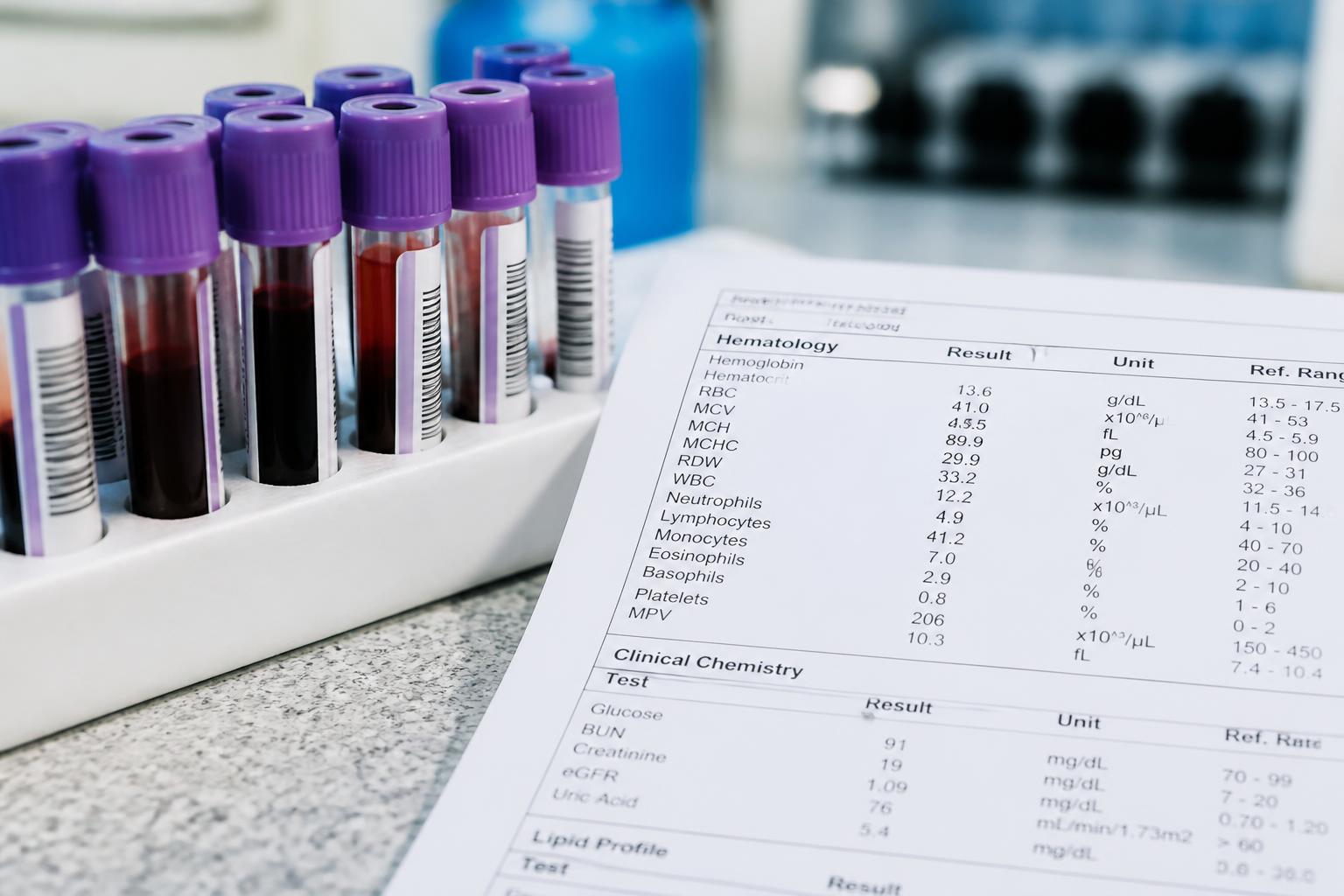
Transferrin saturation above 45% and a raised ferritin prompt genetic testing. MRI measures liver iron non-invasively, and liver biopsy or elastography assesses fibrosis when ferritin is very high.
Treatments and solutions
- Venesection: removing about 500 ml of blood weekly or fortnightly until ferritin falls to target, then maintenance a few times a year
- Iron chelation for the minority who cannot tolerate venesection
- Avoiding iron and vitamin C supplements and raw shellfish, and limiting alcohol strictly
- Screening first-degree relatives, since early treatment prevents all organ damage
- Monitoring for liver cancer in those who already have cirrhosis
Living with it day to day
Diet alone cannot control it, but simple habits help: tea with meals reduces absorption, and no iron-fortified supplements. Treatment does not reverse established cirrhosis or diabetes, which is why early diagnosis matters.
When to seek medical help
See a doctor for unexplained fatigue with joint pain and abnormal liver tests, or if a close relative has been diagnosed.
This article explains general health information in simple language. It does not replace advice from your own doctor.
The words explained
Medical terms used above, in everyday language.
- Symptom
- A sign you can feel or see that something is wrong, like pain, tiredness or a rash.
- Diagnosis
- The moment a doctor identifies which illness is causing your symptoms.
- Risk factor
- Something that makes an illness more likely, such as smoking or family history.
- Prevention
- Steps taken before a problem starts, to make it less likely.
- Screening
- A check-up done before you feel ill, to catch a problem early.
- Genetic
- Passed down in your family through your genes.
When should you see a doctor?
- Your symptoms last more than a few weeks or keep coming back.
- They get worse quickly, or stop you doing everyday things.
- You notice sudden pain, breathing trouble, fainting or bleeding — seek urgent care.
- You already take medication and want to change anything about it.
This article explains general health information. It does not replace advice from your own doctor.
Frequently asked questions
- What is Haemochromatosis: too much iron in the body?
- Why iron accumulates, the organs it damages, and how venesection prevents all of it.
- What are the main symptoms or signs of Haemochromatosis: too much iron in the body?
- Common signs vary from person to person. The article above lists the symptoms to watch for, how they progress, and when they need medical attention.
- When should you see a doctor for Haemochromatosis: too much iron in the body?
- See a doctor if symptoms last more than a few weeks, get worse quickly, stop you doing everyday things, or if you notice sudden pain, breathing trouble, fainting or bleeding.
Related health topics
Conditions
Wilson disease: copper that the liver cannot remove
Liver and neurological signs, the diagnostic clues, and lifelong treatment.

Infectious Diseases
Hepatitis B: A Silent Infection Affecting 296 Million People
Chronic hepatitis B often progresses without symptoms for years before revealing serious liver damage. Screening is crucial.
Blood & Hematology
Iron Deficiency Anemia: When Lack of Iron Exhausts the Body
Fatigue, shortness of breath, pallor, brittle hair: iron deficiency anemia affects 30% of the world's population, especially women and children.
Infectious Diseases
Hepatitis C: cure now possible
Screening, short-term DAA treatment: eliminating hepatitis C virus has become a reality.
Blood & Hematology
Iron deficiency: the most common cause of unexplained fatigue
Why treating low iron means finding out why it is low.
Blood & Hematology
Thalassaemia: an inherited anaemia explained simply
Why thalassaemia causes lifelong anaemia, how minor and major forms differ, and what treatment involves.