
Thalassaemia: an inherited anaemia explained simply
A problem with making haemoglobin, not with iron
Dr. Camille Roux
Internal medicine physician
In simple terms
Why thalassaemia causes lifelong anaemia, how minor and major forms differ, and what treatment involves.
What it is, in plain words
Thalassaemia is an inherited condition in which the body makes too little of one of the protein chains that build haemoglobin, the substance in red blood cells that carries oxygen. The cells produced are small, pale and fragile, so they break down early and oxygen delivery drops. It is not caused by a poor diet, and taking iron does not correct it.
Signs to look out for
- Constant tiredness and breathlessness on effort
- Pale or slightly yellow skin and eyes
- Poor growth and delayed puberty in children with severe forms
- Enlarged spleen causing a full or heavy feeling on the left side
- Bone changes of the face and skull in untreated severe forms
Why it happens
You inherit it: each parent passes one altered gene. One altered gene gives thalassaemia minor (trait), usually mild or silent. Two altered genes can give intermedia or major forms, which appear in the first two years of life. It is most common in families with Mediterranean, Middle Eastern, African, Indian or South-East Asian origins.
How doctors confirm it
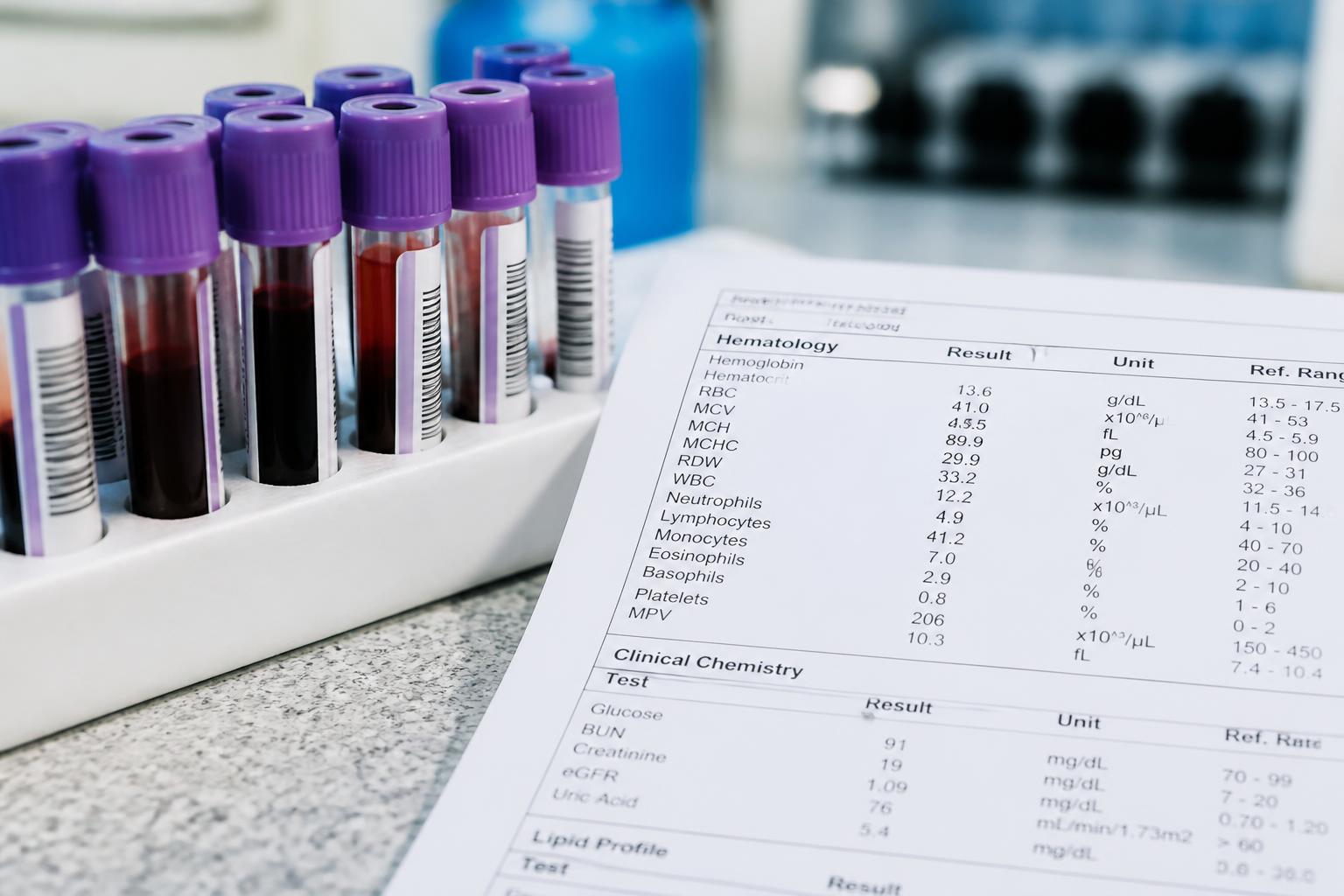
A full blood count shows small red cells with a normal or high ferritin, which already separates it from iron deficiency. Haemoglobin electrophoresis or HPLC identifies the abnormal haemoglobin pattern, and genetic testing confirms the exact type. Family and pre-conception screening is offered when both partners carry a trait.
Treatments and solutions
- Thalassaemia minor: no treatment, just avoid unnecessary iron supplements and confirm the diagnosis so you are not treated for iron deficiency for years
- Regular blood transfusions for major forms, usually every three to five weeks, to keep haemoglobin high enough for normal growth
- Iron chelation medicines to remove the iron that transfusions unavoidably build up, because iron overload damages the heart, liver and hormone glands
- Folic acid supplements to support red cell production
- Removal of the spleen in selected cases, and stem cell transplant, which can cure severe disease in suitable young patients
Living with it day to day
Live with a written care plan: keep transfusion and chelation appointments, have yearly heart and liver iron scans, protect yourself against infections with the recommended vaccines, and ask for genetic counselling before planning a pregnancy.
When to seek medical help
See a doctor quickly for a fever above 38 C if your spleen has been removed, for sudden severe tiredness or breathlessness, or for pain and swelling in the abdomen.
This article explains general health information in simple language. It does not replace advice from your own doctor.
The words explained
Medical terms used above, in everyday language.
- Diagnosis
- The moment a doctor identifies which illness is causing your symptoms.
- Hormone
- A chemical messenger made by your body that tells organs what to do.
- Screening
- A check-up done before you feel ill, to catch a problem early.
- Genetic
- Passed down in your family through your genes.
- Vaccine
- A safe training session for your immune system, so it can fight a germ later.
When should you see a doctor?
- Your symptoms last more than a few weeks or keep coming back.
- They get worse quickly, or stop you doing everyday things.
- You notice sudden pain, breathing trouble, fainting or bleeding — seek urgent care.
- You already take medication and want to change anything about it.
This article explains general health information. It does not replace advice from your own doctor.
Frequently asked questions
- What is Thalassaemia: an inherited anaemia explained simply?
- Why thalassaemia causes lifelong anaemia, how minor and major forms differ, and what treatment involves.
- What are the main symptoms or signs of Thalassaemia: an inherited anaemia explained simply?
- Common signs vary from person to person. The article above lists the symptoms to watch for, how they progress, and when they need medical attention.
- When should you see a doctor for Thalassaemia: an inherited anaemia explained simply?
- See a doctor if symptoms last more than a few weeks, get worse quickly, stop you doing everyday things, or if you notice sudden pain, breathing trouble, fainting or bleeding.
Related health topics
Blood & Hematology
G6PD deficiency: when certain foods and drugs destroy red cells
Which triggers to avoid, how a haemolytic crisis presents, and why the condition is otherwise silent.
Blood & Hematology
Iron deficiency: the most common cause of unexplained fatigue
Why treating low iron means finding out why it is low.
Blood & Hematology
Haemophilia: when blood does not clot properly
What causes haemophilia A and B, why joints are the main target, and how prophylaxis prevents damage.
Blood & Hematology
Vitamin B12 deficiency: fatigue with a neurological warning
Why deficiency develops silently, who is at risk, and why treatment must not be delayed.
Blood & Hematology
Haemochromatosis: too much iron in the body
Why iron accumulates, the organs it damages, and how venesection prevents all of it.
Conditions
Wilson disease: copper that the liver cannot remove
Liver and neurological signs, the diagnostic clues, and lifelong treatment.