
G6PD deficiency: when certain foods and drugs destroy red cells
An enzyme that protects blood cells from stress
Dr. Camille Roux
Internal medicine physician
In simple terms
Which triggers to avoid, how a haemolytic crisis presents, and why the condition is otherwise silent.
What it is, in plain words
Glucose-6-phosphate dehydrogenase is an enzyme that protects red blood cells from oxidative damage. When it is deficient, exposure to certain drugs, infections or fava beans overwhelms the cell's defences and large numbers of red cells burst at once. Between such episodes, people are completely healthy.
Signs to look out for
- Sudden pallor, extreme fatigue and rapid heartbeat, hours to days after a trigger
- Dark brown or cola-coloured urine
- Yellow eyes and skin
- Back or abdominal pain and fever
- Prolonged jaundice in newborns, which is why some countries screen at birth
Why it happens
It is X-linked, so it mainly affects men, and is common in people of African, Mediterranean, Middle Eastern and South-East Asian ancestry. Being a carrier is thought to give some protection against malaria.
How doctors confirm it
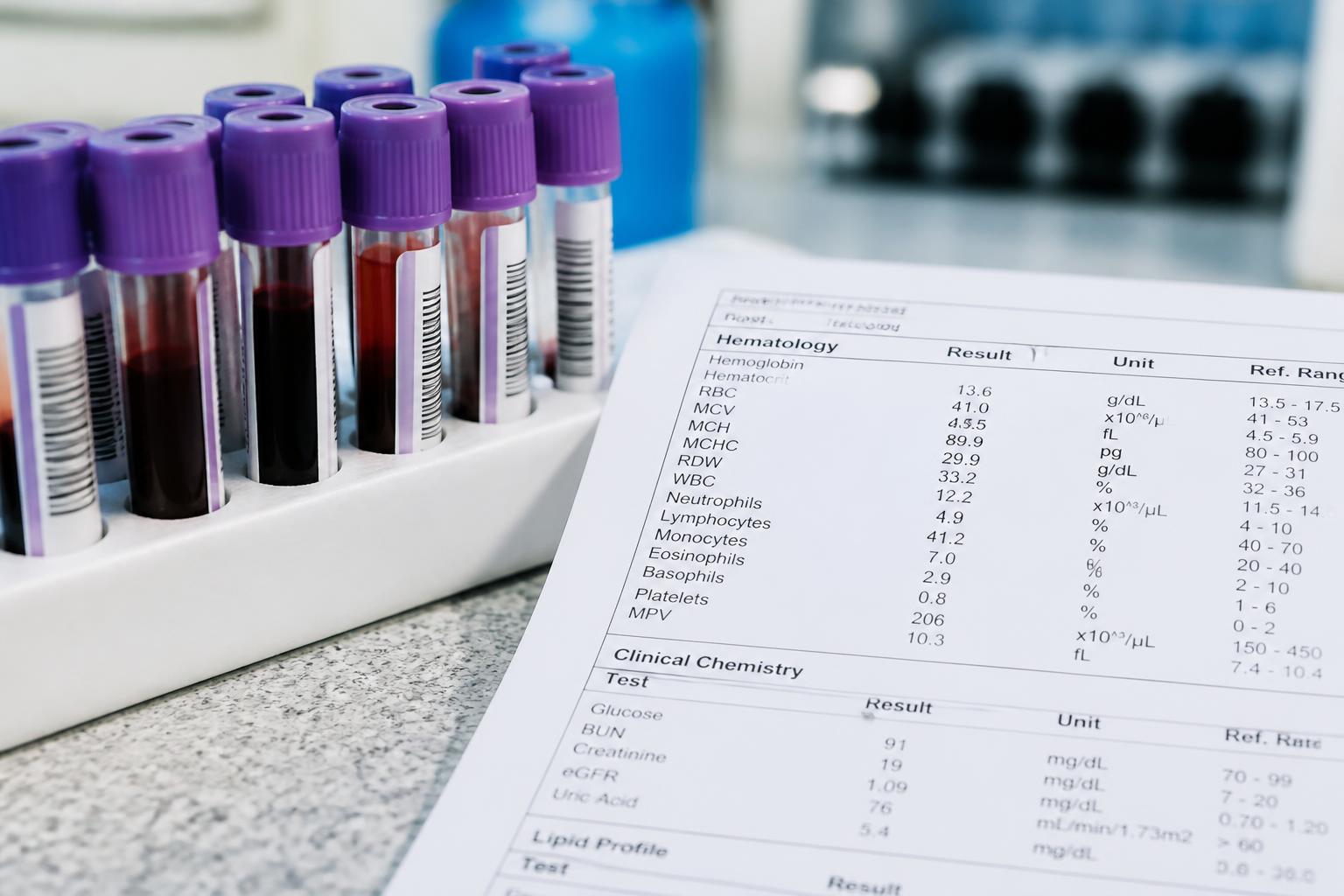
Measuring G6PD enzyme activity confirms the diagnosis, but the test should be repeated a few weeks after a crisis, since young replacement red cells can give a falsely normal level.
Treatments and solutions
- Avoiding the known triggers: fava beans, naphthalene mothballs, henna, and drugs including primaquine, dapsone, nitrofurantoin, some sulphonamides and high-dose vitamin C
- Treating infections promptly, since infection is itself a common trigger
- Supportive care during a crisis, with hydration and, if the anaemia is severe, blood transfusion
- Phototherapy or exchange transfusion for severe newborn jaundice
- Carrying a card listing the medicines to avoid, and telling every prescriber
Living with it day to day
Check any new medicine, including those bought without prescription and herbal products, with a pharmacist. Most people never have a crisis if triggers are avoided.
When to seek medical help
Seek urgent care for dark urine with pallor and breathlessness, or for jaundice appearing suddenly.
This article explains general health information in simple language. It does not replace advice from your own doctor.
The words explained
Medical terms used above, in everyday language.
- Diagnosis
- The moment a doctor identifies which illness is causing your symptoms.
- Blood sugar
- The amount of sugar circulating in your blood, your body's main fuel.
When should you see a doctor?
- Your symptoms last more than a few weeks or keep coming back.
- They get worse quickly, or stop you doing everyday things.
- You notice sudden pain, breathing trouble, fainting or bleeding — seek urgent care.
- You already take medication and want to change anything about it.
This article explains general health information. It does not replace advice from your own doctor.
Frequently asked questions
- What is G6PD deficiency: when certain foods and drugs destroy red cells?
- Which triggers to avoid, how a haemolytic crisis presents, and why the condition is otherwise silent.
- What are the main symptoms or signs of G6PD deficiency: when certain foods and drugs destroy red cells?
- Common signs vary from person to person. The article above lists the symptoms to watch for, how they progress, and when they need medical attention.
- When should you see a doctor for G6PD deficiency: when certain foods and drugs destroy red cells?
- See a doctor if symptoms last more than a few weeks, get worse quickly, stop you doing everyday things, or if you notice sudden pain, breathing trouble, fainting or bleeding.
Related health topics
Blood & Hematology
Thalassaemia: an inherited anaemia explained simply
Why thalassaemia causes lifelong anaemia, how minor and major forms differ, and what treatment involves.
Blood & Hematology
Iron deficiency: the most common cause of unexplained fatigue
Why treating low iron means finding out why it is low.
Blood & Hematology
Haemophilia: when blood does not clot properly
What causes haemophilia A and B, why joints are the main target, and how prophylaxis prevents damage.
Blood & Hematology
Vitamin B12 deficiency: fatigue with a neurological warning
Why deficiency develops silently, who is at risk, and why treatment must not be delayed.
Blood & Hematology
Haemochromatosis: too much iron in the body
Why iron accumulates, the organs it damages, and how venesection prevents all of it.
Conditions
Wilson disease: copper that the liver cannot remove
Liver and neurological signs, the diagnostic clues, and lifelong treatment.