Iron Deficiency Anemia: When Lack of Iron Exhausts the Body
The most frequent nutritional deficiency worldwide
Dr. Émilie Fournier
Hematologist
In simple terms
Fatigue, shortness of breath, pallor, brittle hair: iron deficiency anemia affects 30% of the world's population, especially women and children.
The essential role of iron
Iron is essential for the production of hemoglobin, the protein in red blood cells that transports oxygen throughout the body. Iron deficiency anemia occurs when iron stores are depleted, reducing red blood cell production. health authorities estimates that 30% of the world's population is anemic, mainly due to iron deficiency.
At-risk populations
Women of childbearing age (heavy menstruation), pregnant women, infants and young children, growing adolescents, vegetarians/vegans, and people with inflammatory or digestive diseases (celiac disease, Crohn's) are most at risk.
Symptoms
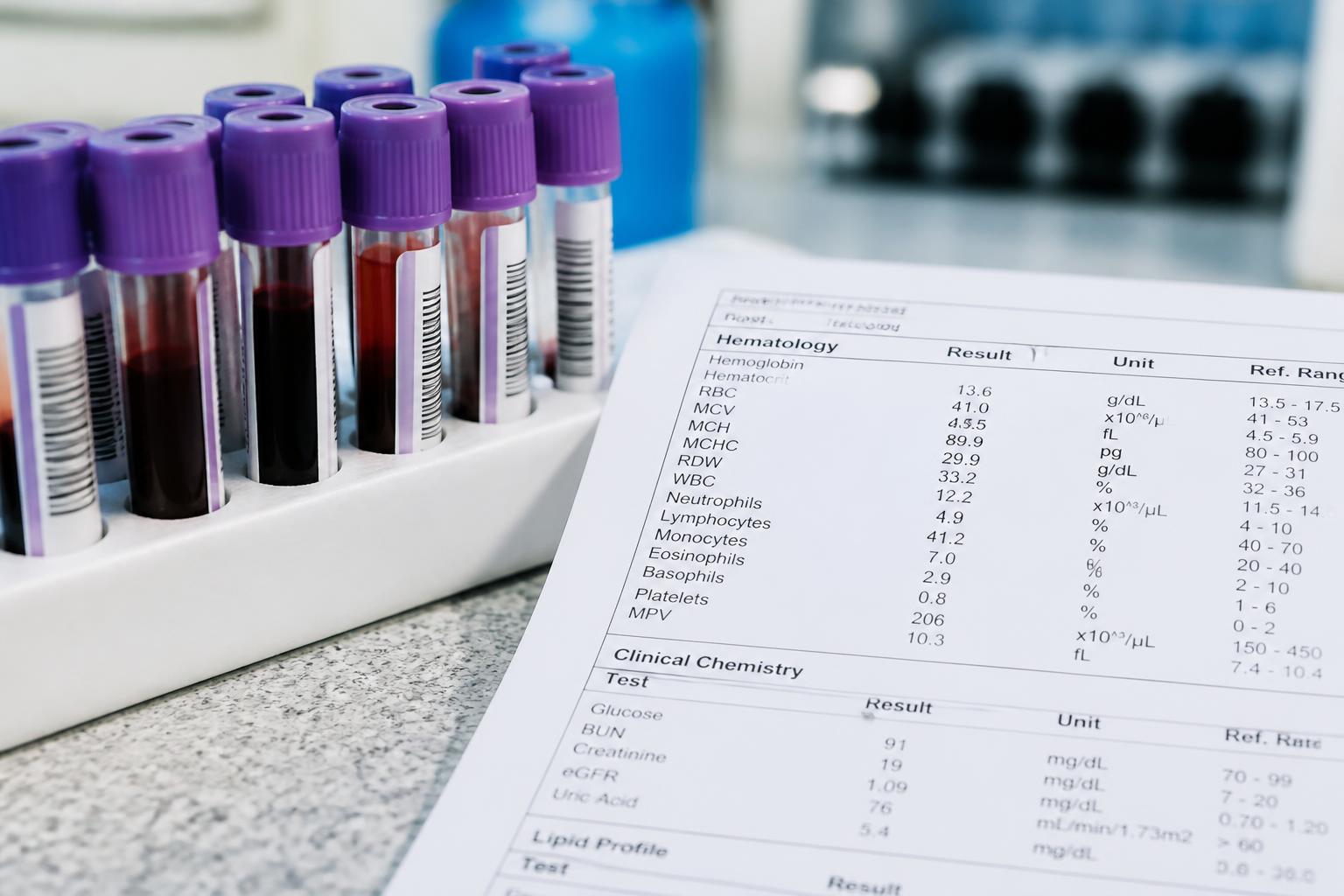
Intense fatigue, shortness of breath on exertion, pallor of skin and mucous membranes, dizziness, headaches, palpitations, brittle hair and nails, restless legs syndrome, unusual cravings (pica: craving for ice, dirt). Diagnosis is based on CBC (low hemoglobin) and low serum ferritin.
Treatment
Oral iron supplementation (ferrous sulfate, ferrous fumarate) for 3 to 6 months replenishes stores. Vitamin C improves absorption. Intravenous iron is necessary in case of digestive intolerance or malabsorption. Above all, the cause must be identified and treated: gynecological bleeding, peptic ulcer, celiac disease.
The words explained
Medical terms used above, in everyday language.
- Inflammation
- The body's reaction to injury or irritation: redness, swelling, heat or pain.
- Symptom
- A sign you can feel or see that something is wrong, like pain, tiredness or a rash.
- Diagnosis
- The moment a doctor identifies which illness is causing your symptoms.
When should you see a doctor?
- Your symptoms last more than a few weeks or keep coming back.
- They get worse quickly, or stop you doing everyday things.
- You notice sudden pain, breathing trouble, fainting or bleeding — seek urgent care.
- You already take medication and want to change anything about it.
This article explains general health information. It does not replace advice from your own doctor.
Frequently asked questions
- What is Iron Deficiency Anemia: When Lack of Iron Exhausts the Body?
- Fatigue, shortness of breath, pallor, brittle hair: iron deficiency anemia affects 30% of the world's population, especially women and children.
- What are the main symptoms or signs of Iron Deficiency Anemia: When Lack of Iron Exhausts the Body?
- Common signs vary from person to person. The article above lists the symptoms to watch for, how they progress, and when they need medical attention.
- When should you see a doctor for Iron Deficiency Anemia: When Lack of Iron Exhausts the Body?
- See a doctor if symptoms last more than a few weeks, get worse quickly, stop you doing everyday things, or if you notice sudden pain, breathing trouble, fainting or bleeding.
Related health topics
Blood & Hematology
Iron deficiency: the most common cause of unexplained fatigue
Why treating low iron means finding out why it is low.

Infectious Diseases
Long COVID: When Symptoms Persist Months After Infection
Debilitating fatigue, brain fog, shortness of breath: long COVID affects the quality of life of millions of people. What do we know today?
Bones, Joints & Muscles
Fibromyalgia: Living with Chronic Widespread Pain
Muscle pain, intense fatigue, sleep disturbances: a multidisciplinary approach to regain control.
Blood & Hematology
Sickle cell disease: the world's leading genetic disease
Hydroxyurea, transfusions, gene therapy: advances against sickle cell disease.
Infectious Diseases
Long COVID: recognizing and supporting
Fatigue, brain fog, dyspnea: understanding and supporting long COVID.

Sleep
Napping well: length, timing and traps
Twenty minutes restores alertness; ninety minutes suits shift workers.