
Cirrhosis: scarring of the liver explained
Damage that is slow, silent, then sudden
Dr. Marc Delaunay
Gastroenterologist
In simple terms
The causes that still dominate, the complications to watch, and what can be reversed.
What it is, in plain words
Cirrhosis is the end result of years of liver injury. Repeated inflammation replaces working liver cells with scar tissue, which both reduces liver function and blocks blood flowing through the organ. That back-pressure, called portal hypertension, causes most of the visible complications.
Signs to look out for
- No symptoms at all for years, the compensated stage
- Fatigue, poor appetite and weight loss
- Yellow eyes and skin, itching, easy bruising
- Swollen abdomen from fluid, and swollen legs
- Confusion, drowsiness and reversed sleep pattern from toxins reaching the brain
Why it happens
The leading causes are chronic alcohol use, fatty liver disease linked to obesity and diabetes, and chronic hepatitis B or C. Less common ones include autoimmune hepatitis, haemochromatosis, Wilson disease and bile duct diseases.
How doctors confirm it
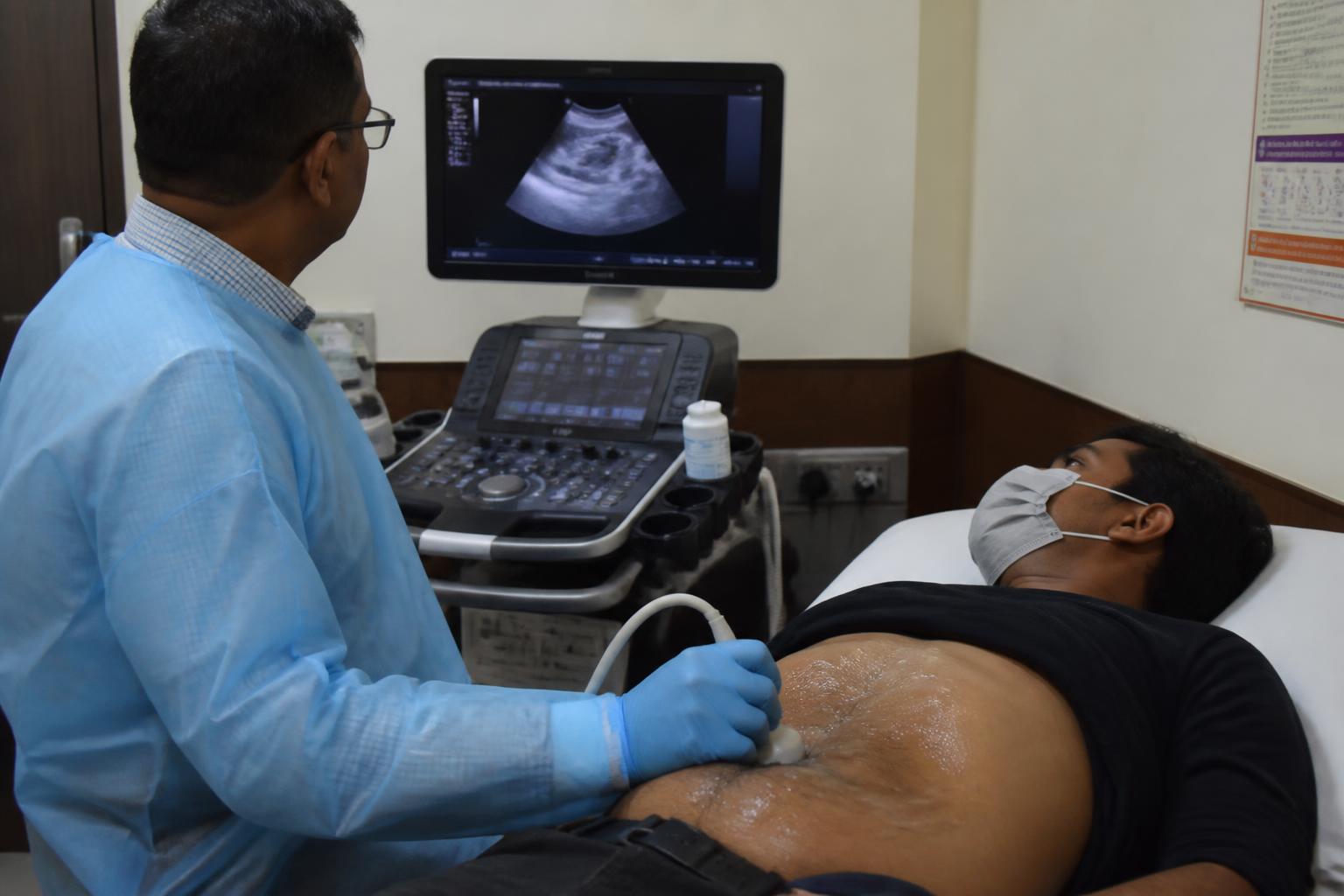
Blood tests show falling albumin and platelets and rising bilirubin and INR. Elastography measures liver stiffness without a needle. Ultrasound, and sometimes biopsy, confirm the picture. Endoscopy looks for varices in the gullet, and six-monthly ultrasound screens for liver cancer.
Treatments and solutions
- Removing the cause: complete alcohol abstinence, antiviral cure of hepatitis C, suppression of hepatitis B, weight loss and diabetes control
- Beta-blockers or banding to prevent bleeding from oesophageal varices
- Salt restriction and diuretics for fluid retention, with drainage for tense ascites
- Lactulose and rifaximin to prevent confusion
- Liver transplantation, which is the definitive treatment for decompensated disease
Living with it day to day
Nutrition is underestimated: people with cirrhosis need plenty of protein and a late-evening snack. Avoid raw shellfish, be careful with paracetamol dose, and avoid anti-inflammatory painkillers entirely.
When to seek medical help
Go to hospital for vomiting blood or black stools, increasing confusion, fever with abdominal pain, or rapidly swelling abdomen.
This article explains general health information in simple language. It does not replace advice from your own doctor.
The words explained
Medical terms used above, in everyday language.
- Chronic
- A problem that lasts a long time, usually more than three months, and often comes back.
- Inflammation
- The body's reaction to injury or irritation: redness, swelling, heat or pain.
- Symptom
- A sign you can feel or see that something is wrong, like pain, tiredness or a rash.
- Blood pressure
- The force of blood pushing against your artery walls. Too high, over years, damages the heart and vessels.
- Prevention
- Steps taken before a problem starts, to make it less likely.
- Anti-inflammatory
- A medicine or food that calms swelling and pain.
When should you see a doctor?
- Your symptoms last more than a few weeks or keep coming back.
- They get worse quickly, or stop you doing everyday things.
- You notice sudden pain, breathing trouble, fainting or bleeding — seek urgent care.
- You already take medication and want to change anything about it.
This article explains general health information. It does not replace advice from your own doctor.
Frequently asked questions
- What is Cirrhosis: scarring of the liver explained?
- The causes that still dominate, the complications to watch, and what can be reversed.
- What are the main symptoms or signs of Cirrhosis: scarring of the liver explained?
- Common signs vary from person to person. The article above lists the symptoms to watch for, how they progress, and when they need medical attention.
- When should you see a doctor for Cirrhosis: scarring of the liver explained?
- See a doctor if symptoms last more than a few weeks, get worse quickly, stop you doing everyday things, or if you notice sudden pain, breathing trouble, fainting or bleeding.
Related health topics

Infectious Diseases
Hepatitis B: A Silent Infection Affecting 296 Million People
Chronic hepatitis B often progresses without symptoms for years before revealing serious liver damage. Screening is crucial.
Infectious Diseases
Hepatitis C: cure now possible
Screening, short-term DAA treatment: eliminating hepatitis C virus has become a reality.
Blood & Hematology
Haemochromatosis: too much iron in the body
Why iron accumulates, the organs it damages, and how venesection prevents all of it.
Conditions
Wilson disease: copper that the liver cannot remove
Liver and neurological signs, the diagnostic clues, and lifelong treatment.