Glaucoma: The Silent Thief of Sight
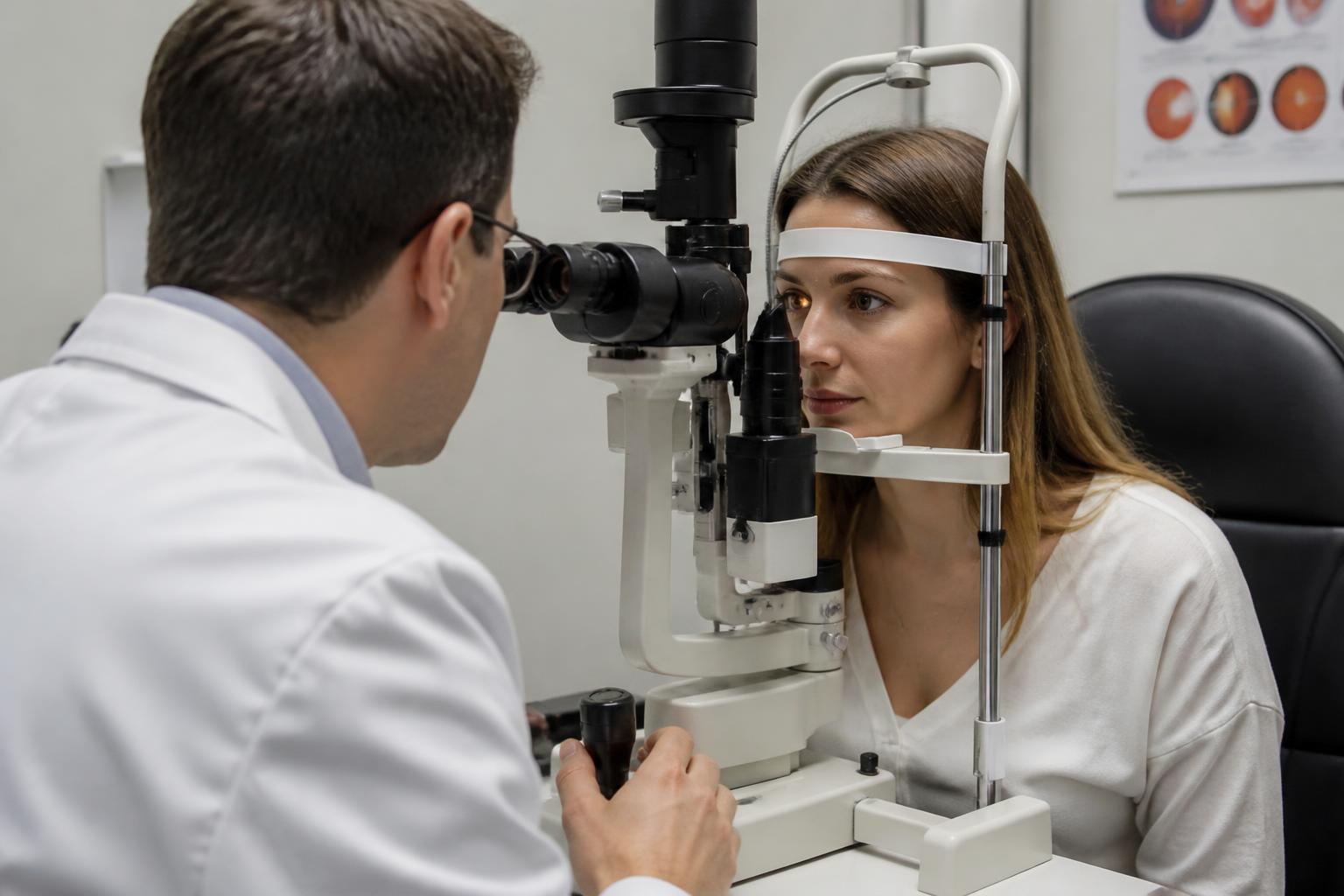
Glaucoma damages the optic nerve without symptoms until visual loss is irreversible.
Healthlife Editorial Team
Medical writers
In simple terms
Glaucoma damages the optic nerve without symptoms until visual loss is irreversible.
What you need to remember
- Treatment — Eye-drops (prostaglandin analogues), laser (SLT), or surgery to lower intraocular pressure.
Screening after 40, earlier with African descent, family history, or high myopia.
Treatment
Eye-drops (prostaglandin analogues), laser (SLT), or surgery to lower intraocular pressure.
Lost vision cannot be recovered; screening prevents blindness.
The words explained
Medical terms used above, in everyday language.
- Prevention
- Steps taken before a problem starts, to make it less likely.
- Screening
- A check-up done before you feel ill, to catch a problem early.
When should you see a doctor?
- Your symptoms last more than a few weeks or keep coming back.
- They get worse quickly, or stop you doing everyday things.
- You notice sudden pain, breathing trouble, fainting or bleeding — seek urgent care.
- You already take medication and want to change anything about it.
This article explains general health information. It does not replace advice from your own doctor.
Frequently asked questions
- What is Glaucoma: The Silent Thief of Sight?
- Glaucoma damages the optic nerve without symptoms until visual loss is irreversible.
- What are the main symptoms or signs of Glaucoma: The Silent Thief of Sight?
- Common signs vary from person to person. The article above lists the symptoms to watch for, how they progress, and when they need medical attention.
- When should you see a doctor for Glaucoma: The Silent Thief of Sight?
- See a doctor if symptoms last more than a few weeks, get worse quickly, stop you doing everyday things, or if you notice sudden pain, breathing trouble, fainting or bleeding.
Related health topics
Conditions
Age-Related Macular Degeneration
AMD is the leading cause of central vision loss after 60; treatments exist for the wet form.
Conditions
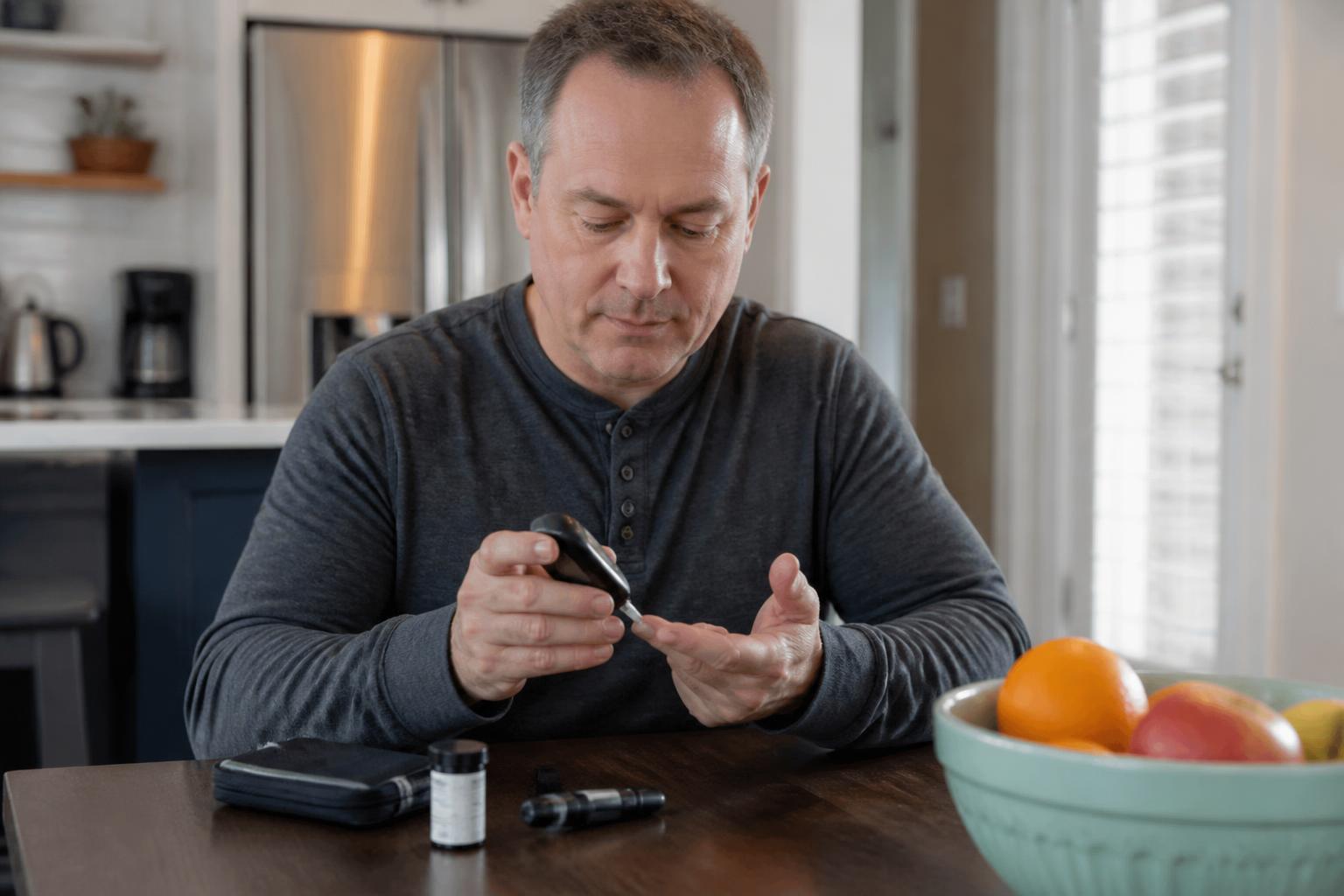
Type 2 Diabetes: 7 Actions to Reduce Your Risk by 58%
The DPP study showed: an active lifestyle and modest weight loss reduce the risk of type 2 diabetes by 58%, compared to 31% for metformin.

Conditions
Migraine: Much More Than Just a Headache
Migraine affects 12% of the adult population and remains the leading cause of disability among 15-49 year olds.

Conditions
Thyroid: Hypothyroidism and Hyperthyroidism Explained
Thyroid dysfunctions affect 10% of the population, with a female predominance. Symptoms, diagnosis, and treatments.

Conditions
Chronic Fatigue: A Symptom That Deserves a Workup
Fatigue is one of the most common reasons for medical consultation. A structured approach finds the cause in most cases.
Conditions
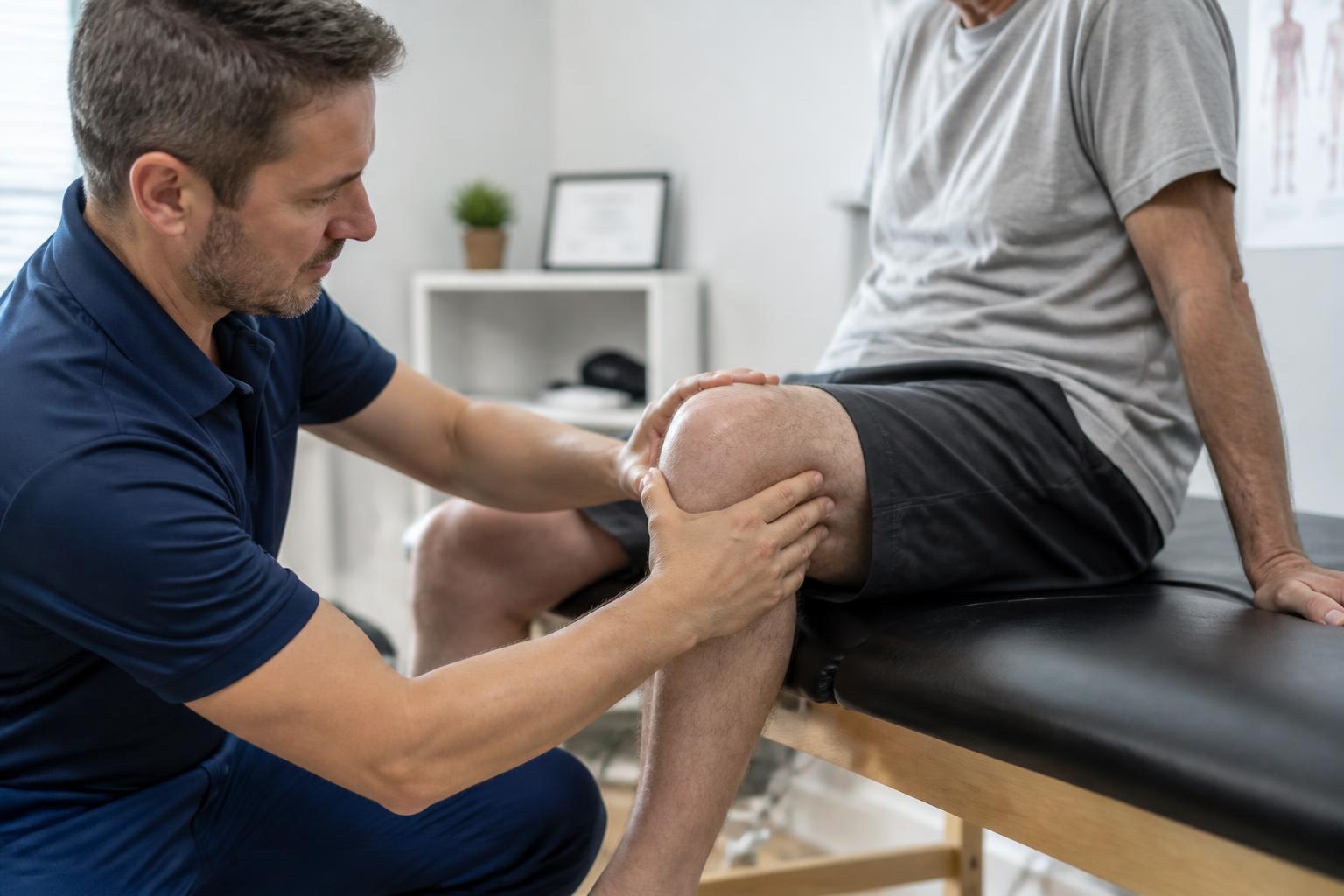
Osteoarthritis: Movement Is Medicine
Regular low-impact exercise, weight management, and physiotherapy remain first-line therapy.