
Osteoarthritis: Movement Is Medicine
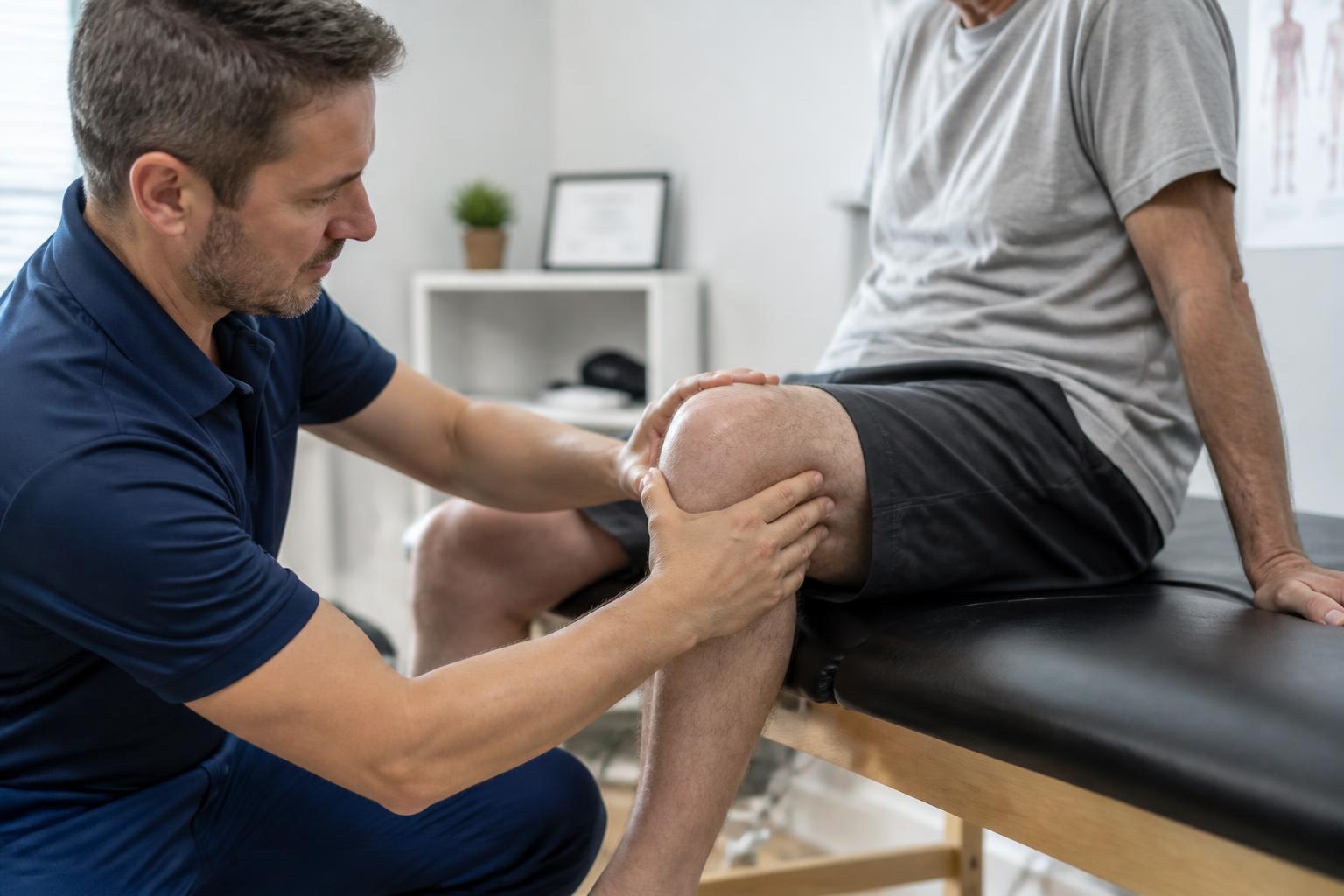
Regular low-impact exercise, weight management, and physiotherapy remain first-line therapy.
Healthlife Editorial Team
Medical writers
In simple terms
Regular low-impact exercise, weight management, and physiotherapy remain first-line therapy.
What you need to remember
- Non-drug care — Strengthening exercises, aerobic activity, weight loss (each kg lost = 4 kg less load on the knee).
- When to consider surgery — Persistent pain, functional loss, and joint destruction despite optimal conservative care.
Osteoarthritis is the leading cause of adult disability worldwide, most often affecting knees, hips, and hands.
Non-drug care
Strengthening exercises, aerobic activity, weight loss (each kg lost = 4 kg less load on the knee).
When to consider surgery
Persistent pain, functional loss, and joint destruction despite optimal conservative care.
Corticosteroid injections give short-term relief; hyaluronic acid remains debated.
When should you see a doctor?
- Your symptoms last more than a few weeks or keep coming back.
- They get worse quickly, or stop you doing everyday things.
- You notice sudden pain, breathing trouble, fainting or bleeding — seek urgent care.
- You already take medication and want to change anything about it.
This article explains general health information. It does not replace advice from your own doctor.
Frequently asked questions
- What is Osteoarthritis: Movement Is Medicine?
- Regular low-impact exercise, weight management, and physiotherapy remain first-line therapy.
- What are the main symptoms or signs of Osteoarthritis: Movement Is Medicine?
- Common signs vary from person to person. The article above lists the symptoms to watch for, how they progress, and when they need medical attention.
- When should you see a doctor for Osteoarthritis: Movement Is Medicine?
- See a doctor if symptoms last more than a few weeks, get worse quickly, stop you doing everyday things, or if you notice sudden pain, breathing trouble, fainting or bleeding.
Related health topics
Fitness
Osteoarthritis: Movement Is Medicine
Osteoarthritis is the most common joint disease, but the old advice to 'rest the joint' is wrong.
Allergies & Immunity
Rheumatoid Arthritis: Early Treatment Saves Joints
Rheumatoid arthritis is an autoimmune joint disease where rapid, intensive treatment dramatically alters long-term outcomes.
Bones, Joints & Muscles
Gout: Acute Crises and Long-Term Control
Gout is the most common inflammatory arthritis in men. Effective uric-acid-lowering therapy prevents recurrent attacks.