Raynaud's phenomenon: fingers that turn white in the cold
A brief spasm of small arteries
Dr. Camille Roux
Internal medicine physician

In simple terms
Primary versus secondary Raynaud's, the colour sequence, and how to prevent attacks.
What it is, in plain words
In Raynaud's phenomenon, the small arteries in the fingers and toes over-react to cold or stress and clamp shut. Blood flow stops, then returns. This produces the classic sequence of colours: white as flow stops, blue as the remaining blood loses oxygen, then red and painful as flow rushes back.
Signs to look out for
- Fingers turning sharply white with a clear border, then blue, then red
- Numbness, then throbbing and tingling on rewarming
- Attacks lasting minutes to under an hour, triggered by cold air, cold water, freezer aisles or emotion
- Toes, ears, nose and nipples can also be affected
- Ulcers or sores at the fingertips in secondary forms
Why it happens
Primary Raynaud's usually begins before age 30, affects both hands symmetrically and is harmless. Secondary Raynaud's starts later and points to an underlying disease such as scleroderma, lupus or Sjogren syndrome, or to vibrating tool use, certain medicines including beta-blockers, or smoking.
How doctors confirm it
Nailfold capillaroscopy examines the tiny vessels at the nail base, and antibody blood tests screen for connective tissue disease. Abnormal results move the diagnosis towards a secondary cause needing follow-up.
Treatments and solutions
- Keeping the whole body warm, not just the hands: hats, layers, thermal gloves, hand warmers, gloves for the freezer aisle
- Stopping smoking, which constricts vessels, and reviewing medicines that trigger attacks
- Rewarming gently in lukewarm water and swinging the arms, avoiding direct heat on numb skin
- Calcium channel blockers such as nifedipine for frequent or severe attacks
- Specialist treatments including sildenafil, prostacyclin infusions or botulinum injections for ulcers in secondary disease
Living with it day to day
Manage stress, since emotion alone can trigger attacks, and protect the skin: even small fingertip wounds heal slowly when circulation is impaired.
When to seek medical help
See a doctor if attacks start after 30, affect only one hand, cause fingertip ulcers, or come with joint pain, rash, dry eyes, reflux or tight skin.
This article explains general health information in simple language. It does not replace advice from your own doctor.
The words explained
Medical terms used above, in everyday language.
- Diagnosis
- The moment a doctor identifies which illness is causing your symptoms.
- Antibody
- A protein your body makes to recognise and neutralise a specific germ.
When should you see a doctor?
- Your symptoms last more than a few weeks or keep coming back.
- They get worse quickly, or stop you doing everyday things.
- You notice sudden pain, breathing trouble, fainting or bleeding — seek urgent care.
- You already take medication and want to change anything about it.
This article explains general health information. It does not replace advice from your own doctor.
Frequently asked questions
- What is Raynaud's phenomenon: fingers that turn white in the cold?
- Primary versus secondary Raynaud's, the colour sequence, and how to prevent attacks.
- What are the main symptoms or signs of Raynaud's phenomenon: fingers that turn white in the cold?
- Common signs vary from person to person. The article above lists the symptoms to watch for, how they progress, and when they need medical attention.
- When should you see a doctor for Raynaud's phenomenon: fingers that turn white in the cold?
- See a doctor if symptoms last more than a few weeks, get worse quickly, stop you doing everyday things, or if you notice sudden pain, breathing trouble, fainting or bleeding.
Related health topics

Conditions
Varicose veins and heavy legs: chronic venous insufficiency
Why leg veins bulge, which symptoms matter, and what really helps from stockings to modern procedures.
Conditions
Peripheral artery disease: leg pain when you walk
Why calf pain appears after a fixed distance, how it is measured, and why walking is the best medicine.
Conditions
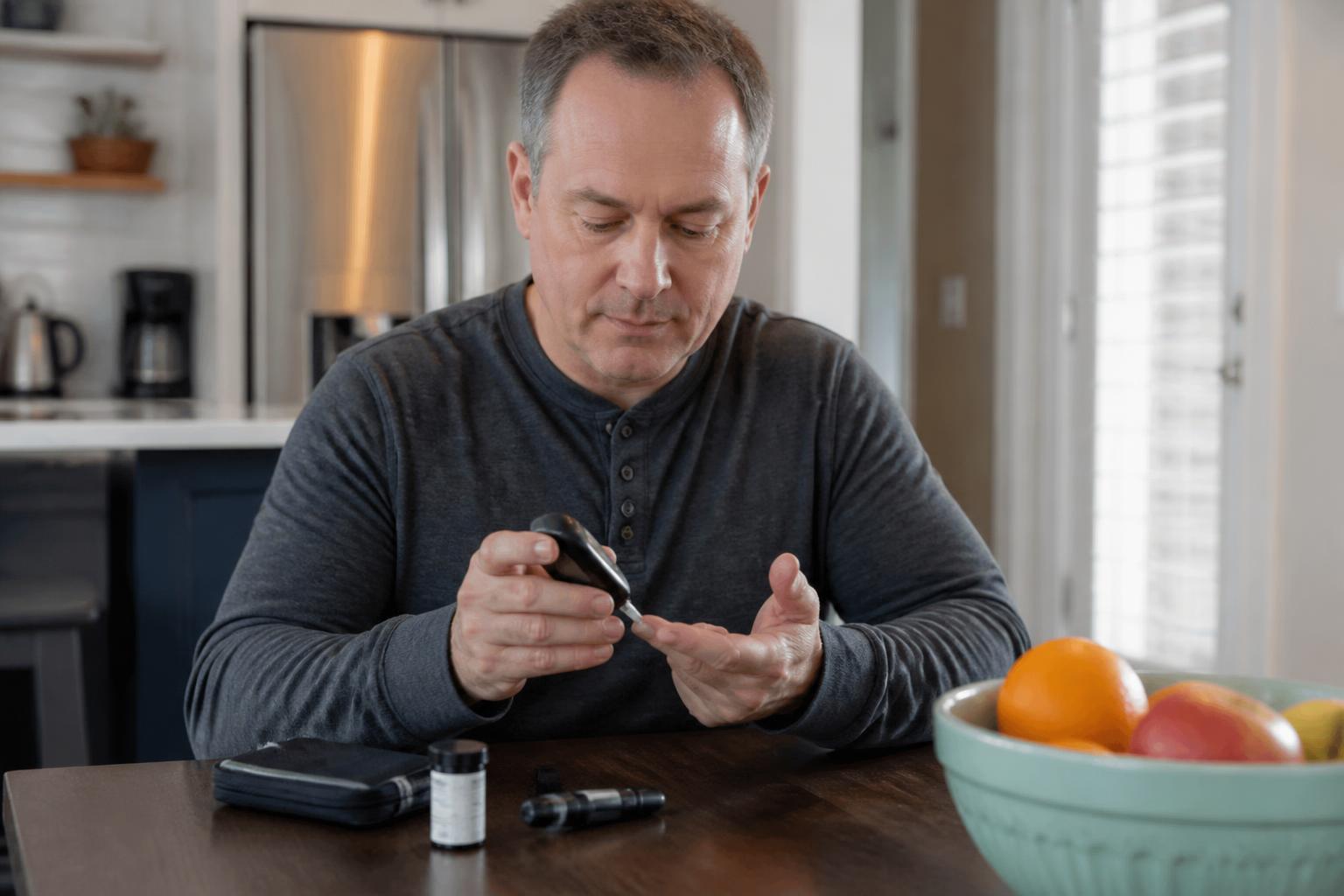
Type 2 Diabetes: 7 Actions to Reduce Your Risk by 58%
The DPP study showed: an active lifestyle and modest weight loss reduce the risk of type 2 diabetes by 58%, compared to 31% for metformin.

Conditions
Migraine: Much More Than Just a Headache
Migraine affects 12% of the adult population and remains the leading cause of disability among 15-49 year olds.
Conditions
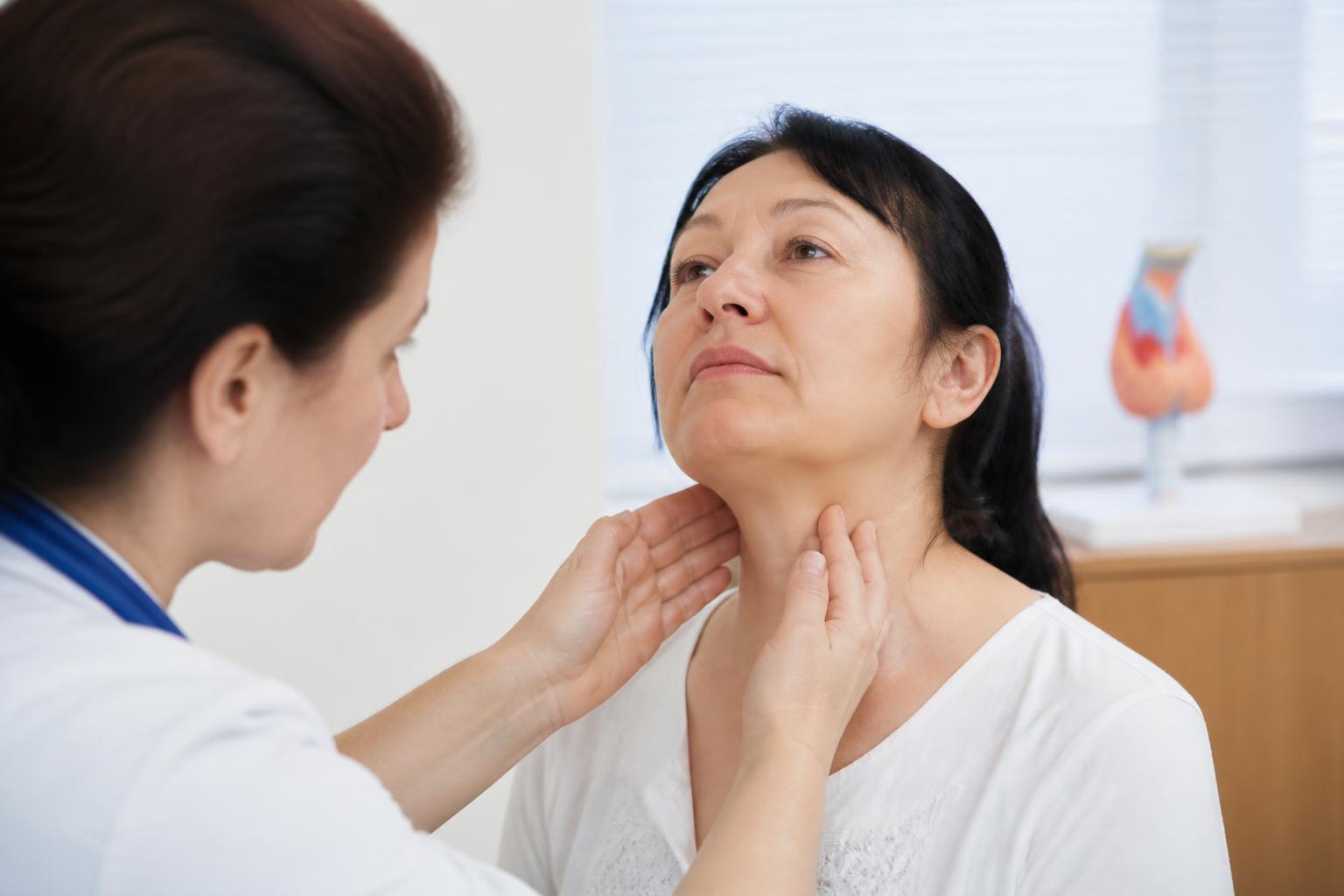
Thyroid: Hypothyroidism and Hyperthyroidism Explained
Thyroid dysfunctions affect 10% of the population, with a female predominance. Symptoms, diagnosis, and treatments.
Conditions
Chronic Fatigue: A Symptom That Deserves a Workup
Fatigue is one of the most common reasons for medical consultation. A structured approach finds the cause in most cases.