HIV: From Fatal Infection to Chronic Disease
Modern antiretroviral therapy allows near-normal life expectancy and prevents transmission.
Healthlife Editorial Team
Medical writers

In simple terms
Modern antiretroviral therapy allows near-normal life expectancy and prevents transmission.
What you need to remember
- Testing — At least one HIV test in adulthood; annually or more for higher-risk groups.
Undetectable viral load = untransmittable (U=U). PrEP protects at-risk HIV-negative people.
Testing
At least one HIV test in adulthood; annually or more for higher-risk groups.
Early treatment initiation improves outcomes and reduces community transmission.
When should you see a doctor?
- Your symptoms last more than a few weeks or keep coming back.
- They get worse quickly, or stop you doing everyday things.
- You notice sudden pain, breathing trouble, fainting or bleeding — seek urgent care.
- You already take medication and want to change anything about it.
This article explains general health information. It does not replace advice from your own doctor.
Frequently asked questions
- What is HIV: From Fatal Infection to Chronic Disease?
- Modern antiretroviral therapy allows near-normal life expectancy and prevents transmission.
- What are the main symptoms or signs of HIV: From Fatal Infection to Chronic Disease?
- Common signs vary from person to person. The article above lists the symptoms to watch for, how they progress, and when they need medical attention.
- When should you see a doctor for HIV: From Fatal Infection to Chronic Disease?
- See a doctor if symptoms last more than a few weeks, get worse quickly, stop you doing everyday things, or if you notice sudden pain, breathing trouble, fainting or bleeding.
Related health topics

Dermatology
Sunscreen: Separating Fact from Fiction
The sun is essential but dangerous in excess. An overview of evidence-based dermatological recommendations.

Cardiology
High Blood Pressure: The Silent Killer
Hypertension often causes no symptoms but significantly increases the risk of stroke and heart attack. How to detect and control it.
Cardiology
Cholesterol: Should We Really Demonize It?
Cholesterol is essential for life. But when LDL accumulates in the arteries, cardiovascular risk increases.

Cardiology
Stroke: Preventing the First Incident
High blood pressure, atrial fibrillation, smoking: risk factors are known and modifiable in the vast majority of cases.
Allergies & Immunity
Boosting Your Immune System: What Really Works
Sleep, exercise, varied diet: the pillars of solid immunity, validated by research.
Conditions
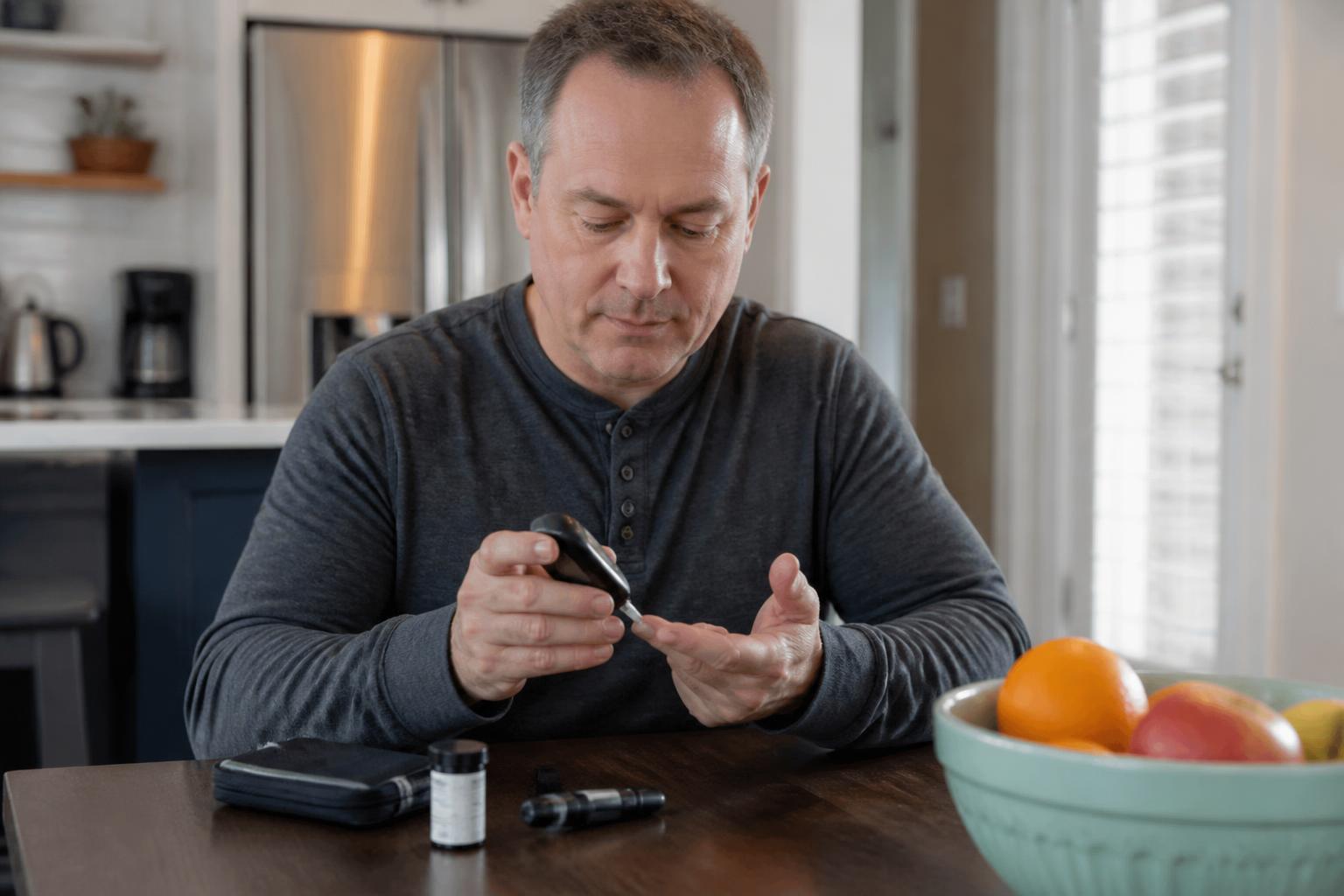
Type 2 Diabetes: 7 Actions to Reduce Your Risk by 58%
The DPP study showed: an active lifestyle and modest weight loss reduce the risk of type 2 diabetes by 58%, compared to 31% for metformin.